
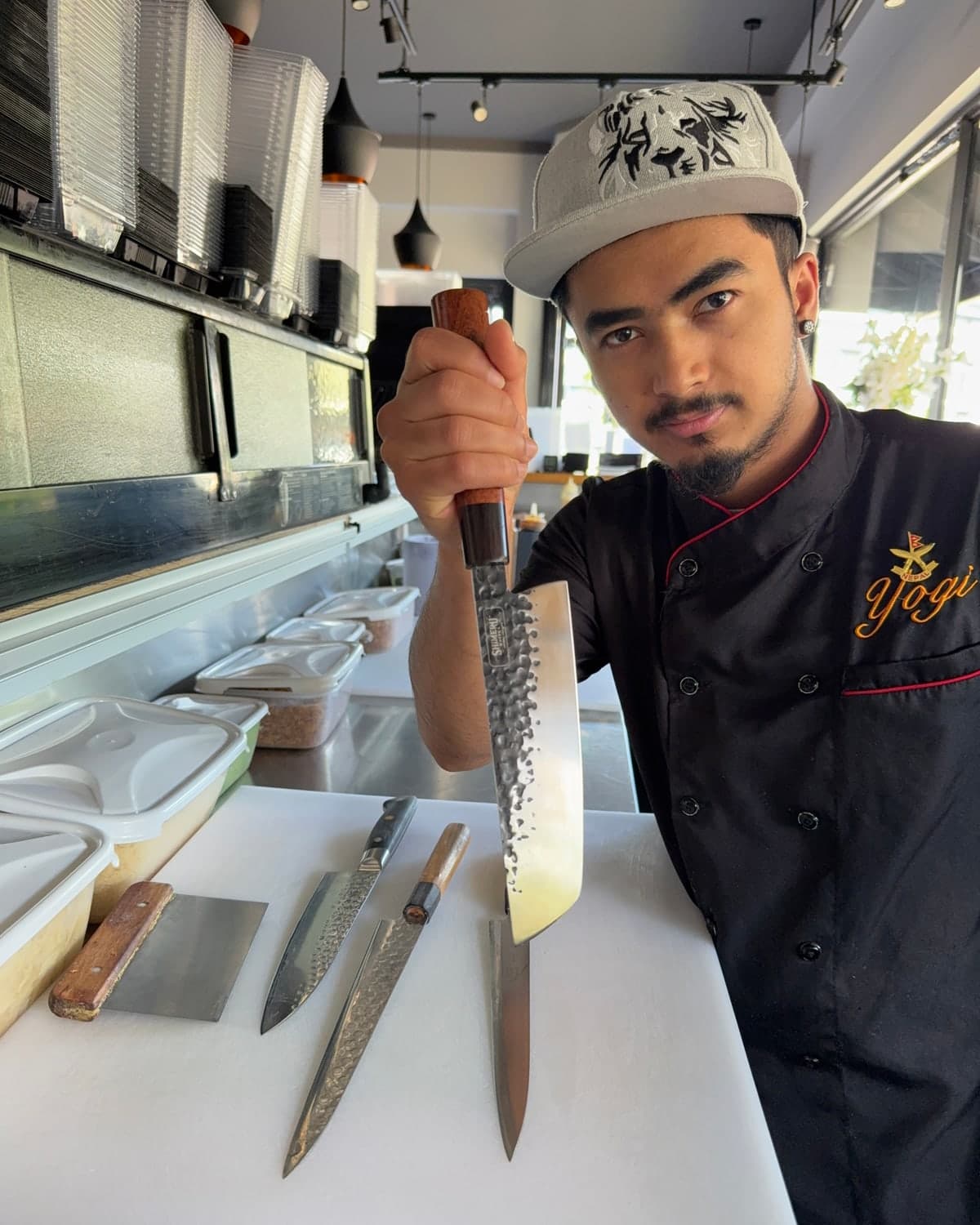
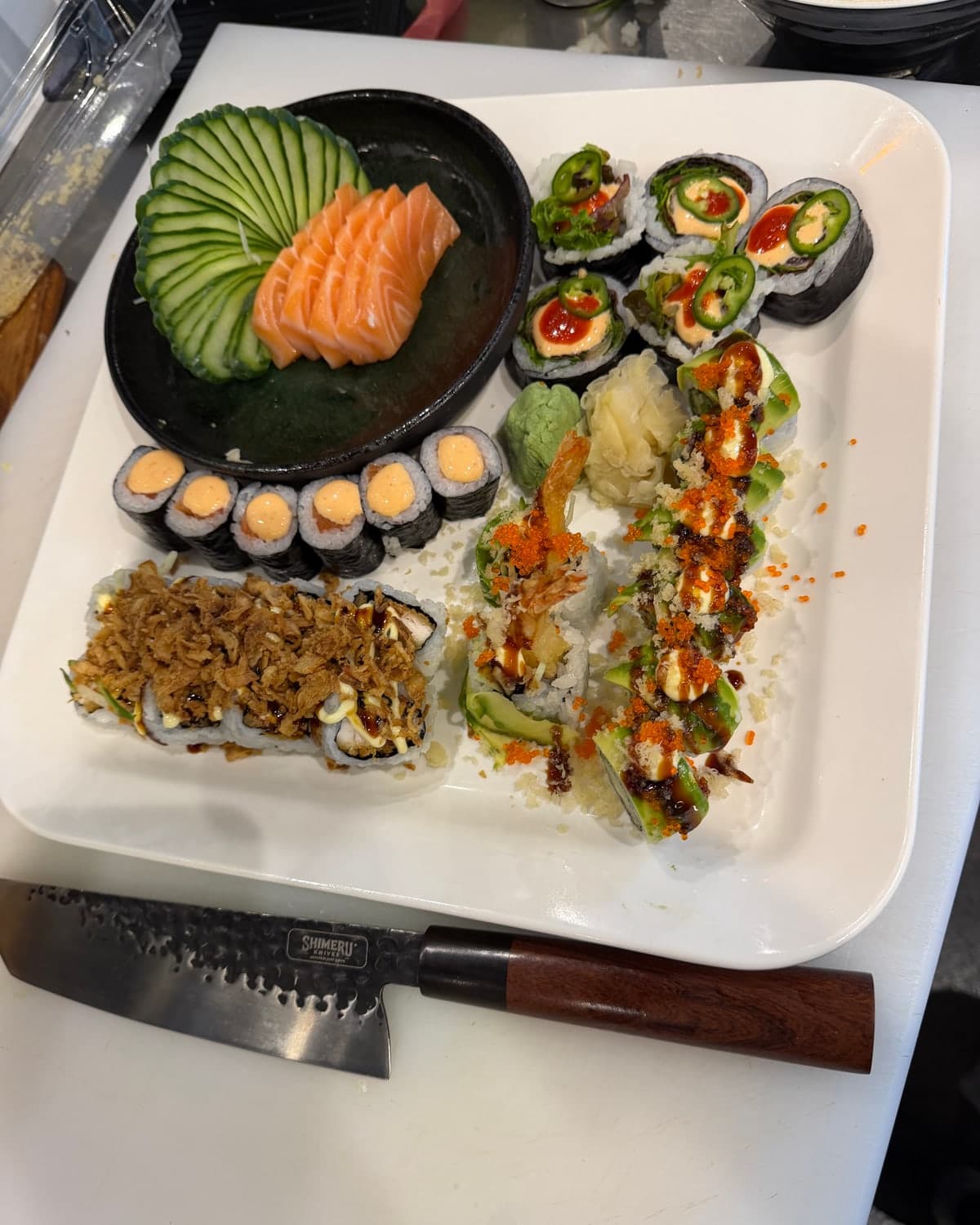
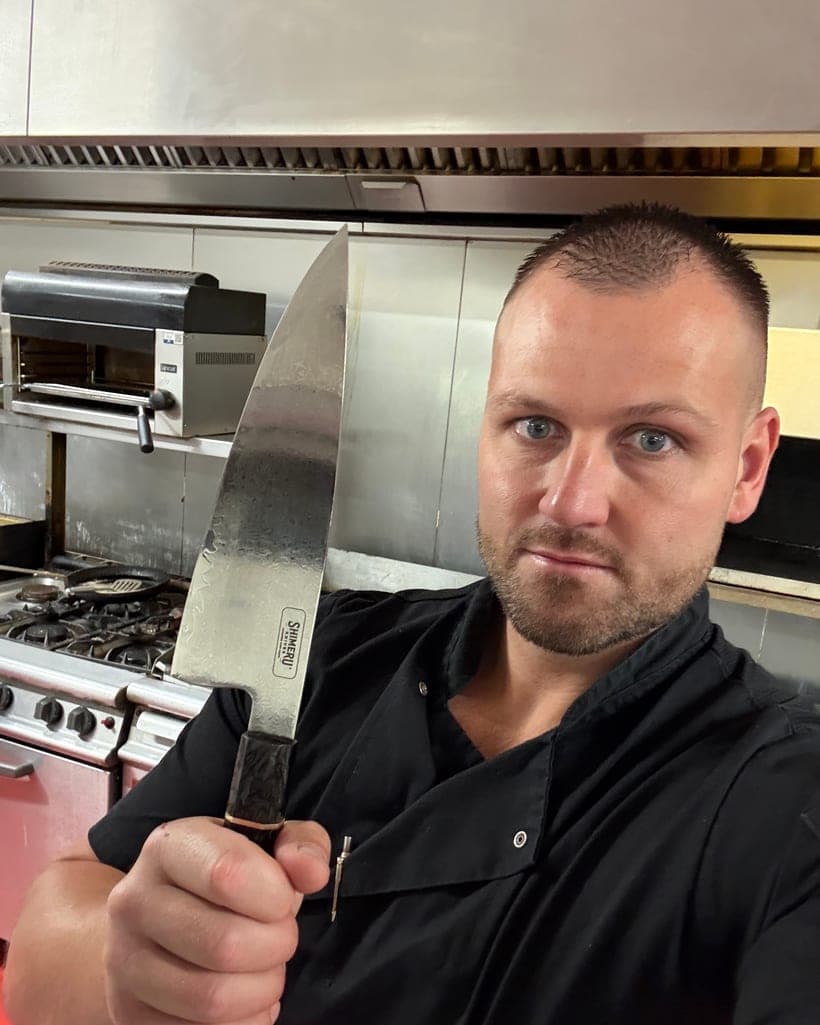

What Is a Japanese Chef's Knife?
A dull, heavy knife can make even simple prep feel like a chore. If you have ever pushed through an onion instead of slicing it cleanly, or crushed herbs instead of cutting them, you have already felt the difference that leads people to ask: what is a Japanese chef knife, and why does it matter so much in a home kitchen?
A Japanese chef knife is a kitchen knife designed with an emphasis on precision, sharper edge geometry, lighter handling, and refined craftsmanship. In practical terms, that usually means cleaner cuts, less resistance through food, and a blade that feels more agile in the hand than the average Western chef knife. It is not just about aesthetics, and it is not only for professional chefs. For home cooks, it is often the first upgrade that makes everyday prep noticeably more enjoyable.
What is a Japanese chef knife, really?
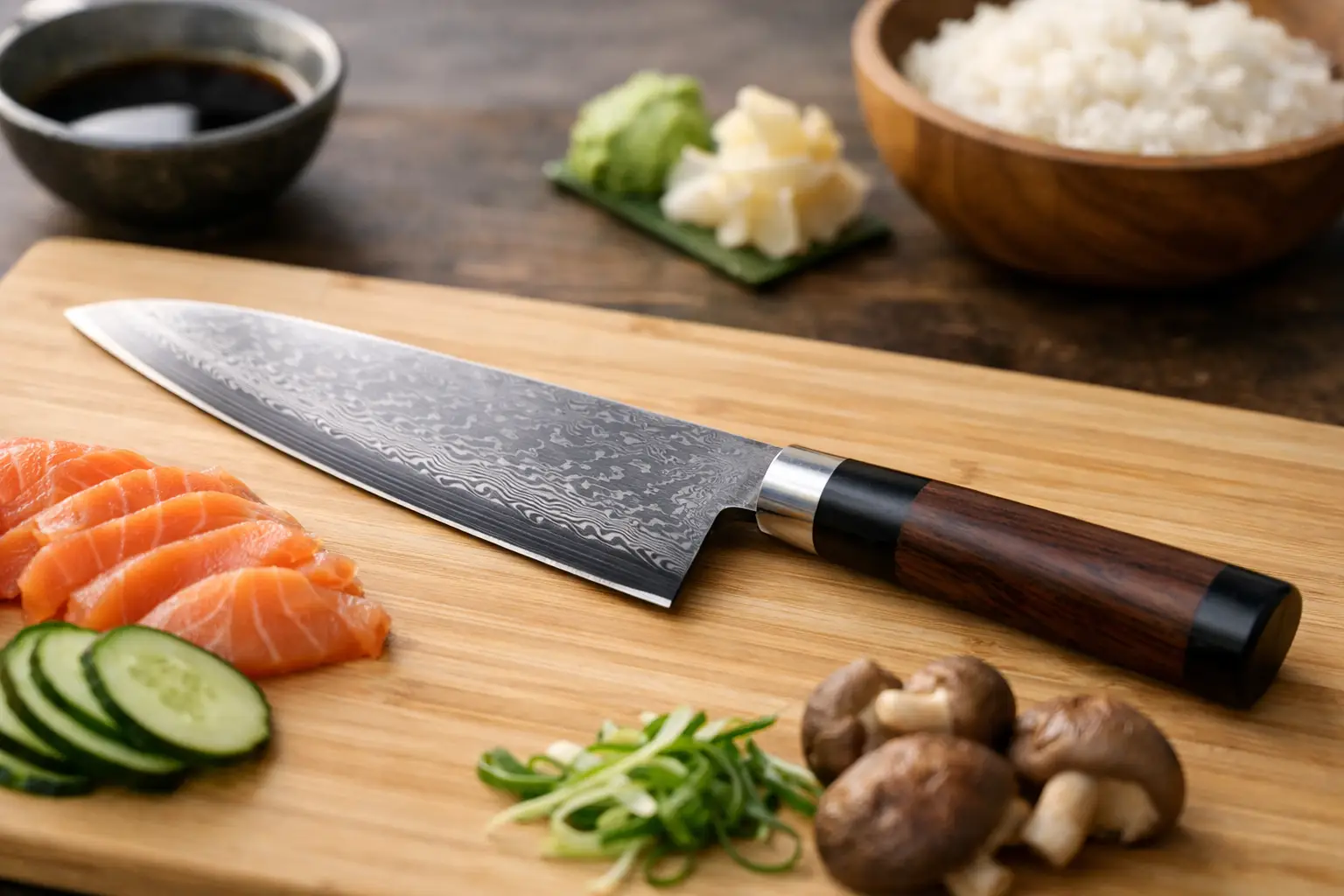
The simplest answer is that it is a Japanese-style all-purpose kitchen knife built for versatility and control. The most common example is the gyuto, which many people think of as the Japanese answer to the classic chef knife. It can handle vegetables, herbs, proteins, and most daily prep with ease.
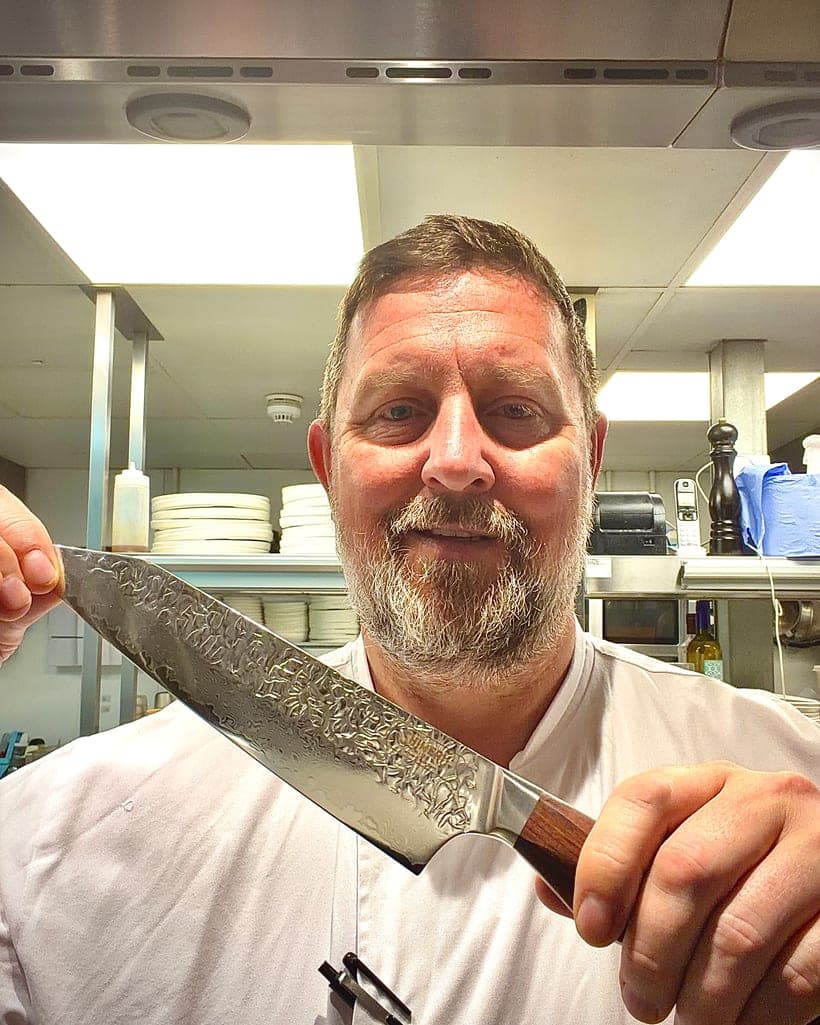
What makes it distinct is not one single feature but a combination of choices. Japanese chef knives are often made from harder steel than standard Western knives. That allows for a finer, sharper edge and better edge retention. They also tend to be thinner behind the edge, which helps the blade glide through ingredients instead of wedging them apart.
That said, not every Japanese knife is ultra-thin, laser-like, or delicate. Some are designed with a little more durability and forgiveness for busy home kitchens. That range is part of the appeal. You can get Japanese performance without signing up for specialist-level maintenance or technique.
Why Japanese chef knives feel different
Most people notice the difference before they can explain it. A Japanese chef knife often feels lighter, more balanced, and more precise from the first few cuts. That feeling comes from blade profile, grind, steel choice, and handle construction working together.
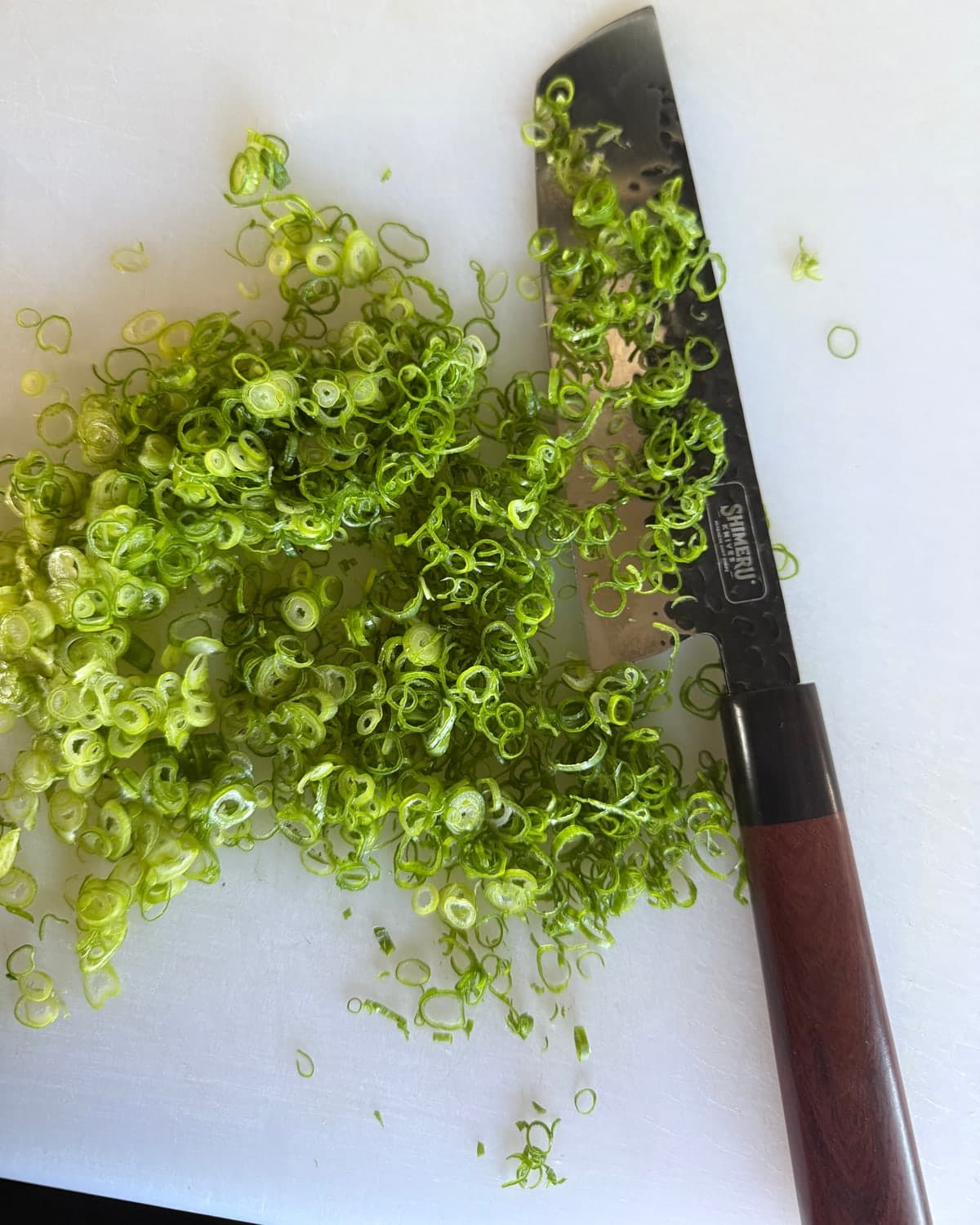
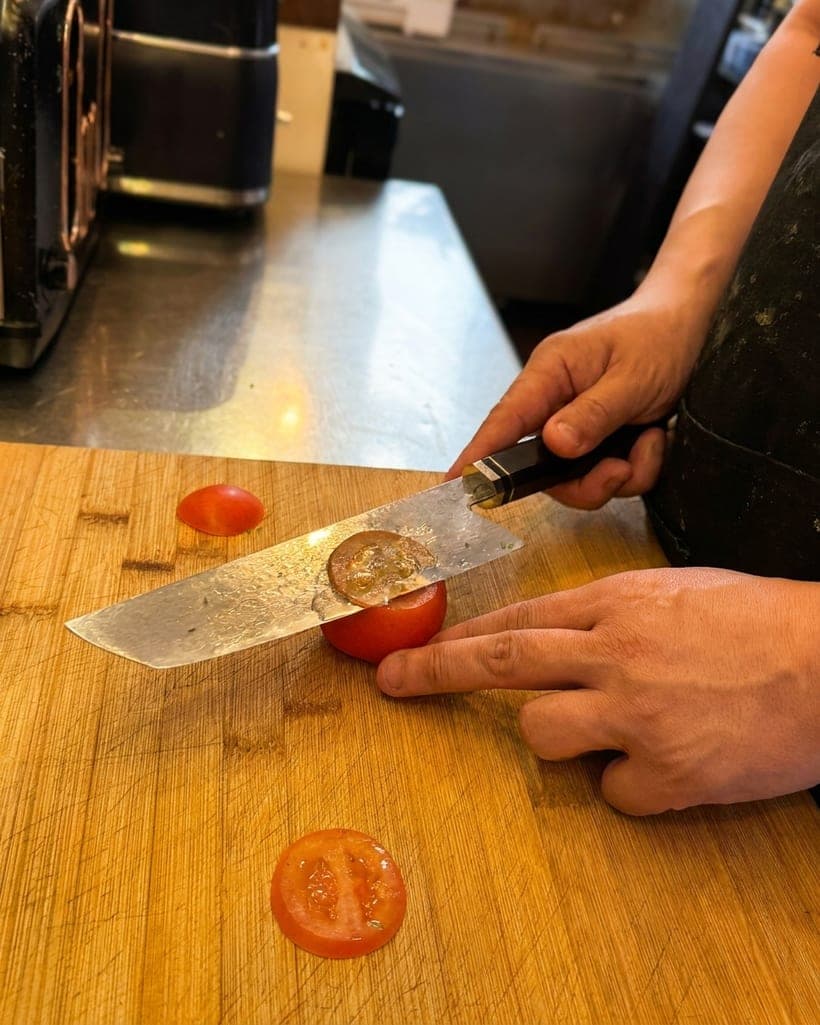
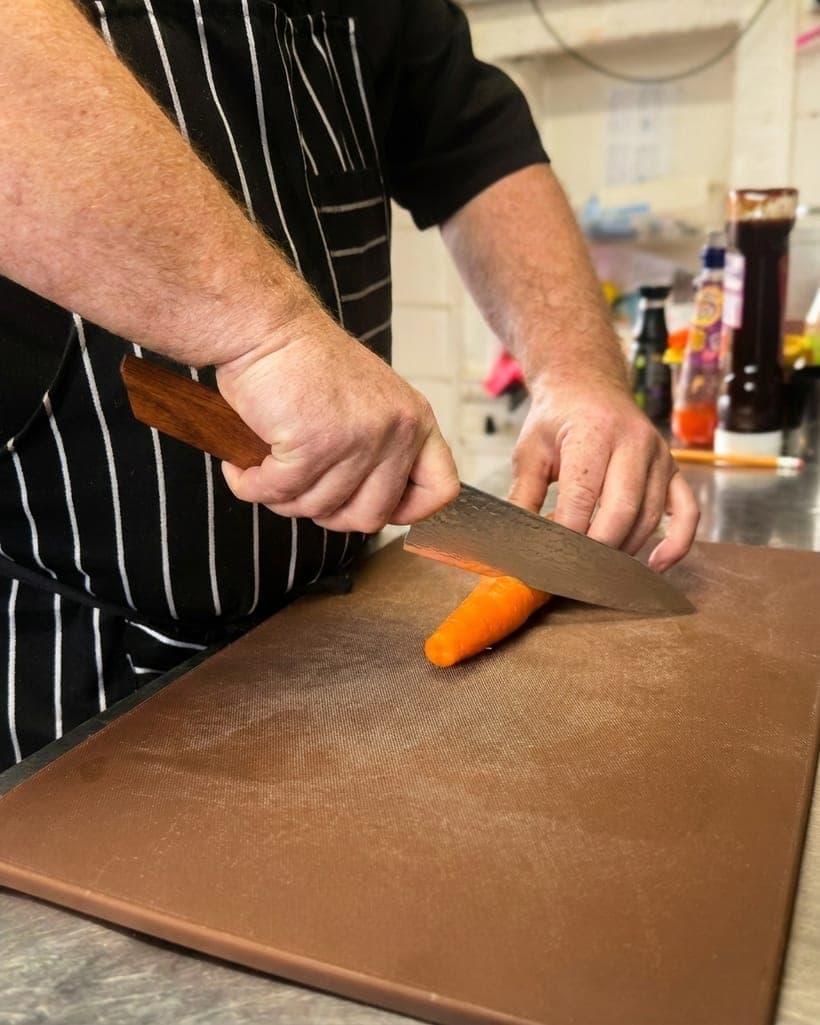
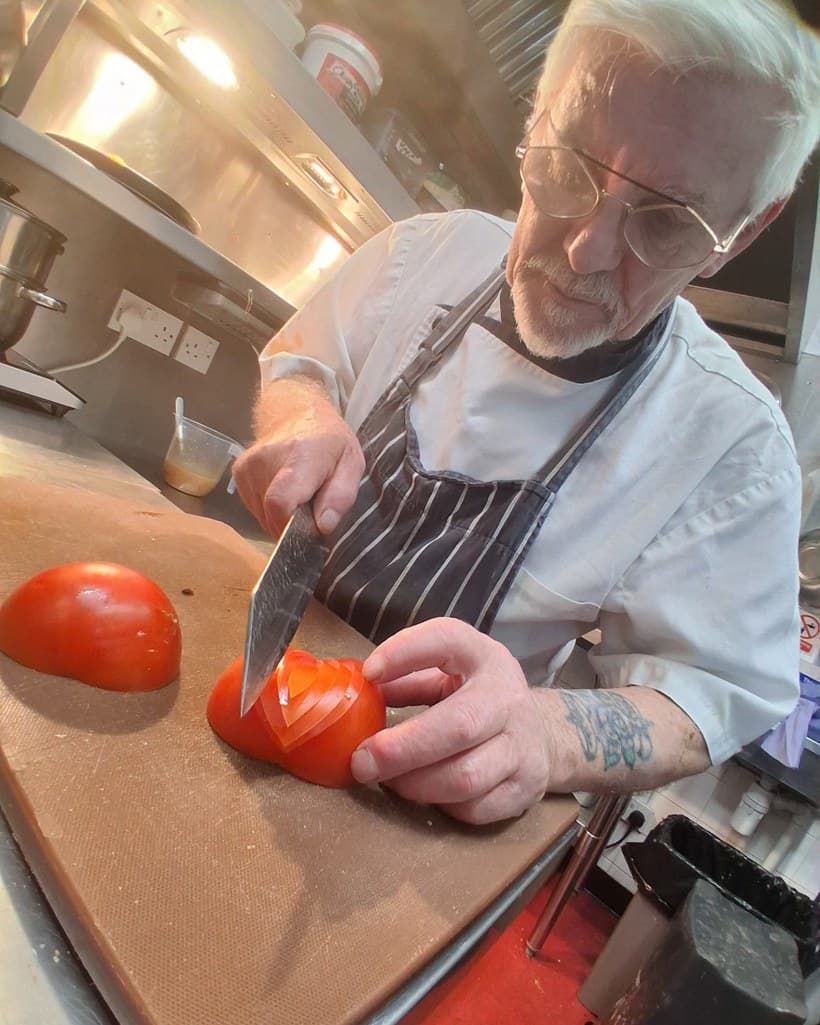
Sharpness is the obvious headline. Japanese knives are known for very keen edges, often sharpened to narrower angles than many Western knives. This helps with detail work and clean slicing. Tomatoes, shallots, scallions, and raw fish all benefit from that kind of edge.
Weight is another factor. A lighter knife can reduce fatigue during prep, especially if you cook often. It also gives many home cooks a stronger sense of control. Instead of forcing the knife through food, you guide it.
Balance matters just as much. A good Japanese chef knife tends to feel nimble rather than blade-heavy. For someone moving up from a bulky starter set, that can make prep faster and more comfortable almost immediately.
The most common Japanese chef knife shapes
If you are asking what is a Japanese chef knife because you are shopping, the answer usually leads to a few core blade types.
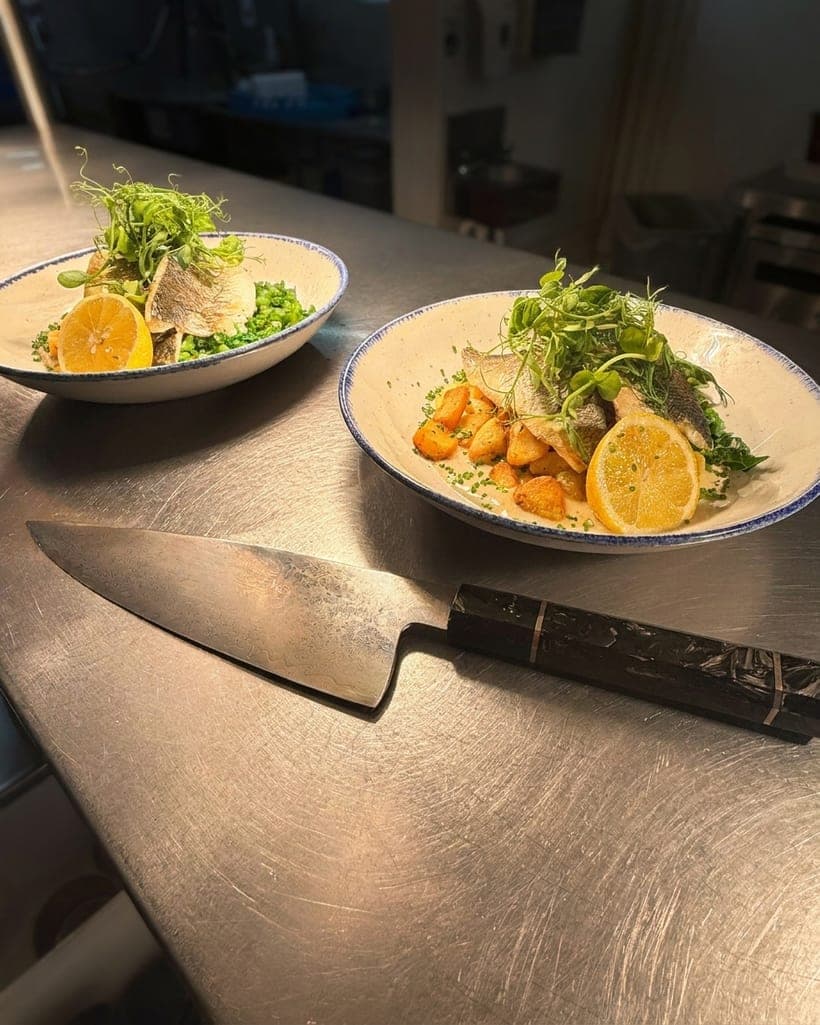
The gyuto is the closest match to a Western chef knife. It is versatile, elegant, and ideal if you want one knife to do almost everything. For many home cooks, this is the easiest place to start.
The santoku is slightly shorter and flatter, with a shape that suits chopping, slicing, and dicing. It is especially popular for vegetables and everyday prep. If you prefer a compact knife or have a smaller cutting board, a santoku can feel very natural.
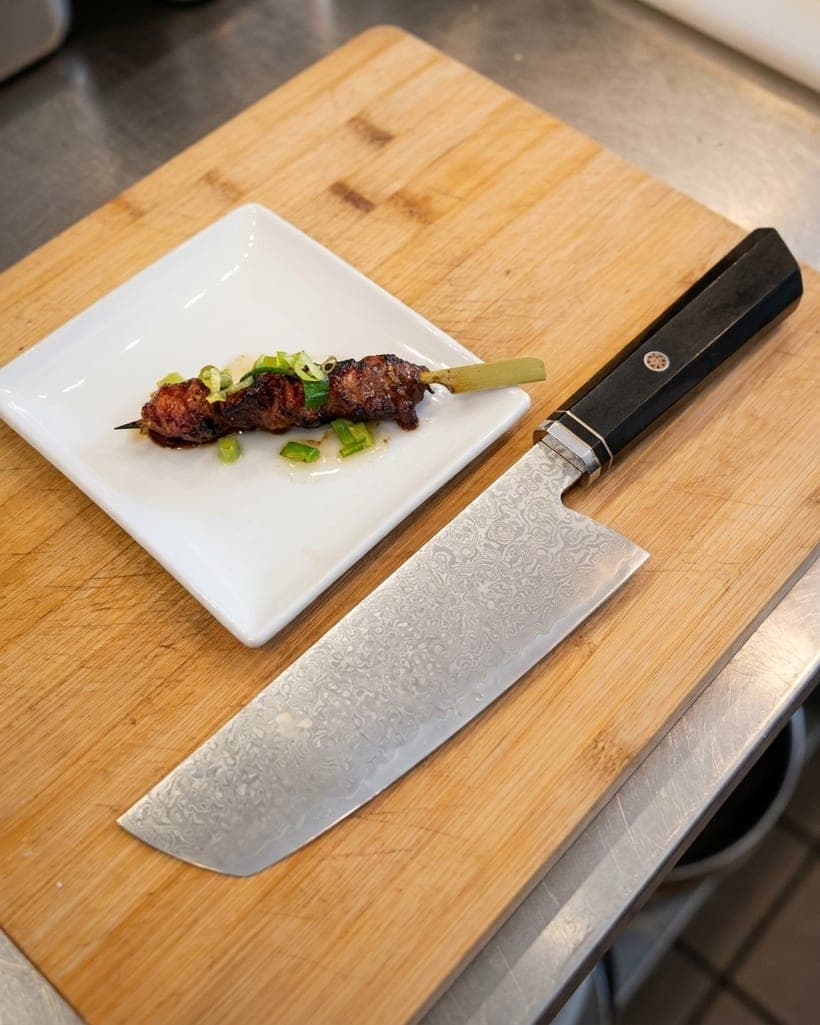
The bunka and kiritsuke-style knives bring a more angular tip and a slightly more assertive look. They are excellent for precise work and have strong visual appeal, but they can feel a bit more specialised depending on the profile.
Not every Japanese knife is a chef knife, of course. A nakiri is made primarily for vegetables, while bread knives and cleavers serve their own purposes. But when people ask about a Japanese chef knife, they are usually comparing a gyuto or santoku to the Western chef knife they already know.
Japanese chef knife vs Western chef knife
This is where the decision becomes clearer. A Western chef knife is typically heavier, thicker, and built with more emphasis on toughness. It is often designed to handle rougher treatment and a wider margin of error.
A Japanese chef knife usually prioritises cutting performance. It is thinner, sharper, and more refined in feel. That can make it more satisfying to use, but there is a trade-off. Harder steels and finer edges can be less forgiving if used carelessly on bones, frozen foods, or very hard surfaces.
Neither approach is universally better. It depends on how you cook. If you want a workhorse that can take abuse, a Western-style knife may suit you. If you value precision, cleaner cuts, and a more premium feel in daily prep, a Japanese chef knife is often the better upgrade.
For many home cooks, the ideal shift is not from one extreme to another. It is moving from a basic, mass-market knife to a Japanese-style blade that offers sharper performance while still being practical to live with.
Steel, edge retention, and what you actually notice
Steel talk can get technical fast, but the real-world question is simple: how does the knife perform over time?
Japanese chef knives are often made with harder steels such as VG-10 or SG2, though there are many variations. Harder steel can hold a sharp edge longer, which means less frequent sharpening and more consistent performance between touch-ups. For a busy home cook, that matters.
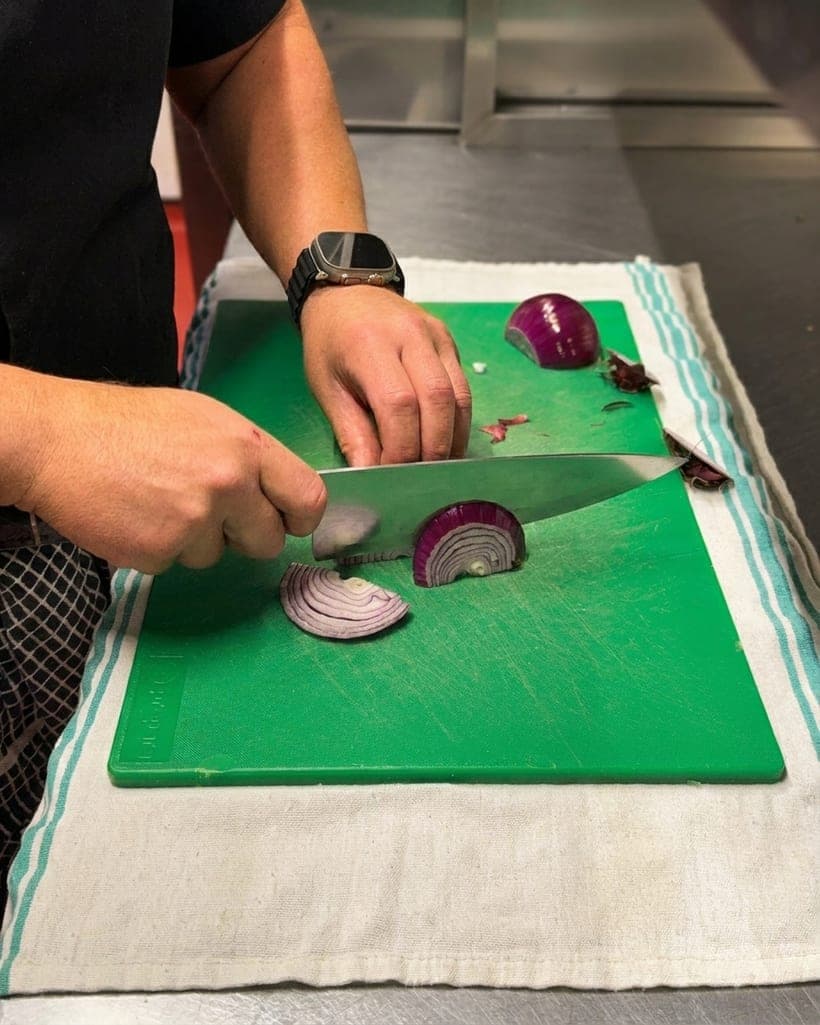
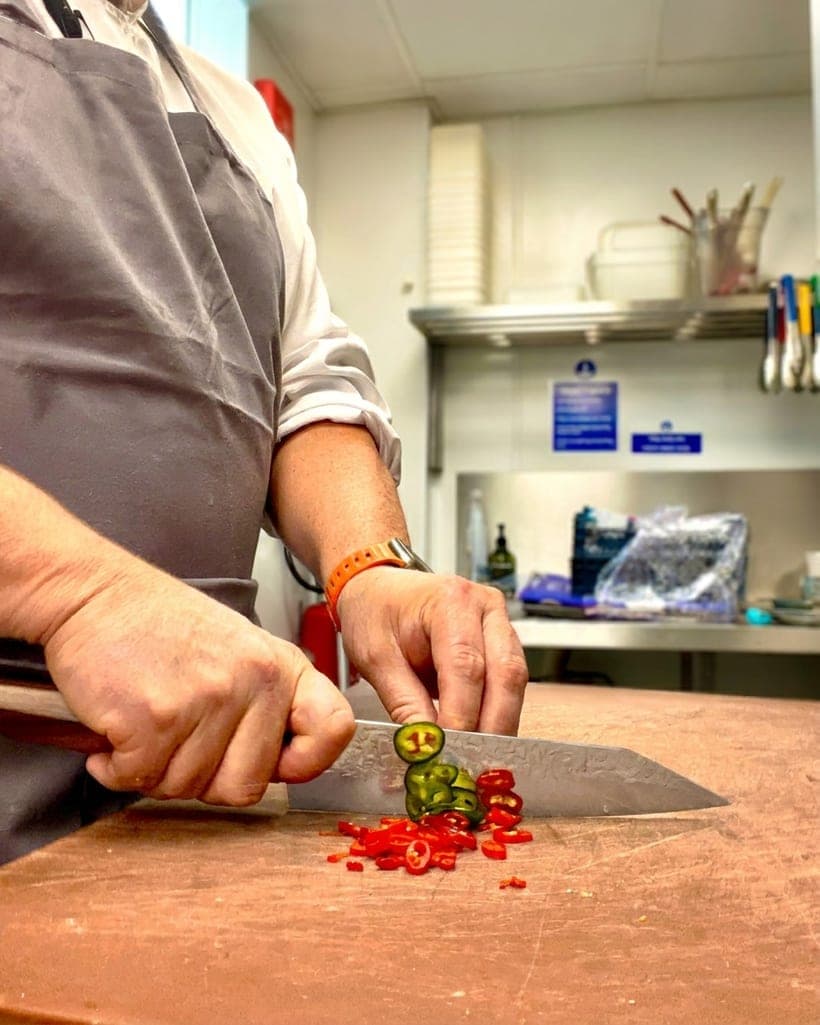
You may also notice that cuts look cleaner. Herbs bruise less. Onion slices separate more neatly. Proteins tear less. The blade feels like it is doing the work for you.
The trade-off is that harder steel can be a little less tolerant of misuse. Twisting in tough foods, scraping the edge across a board, or tossing the knife into a sink are all habits worth avoiding. This is not high-maintenance fussiness. It is simply part of getting the best from a better tool.
What is Japanese chef knife quality for a home cook?
Quality is not just about steel hardness or decorative finishes. For a home cook, quality means a knife that improves prep in obvious ways. It should feel comfortable, cut cleanly, stay sharp well, and make you want to cook more often.
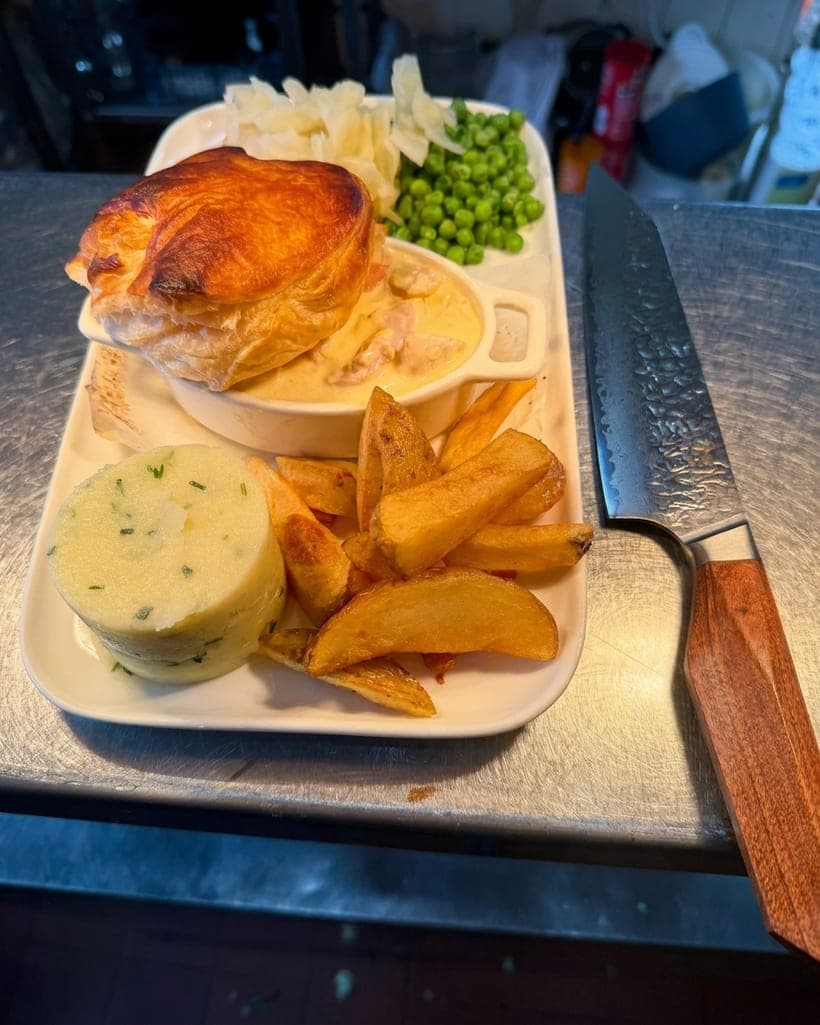
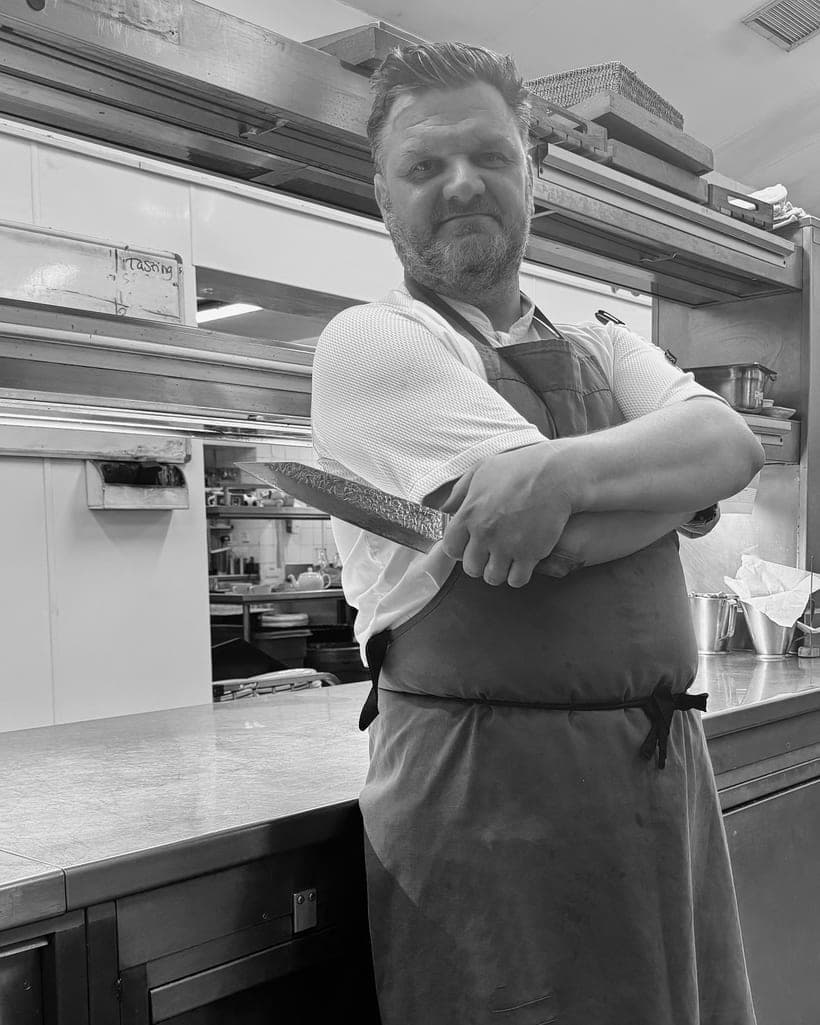
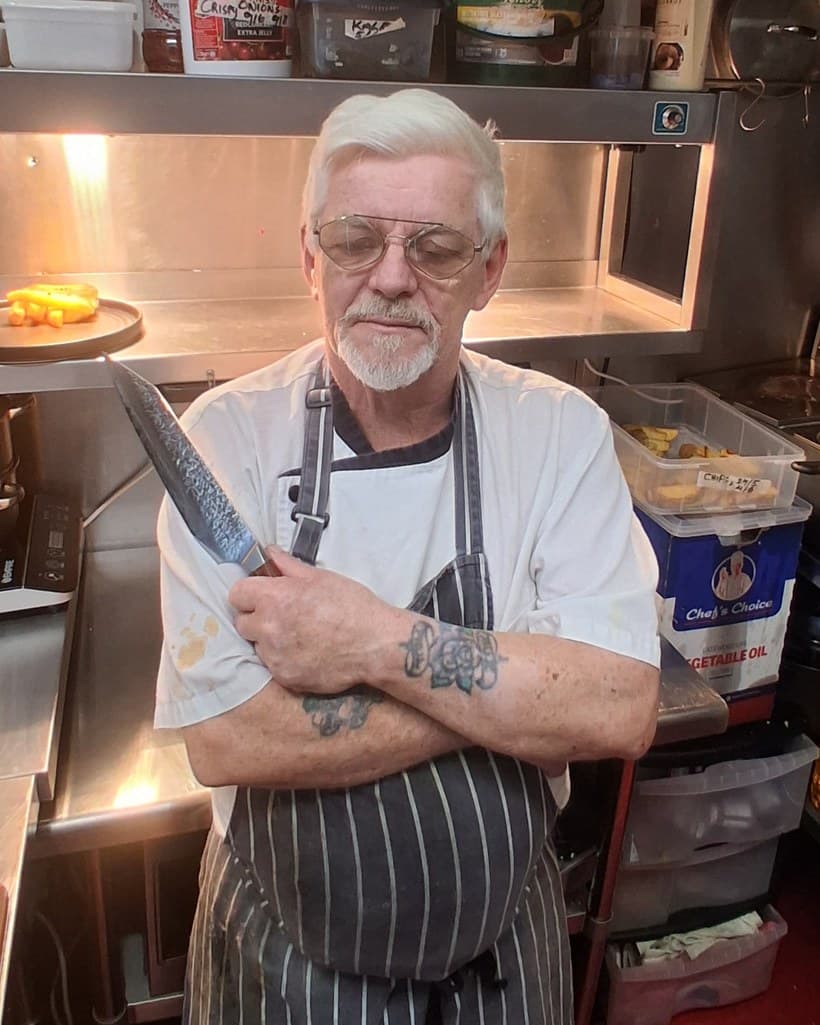
That is why accessible Japanese knives have become so popular. You get the core benefits of Japanese craftsmanship without needing to become a knife collector. A well-made gyuto or santoku can be a daily-use piece, not a precious object that stays in a box.
This is also why brand guidance matters. Shimeru Knives, for example, focuses on making Japanese knife performance approachable for everyday cooks, not just experts. That kind of practical framing is useful because most people do not need the most expensive blade on the market. They need the right one for their kitchen.
Who should buy one?
If you cook a few times a week and feel annoyed by your current knife, you are probably a good candidate. The same goes if you are furnishing a first serious kitchen, shopping for a meaningful gift, or replacing a block set that never really performed.
A Japanese chef knife is especially rewarding for cooks who prep lots of vegetables, herbs, boneless proteins, and fruit. If your meals involve frequent slicing and chopping, you will feel the benefit quickly.
If you mostly break down poultry through bone, hack into squash without care, or want one knife to do every rough kitchen task imaginable, you may want either a more durable Japanese-style option or a separate heavier-duty knife alongside it.
How to choose the right first Japanese chef knife
Start with shape before you get lost in steel charts. A gyuto is the safest all-around choice if you want maximum versatility. A santoku is excellent if you prefer something slightly shorter and more compact.
Then consider your habits. If you value low effort and easy ownership, choose a knife designed for everyday practicality, not just headline specs. Good edge retention, comfortable balance, and straightforward care will matter more than exotic terminology.
Finally, think about fit. The right knife should feel like an upgrade, not a test. Better cooking tools should build confidence.
A Japanese chef knife is not magic. It will not turn weeknight cooking into fine dining. But it can make prep smoother, more precise, and far more satisfying - and that is often exactly the edge a home kitchen has been missing.