

How to Choose Japanese Kitchen Knives
A good knife changes dinner on a Tuesday just as much as it does a holiday meal. If you're figuring out how to choose Japanese kitchen knives, the real question is not which blade looks best in photos - it's which one will make prep feel easier, cleaner, and more enjoyable every time you cook.
Japanese knives have a reputation for sharpness, precision, and craftsmanship, and that reputation is earned. But for most home cooks, the buying process gets confusing fast. Gyuto or Santoku. VG-10 or SG2. Damascus or plain finish. Lightweight or substantial. The best choice depends less on knife lore and more on how you cook, what you cut, and how much maintenance you realistically want.
How to buy Japanese kitchen knives without overbuying
The easiest mistake is shopping for an impressive knife instead of the right knife. Many people upgrading from a basic Western set assume they need the most advanced steel, the most striking pattern, or the most specialised blade shape. Usually, they need a versatile knife that feels comfortable in hand and performs well across everyday prep.
For most kitchens, that means starting with one primary knife rather than a full collection. A well-chosen Japanese chef knife can handle onions, herbs, proteins, and most fruits and vegetables with far more finesse than a bulky starter set. Buying one excellent knife often does more for your cooking than buying six average ones.
That said, there is no single perfect format for everyone. A home cook who chops mountains of vegetables may love a Nakiri. Someone who wants one do-it-all blade will usually be better served by a Gyuto or Santoku. A gift buyer may care as much about versatility and presentation as technical details. Context matters.
Start with the blade shape
Blade shape affects daily use more than most first-time buyers expect. It influences how the knife moves on the board, what it cuts best, and whether it feels intuitive from day one.
Gyuto
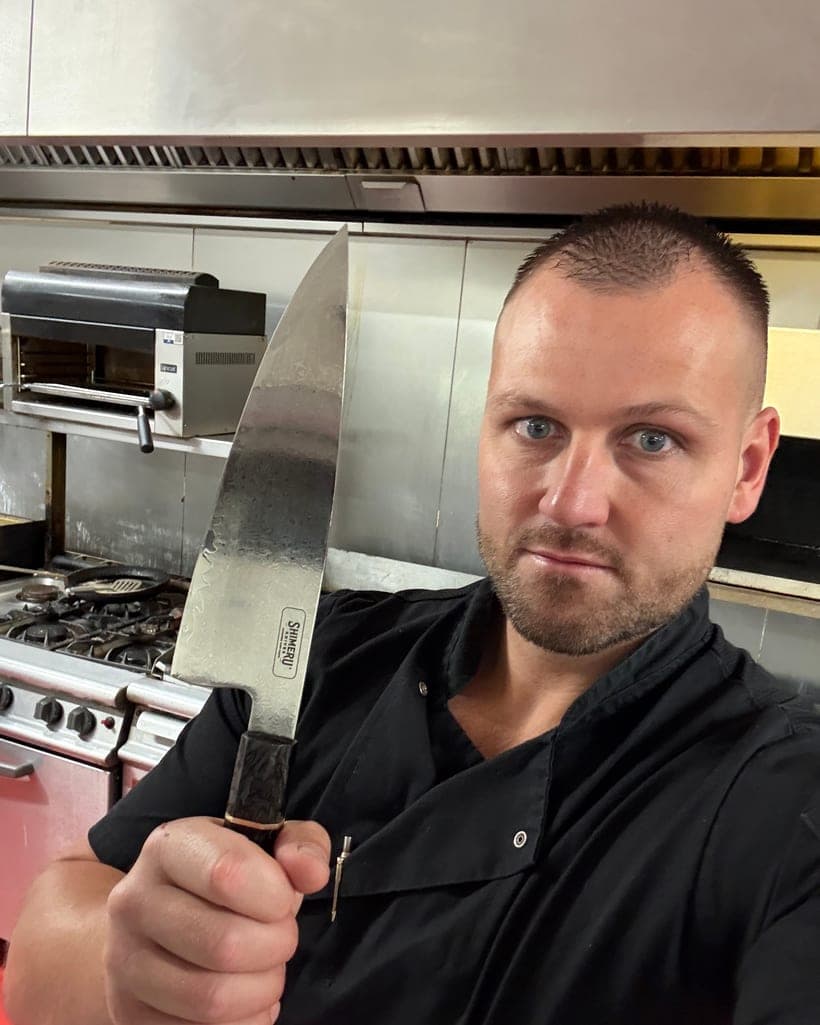
If you want the closest Japanese equivalent to a Western chef's knife, start here. A Gyuto is versatile, agile, and typically a little flatter and lighter than many German-style knives. It suits home cooks who slice proteins, chop vegetables, and want one knife to cover almost everything.
For many buyers, this is the safest upgrade. It feels familiar enough to use immediately, but sharper, slimmer, and more precise.
Santoku
Santoku knives are slightly shorter and often feel especially manageable for home cooks. They excel at slicing, dicing, and mincing, with a flatter edge profile that suits straight up-and-down chopping.
If your current chef's knife feels too long or clumsy, a Santoku can be the better fit. It gives up a little tip length compared with a Gyuto, but gains approachability.
Nakiri, Bunka, and Kiritsuke
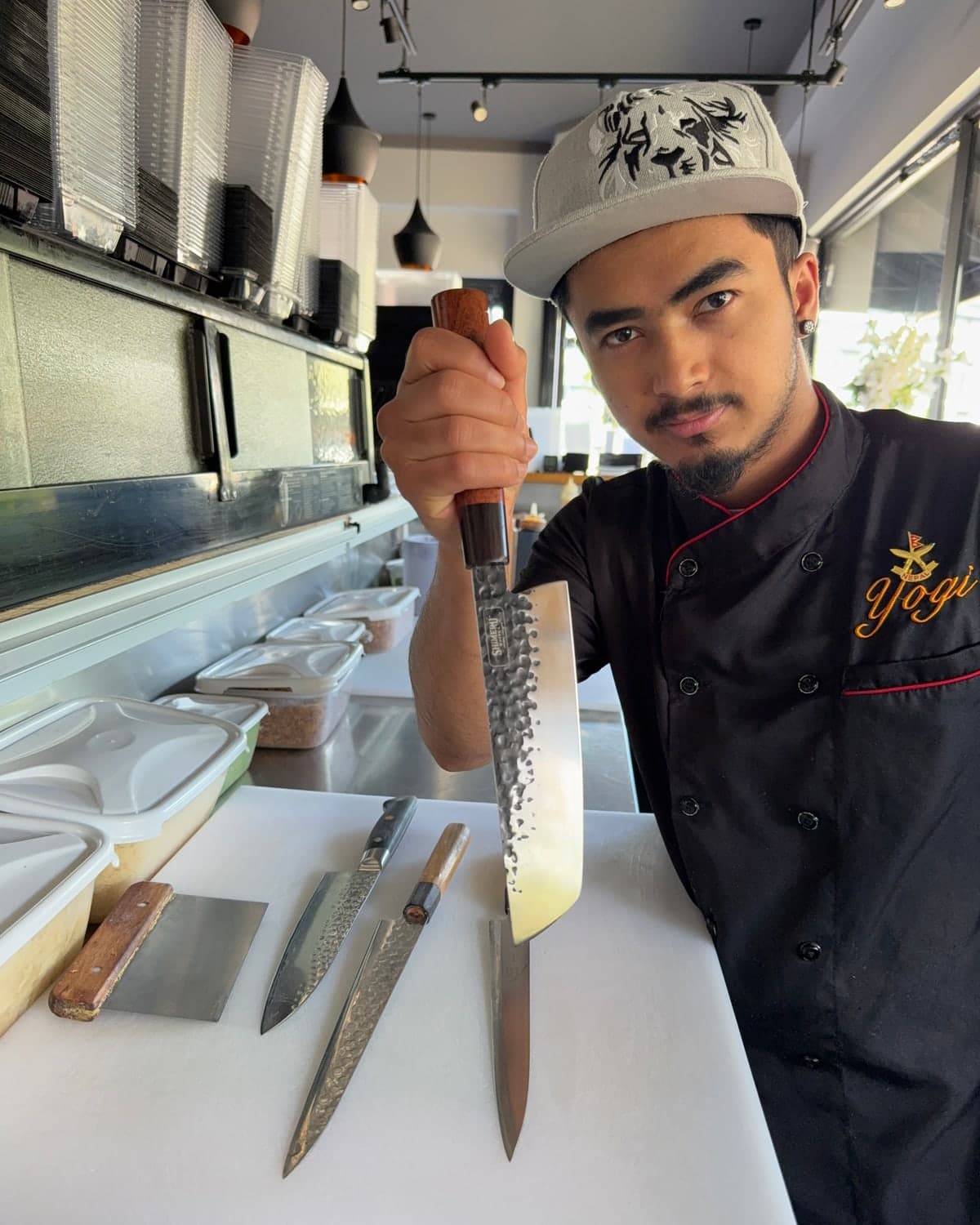
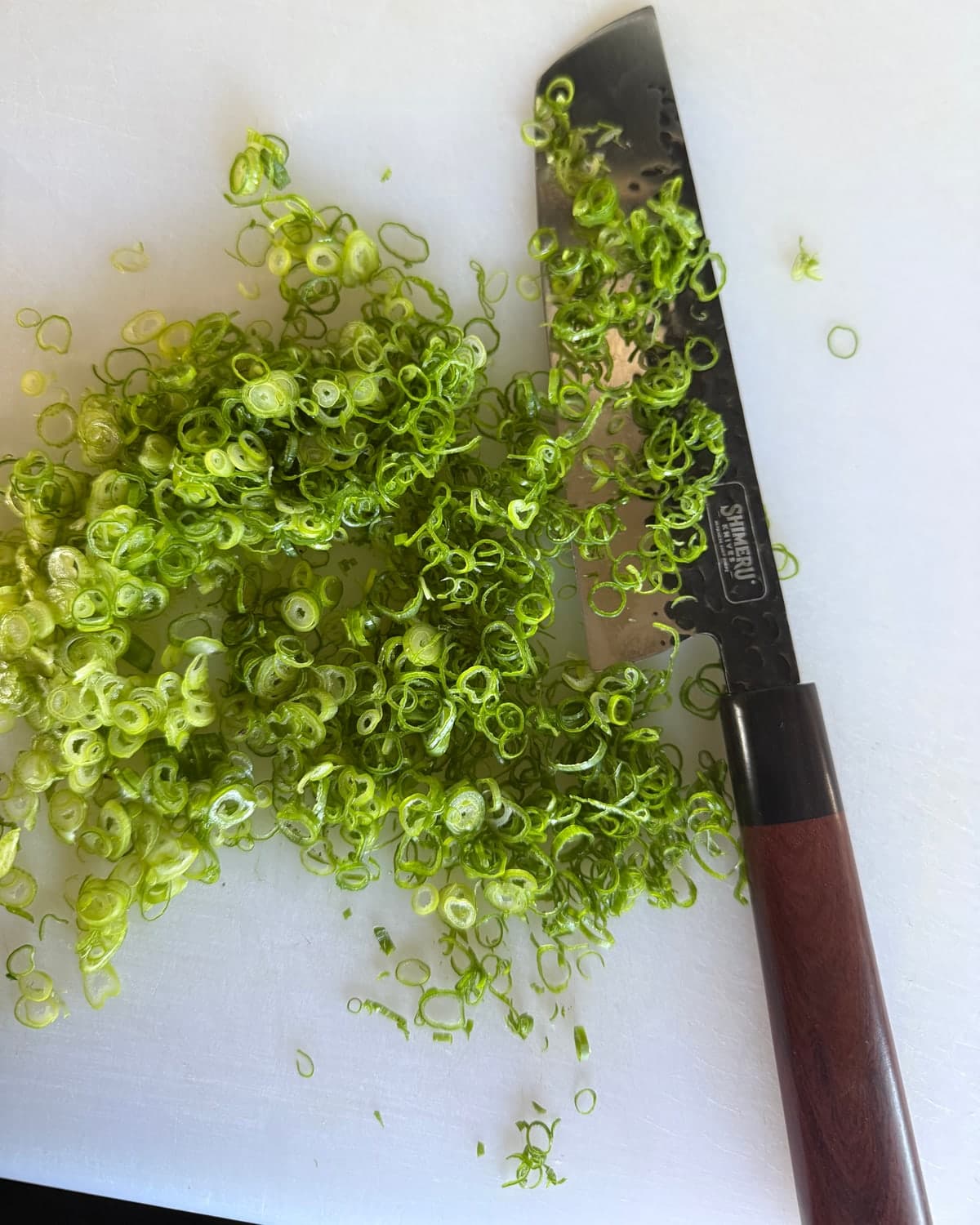
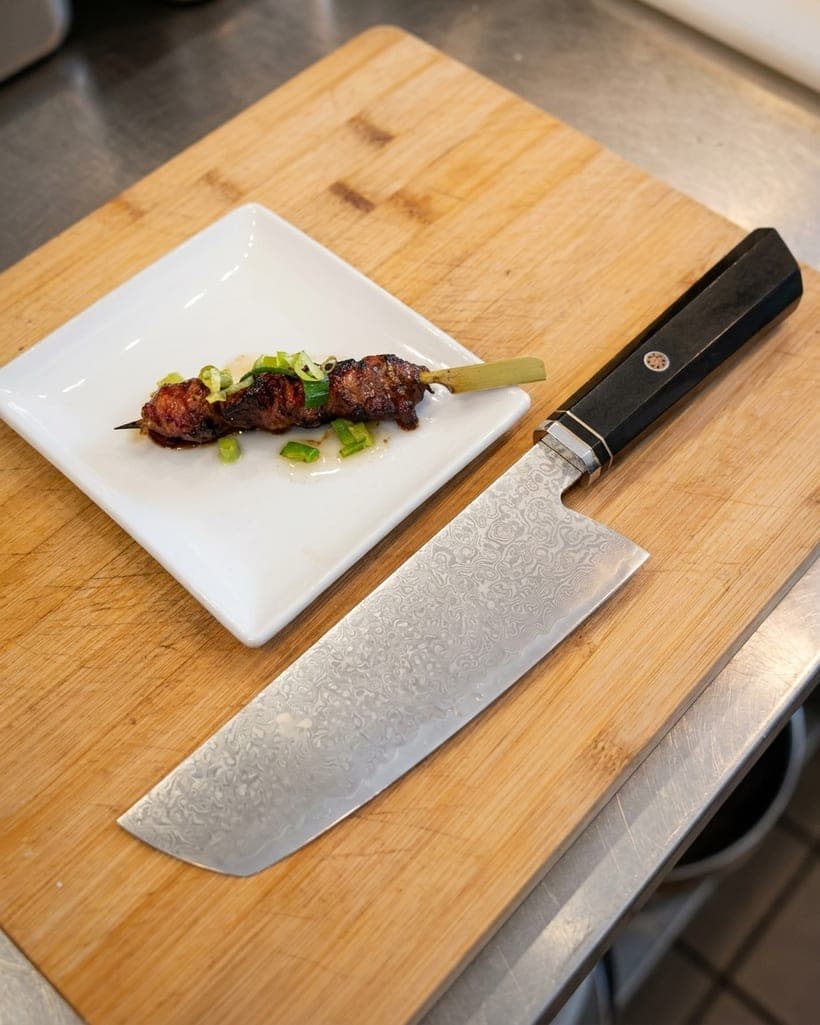
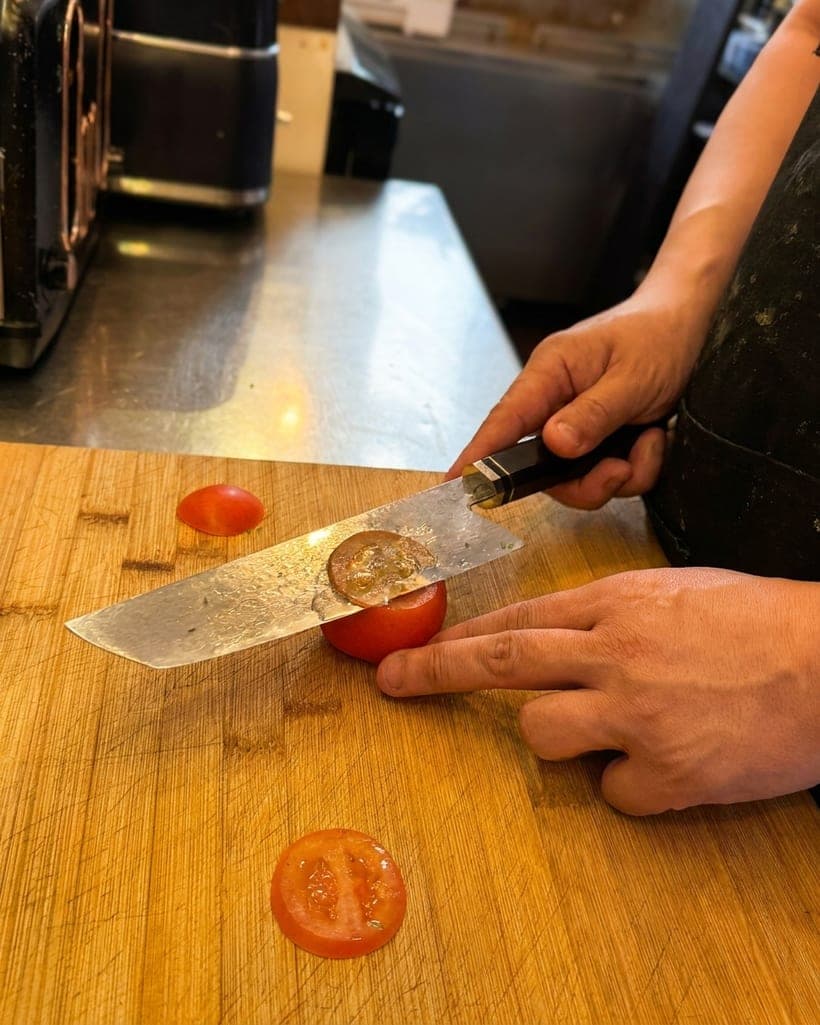
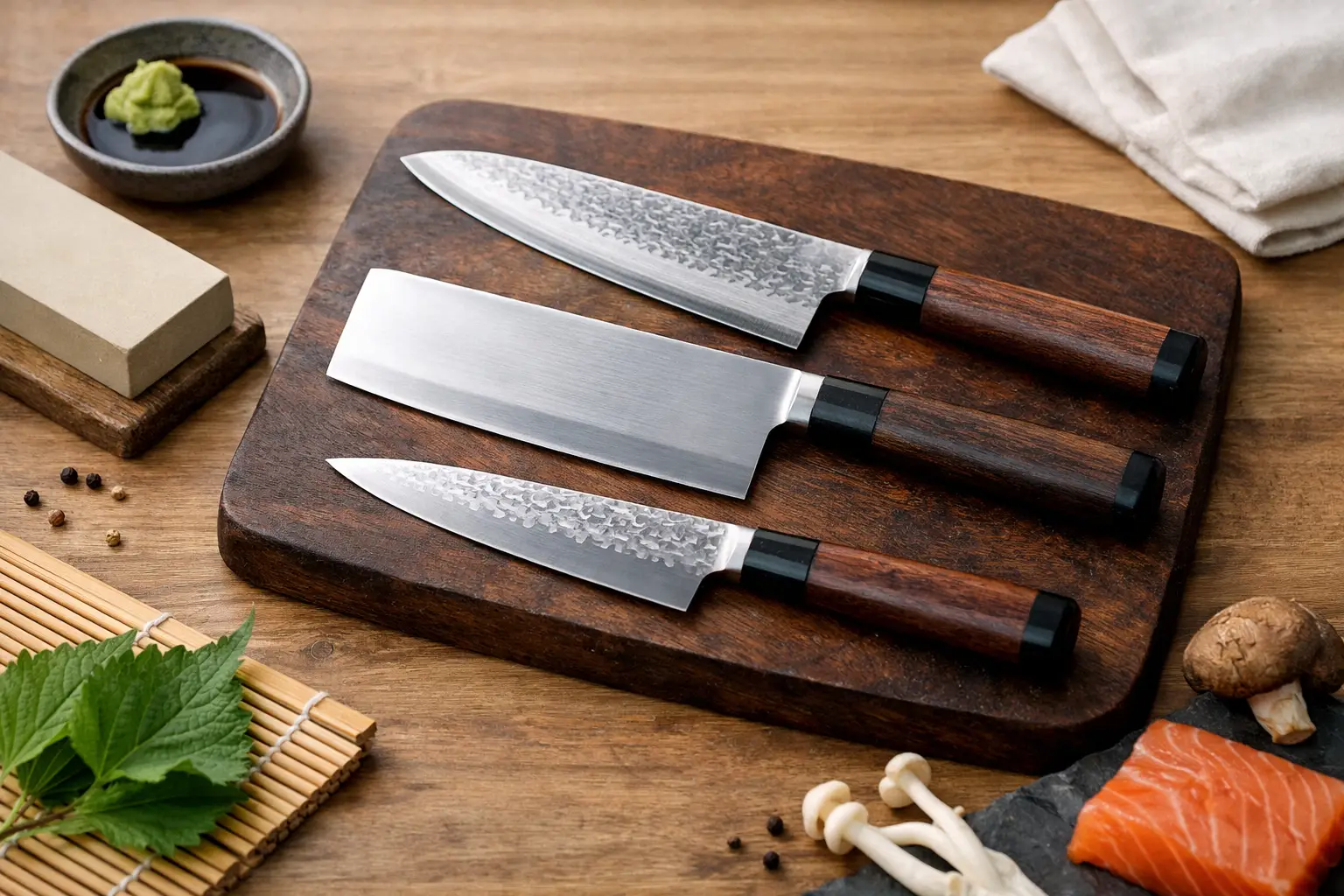
A Nakiri is built for vegetables. Its straight edge and rectangular blade make fast, clean produce prep deeply satisfying. If you cook plant-forward meals most nights, it can be more useful than a general-purpose chef's knife.
A Bunka has a slightly more assertive profile with a pointed tip that helps with detail work. A Kiritsuke-style knife often looks striking and performs beautifully, but it can be a more confident choice for cooks who already know what they like. If you're buying your first Japanese knife, these shapes can be excellent, but only if they match your habits rather than your ambitions.
Steel matters, but not in the way people think
When shoppers compare Japanese knives, steel often becomes the headline. It matters, but not because you need to memorise metallurgy.
What you actually need to know is this: harder Japanese steels can take a finer edge and hold it longer than many standard Western knives. That is a major part of the appeal. You get cleaner cuts, less crushing of delicate ingredients, and less frequent sharpening.
VG-10 is a popular choice because it balances sharpness, durability, and relative ease of maintenance. SG2 or other powdered steels can offer even stronger edge retention and a more premium feel, but they also tend to cost more. For a lot of home cooks, VG-10 is already a serious step up.
There is also a difference between stainless and high-carbon steel. Stainless is easier to live with. It resists rust and staining, which makes it the sensible choice for most busy kitchens. High-carbon steel can be wonderfully sharp and rewarding, but it asks more of you. If you leave a wet blade on the board or in the sink, it will remind you quickly.
That trade-off is worth considering honestly. If you want performance with less fuss, stainless or stainless-clad steel is usually the smart buy.
Pay attention to weight, balance, and handle feel
One reason people fall for Japanese knives so quickly is how nimble they feel. Compared with heavier Western knives, many Japanese blades feel lighter, faster, and more responsive. That can reduce fatigue and make prep work feel more precise.
But lighter is not automatically better. Some cooks love the control of a lightweight blade. Others prefer a little more presence in hand. Balance matters just as much as total weight. A knife should feel stable and natural, not blade-heavy or awkward at the handle.
Handle style influences this. Japanese-style wa handles are often lighter and shift the balance forward toward the blade. Western-style handles usually feel more familiar if you're coming from a classic chef's knife. Neither is objectively better. The right choice is the one that gives you confidence when slicing an onion or trimming chicken, not the one with the more traditional story.
Don't confuse finish with performance
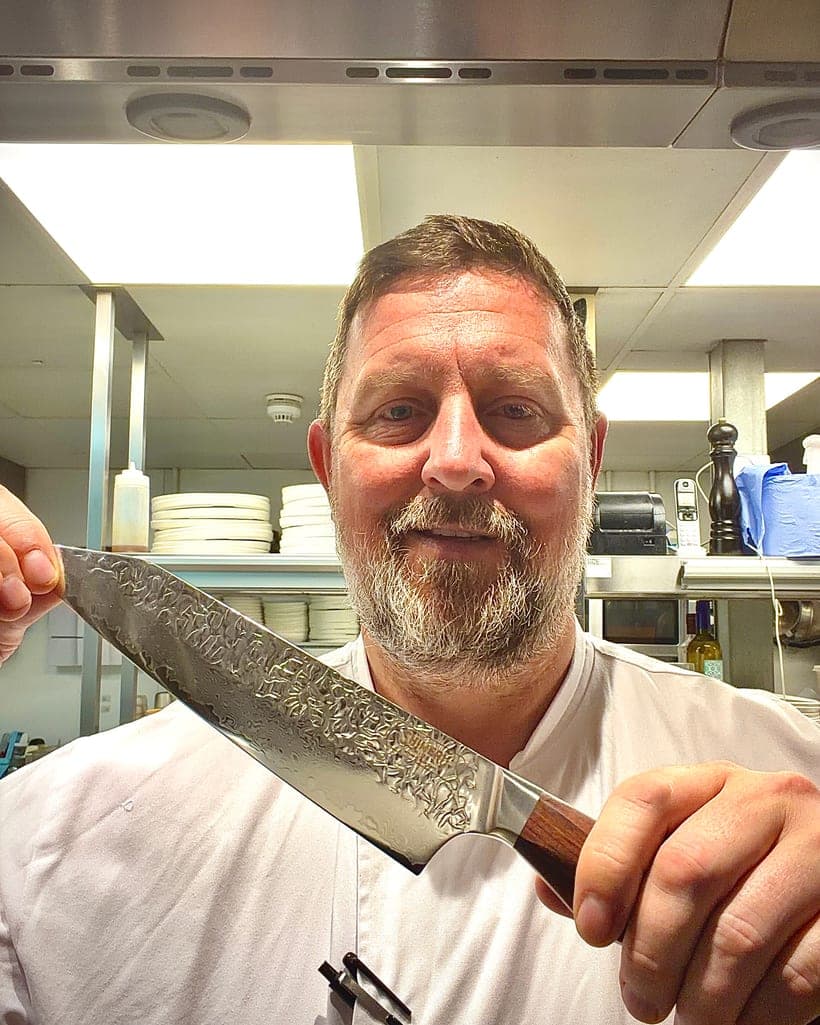
Damascus patterns, hammered finishes, and polished blades are beautiful. They also help make Japanese knives feel special enough to give as gifts or display proudly in the kitchen. But finish is not the same thing as cutting performance.
A plain-finished knife made from excellent steel with a well-ground edge will outperform a decorative knife with weaker fundamentals. If your budget is limited, prioritise blade shape, steel quality, heat treatment, and overall fit and finish before paying extra for visual detail.
That does not mean aesthetics are irrelevant. Part of the pleasure of owning a well-made knife is enjoying it every time you reach for it. Just make sure you're buying beauty on top of performance, not instead of it.
How to buy Japanese kitchen knives for your cooking style
Think about what you cook in an ordinary week, not your most ambitious meal. If you mostly chop vegetables, mince herbs, and slice boneless proteins, a Santoku or Gyuto makes sense. If produce is the centre of your cooking, a Nakiri may earn its place immediately. If you bake often, a quality bread knife matters more than another chef knife.
This is also where sets become useful or unnecessary. A set can be a smart buy for a new kitchen, a wedding gift, or someone replacing multiple tired knives at once. But if you're upgrading for yourself, there is nothing wrong with starting with one primary blade and adding from there.
Shimeru Knives is built around exactly this kind of decision - making Japanese knife performance accessible without burying home cooks in specialist jargon. That matters, because confidence is part of the product.
Check the practical details before you buy
A premium knife should feel exciting, but the buying experience should still be straightforward. Before you choose, look at the practical side. Is the knife meant for everyday use or specialist prep? Does the seller explain care clearly? Are returns simple if the size or shape feels wrong in hand?
You should also be realistic about maintenance. Japanese knives reward proper care. Hand wash them. Dry them promptly. Use a proper cutting surface, not glass or stone. If that sounds burdensome, it really isn't - but it does mean these knives perform best when treated like precision tools rather than tossed in a dishwasher basket.
Sharpening matters too. A better edge is one of the biggest reasons to upgrade, so have a plan to maintain it. That might mean learning to use a whetstone or having the knife sharpened professionally when needed.
What most first-time buyers should choose
If you want the clearest answer, here it is: most first-time buyers should start with a stainless Gyuto or Santoku from a reputable maker, in a size that feels comfortable rather than imposing. That combination gives you the best balance of sharpness, versatility, ease of care, and daily usefulness.
From there, your second knife can be more personal. Maybe it's a Nakiri for produce prep, a Bunka for a sharper visual edge and a more distinct profile, or a gift-ready set for a kitchen that is finally coming together.
The right Japanese knife should make you want to cook more often, not make you nervous to use it. Buy for your real kitchen, your real habits, and the foods you actually love to make. When the knife fits that life, the difference is immediate.