


Best Knives for Everyday Prep, Explained
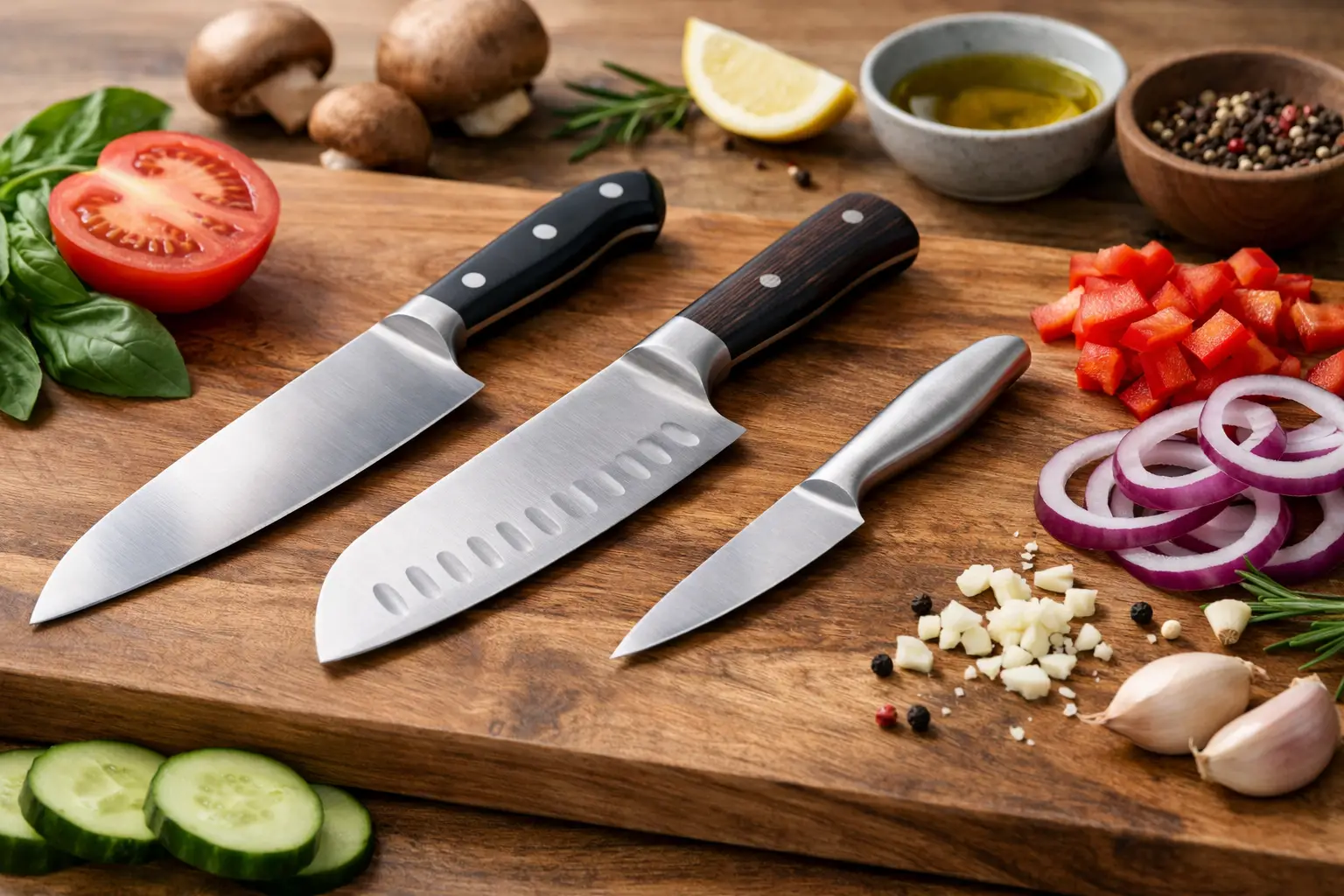
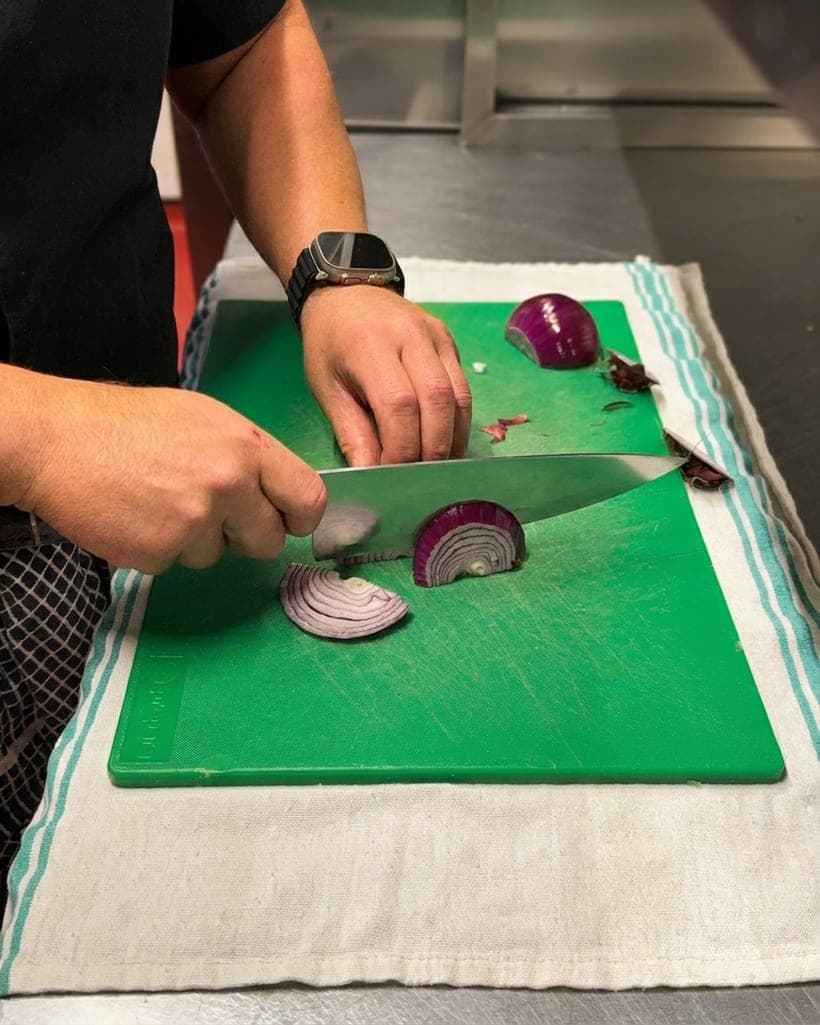
Weeknight dinner prep often reveals the truth about a knife. Not the holiday roast, not the special-occasion carving, but the Tuesday onion, the pile of herbs, the sweet potato that should not feel like a negotiation. If you are looking for the best knives for everyday prep, the right answer is rarely the biggest set or the most dramatic blade. It is the knife that makes daily cooking feel easier, cleaner, and more precise the moment it touches the board.
For most home cooks, that means narrowing the field quickly. You do not need six specialised knives to chop vegetables, slice chicken, mince garlic, and portion fruit. You need one excellent primary knife, and maybe a second blade if your cooking habits call for it. The smart choice comes down to shape, weight, steel, and how the knife moves through the ingredients you prep most often.
What makes the best knives for everyday prep?
An everyday prep knife has a simple job description. It should handle a wide range of ingredients without feeling clumsy, tiring, or overly delicate. It needs enough length to slice efficiently, enough agility for detail work, and a fine enough edge that tomatoes, herbs, and onions do not get crushed on the way down.
This is where many home cooks notice the difference between standard Western knives and well-made Japanese-style blades. A thinner profile usually means less resistance through food. Lower weight can make repetitive chopping feel more controlled. Better balance helps the knife feel like an extension of your hand rather than a tool you are managing. And stronger edge retention means the blade stays satisfying to use for longer stretches between sharpenings.
That does not mean every Japanese knife is automatically right for every kitchen. The best everyday knife still depends on what you cook, how you cut, and whether you prefer a more versatile shape or a more specialised one.
The best knife shape for most home cooks
If you want one knife to do almost everything, start with a Gyuto or a Santoku. These are the two formats that consistently make the most sense for everyday prep.
Gyuto: the best all-around choice
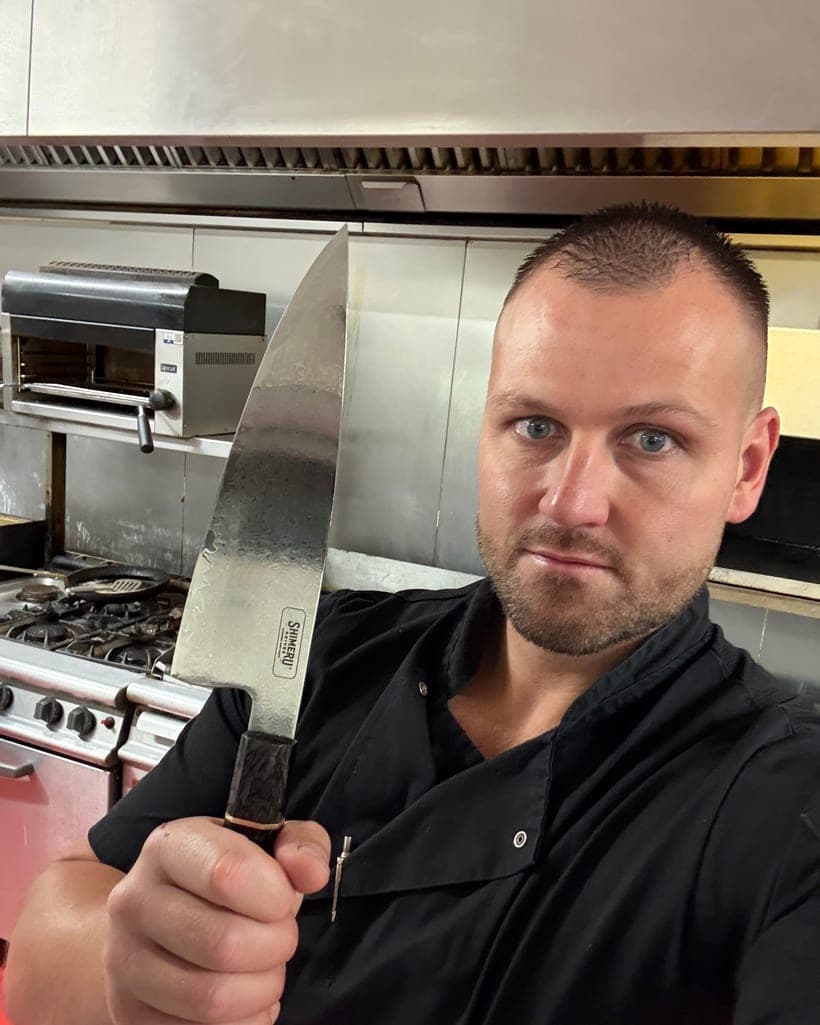
A Gyuto is the Japanese answer to the classic chef's knife, but usually with a lighter, more agile feel. For many home cooks, it is the strongest single-knife option because it covers almost every prep task well. It can slice proteins, dice onions, chiffonade herbs, break down squash, and handle longer cuts on larger vegetables without feeling oversized.
A 210mm Gyuto is often the sweet spot. It gives you enough blade length for confident slicing but still feels manageable in a home kitchen. If you are moving up from a typical department-store knife set, this shape often feels like the clearest upgrade - familiar enough to use immediately, but sharper and more refined in performance.
The trade-off is that some cooks find a Gyuto slightly less compact than they want for smaller cutting boards or tighter prep spaces. If you like a shorter, more upright chopping style, another shape may feel more intuitive.
Santoku: easy, efficient, and approachable
The Santoku is one of the best knives for everyday prep if your cooking leans heavily toward vegetables, boneless proteins, and general weeknight meals. It is typically shorter than a Gyuto, with a flatter edge profile that suits clean downward cuts and quick chopping.
For confident beginners and capable home cooks alike, the Santoku often feels immediately comfortable. It is balanced, versatile, and less intimidating than a longer chef's knife. If your prep usually involves onions, carrots, peppers, herbs, chicken breasts, and fruit, a good Santoku covers that territory beautifully.
Its limitation is reach. On large melons, big cabbages, or longer slicing jobs, it can feel a little short compared with a Gyuto. That does not make it less useful - only slightly less broad in range.
Nakiri: brilliant for vegetable-heavy kitchens
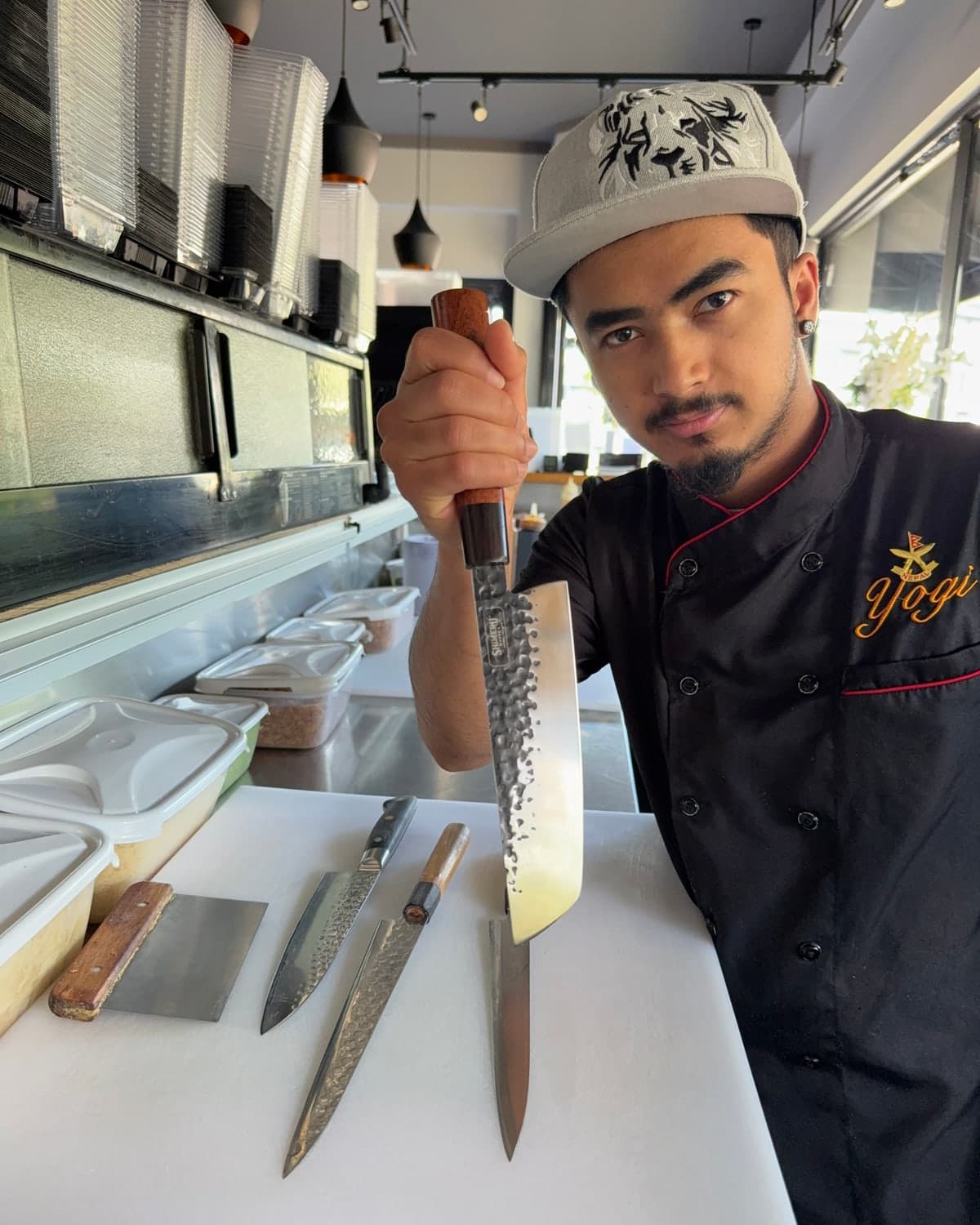
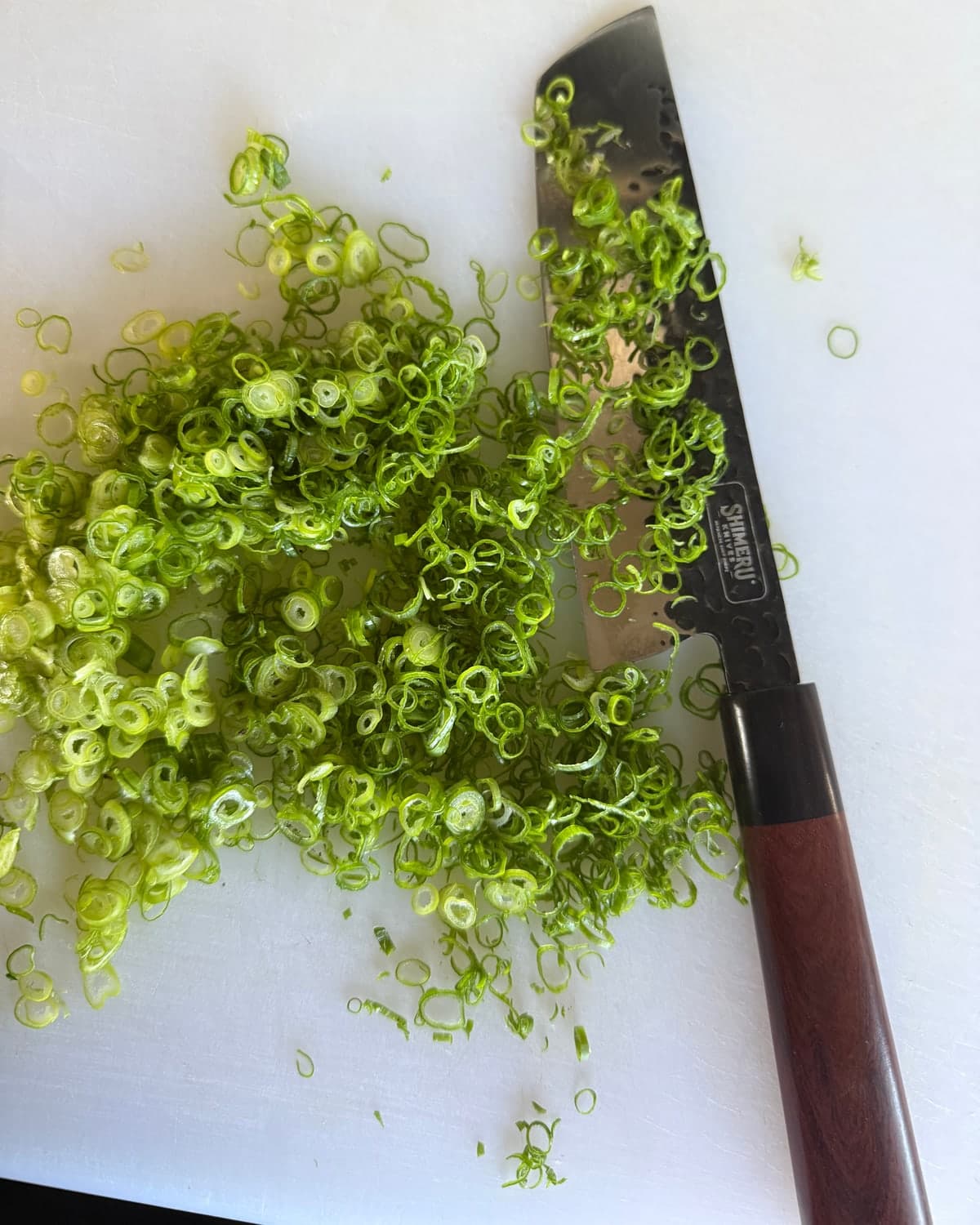
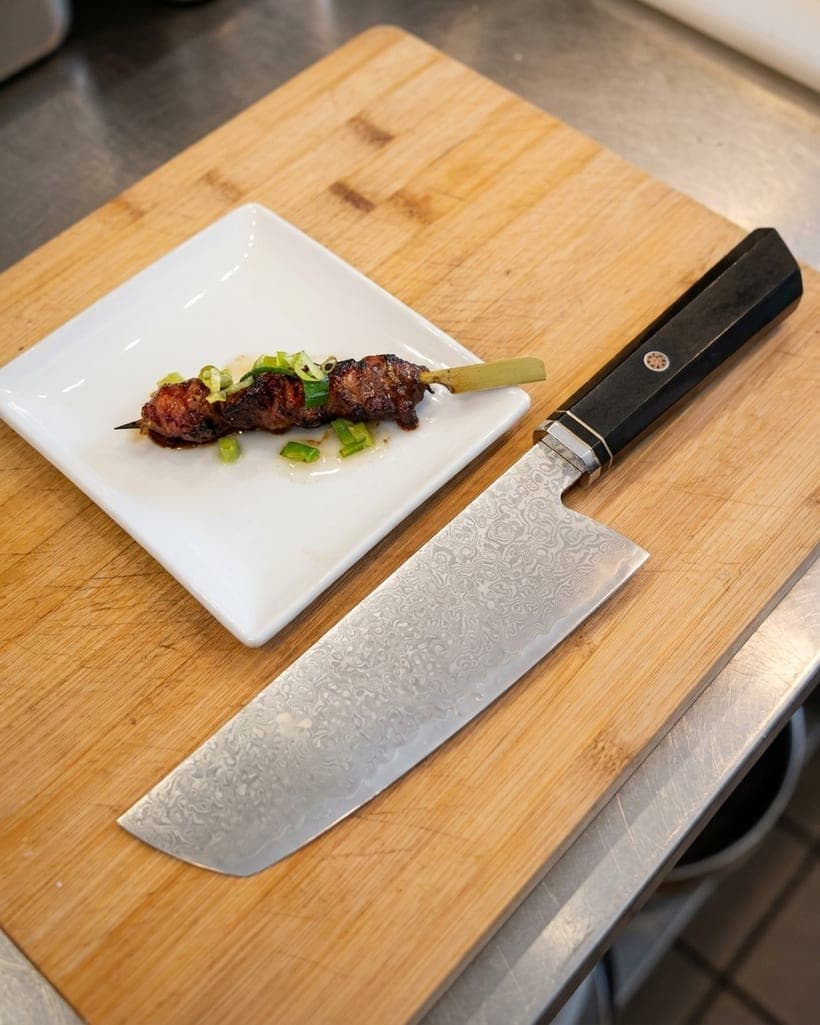
If you cook vegetables every day and want the cleanest possible chopping experience, a Nakiri deserves serious attention. Its straight edge and rectangular blade are designed for efficient, precise vegetable prep. It excels at clean board contact, fast repetitive chopping, and neat cuts through dense produce.
This is not the most universal knife on the list, but in the right kitchen it can become the favourite. If your prep starts with greens, root vegetables, cucumbers, cabbage, and herbs far more often than large cuts of meat, a Nakiri can feel remarkably satisfying.
The trade-off is versatility. It is not the first choice if you want one knife for everything from trimming steak to slicing sandwiches.
How to choose between Gyuto, Santoku, and Nakiri
Your cooking style matters more than knife lore. If you want one premium knife that can comfortably do almost anything, choose a Gyuto. If you want something compact, highly versatile, and especially easy to live with day to day, choose a Santoku. If vegetables dominate your prep and you value speed and precision on the board, choose a Nakiri.
This is also where personal feel comes in. Some home cooks love the authority of a slightly longer blade. Others work faster with something shorter and lighter. The best knife is not the one with the most dramatic specifications. It is the one you reach for without hesitation.
Steel, sharpness, and what actually matters
Knife shopping often gets crowded with steel names, hardness scores, and layered finishes. Some of that matters, but not all of it matters equally for everyday prep.
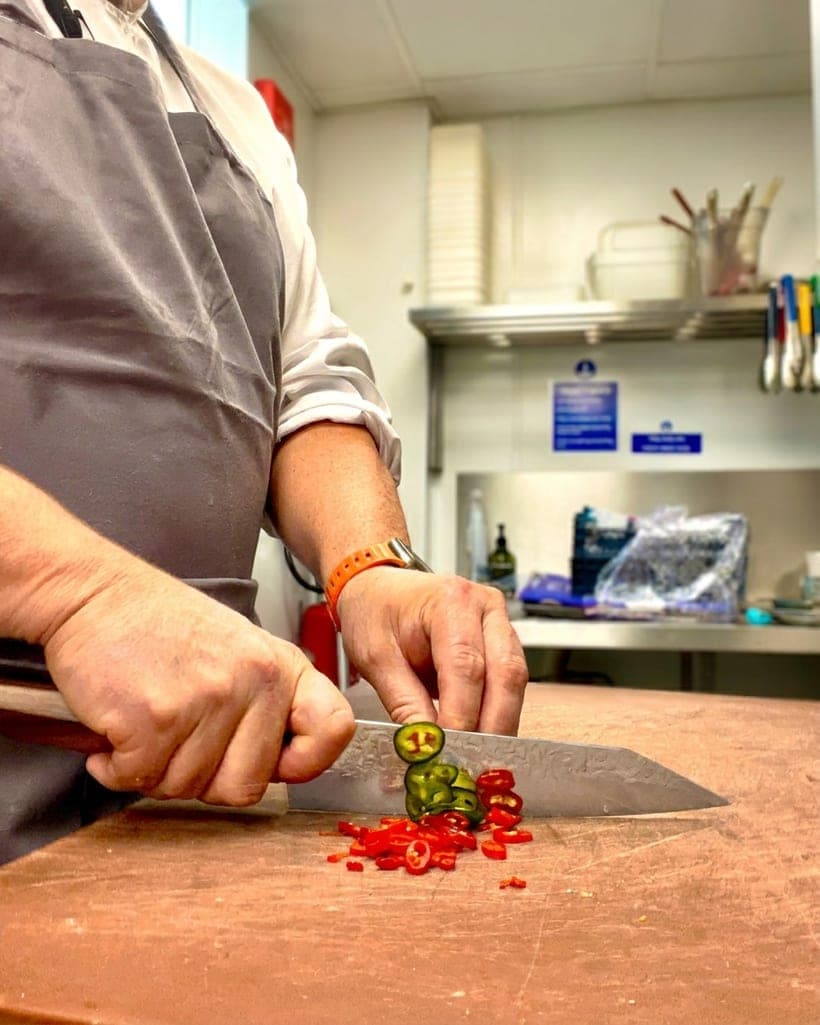
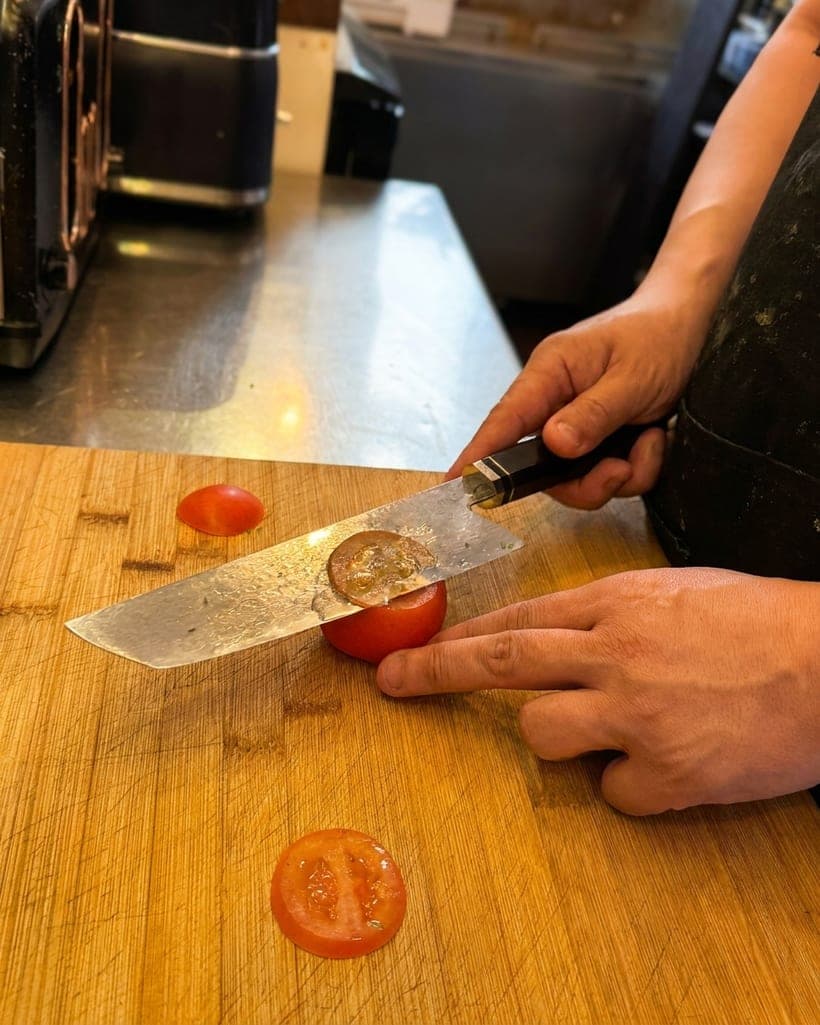
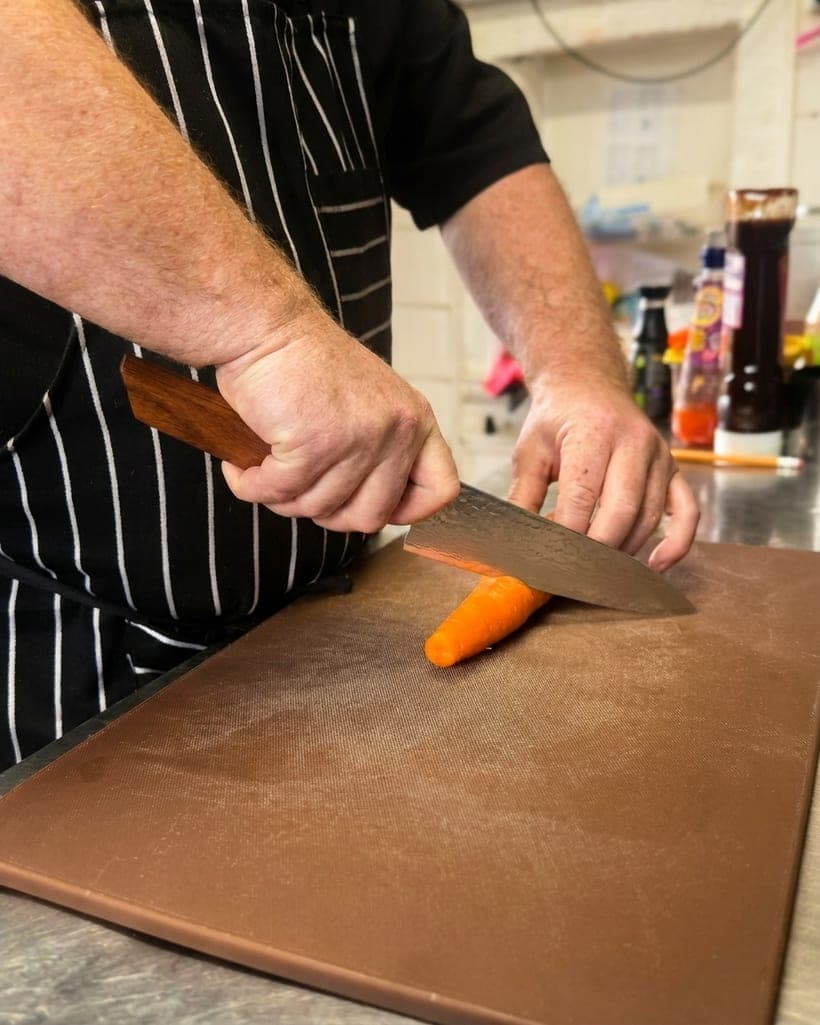
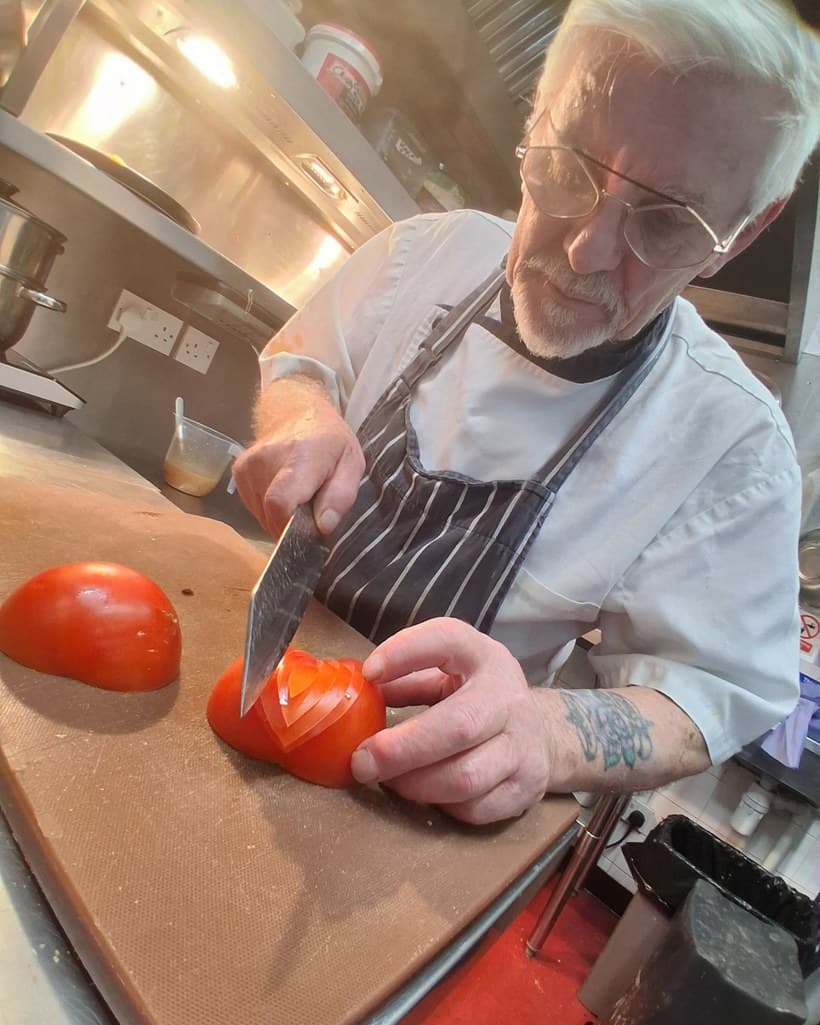
The first thing you will notice is sharpness. A quality Japanese-style knife usually has a finer edge than the average Western blade, which helps it glide through ingredients with less tearing and less pressure. That translates directly into better prep - cleaner onion cuts, herbs that stay fresh-looking, and fewer squashed tomatoes.
Edge retention matters next. A knife that holds its edge well stays enjoyable to use instead of fading after a short burst of performance. For a home cook, that means less frequent maintenance and more consistent results over time.
Weight matters too. Many people assume heavier means better, but for everyday prep, lighter can be a real advantage. A well-balanced lighter knife often reduces fatigue and increases control, especially during longer sessions of chopping and slicing.
The one caution is that thinner, harder blades reward proper use. They are excellent for produce and boneless proteins, but they are not meant for twisting through hard squash carelessly or hacking through bone. Better performance comes with a little more respect for technique.
Best knives for everyday prep by cooking habit
If you meal prep often, a Gyuto usually gives you the most range. It handles volume well and transitions smoothly between vegetables, proteins, and herbs.
If you mostly cook fast weeknight dinners, a Santoku often feels ideal. It is quick, nimble, and easy to control on smaller boards.
If you cook plant-forward meals, a Nakiri can make prep noticeably more enjoyable. It turns repetitive vegetable work into something cleaner and faster.
If you are buying a gift, the safest choice is usually a Santoku or 210mm Gyuto. Both feel premium and useful without demanding specialist knowledge from the person receiving them.
What to avoid when buying an everyday knife
Overspecialising is the most common mistake. A Kiritsuke or Bunka can be beautiful and capable, but they are not always the easiest first choice for someone simply trying to upgrade daily cooking. A dramatic profile is not automatically a better fit.
The second mistake is buying a large set when one excellent knife would do more for your cooking. Most home cooks get more real value from a single premium prep knife than from six average blades filling a block.
The third is ignoring comfort. Handle shape, balance, and blade length matter every bit as much as steel type. A knife can be technically impressive and still feel wrong in your hand.
The best upgrade is the one you will use daily
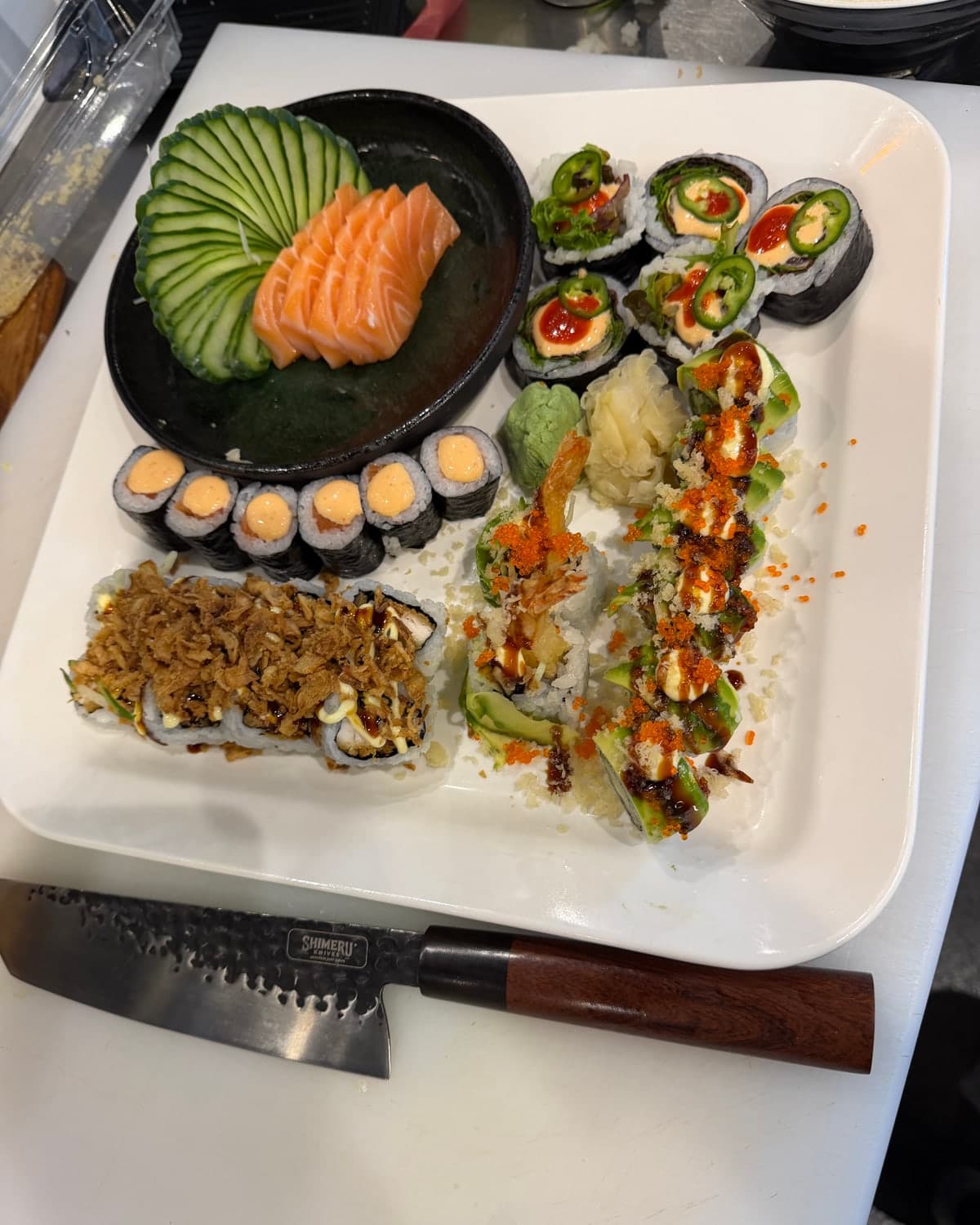
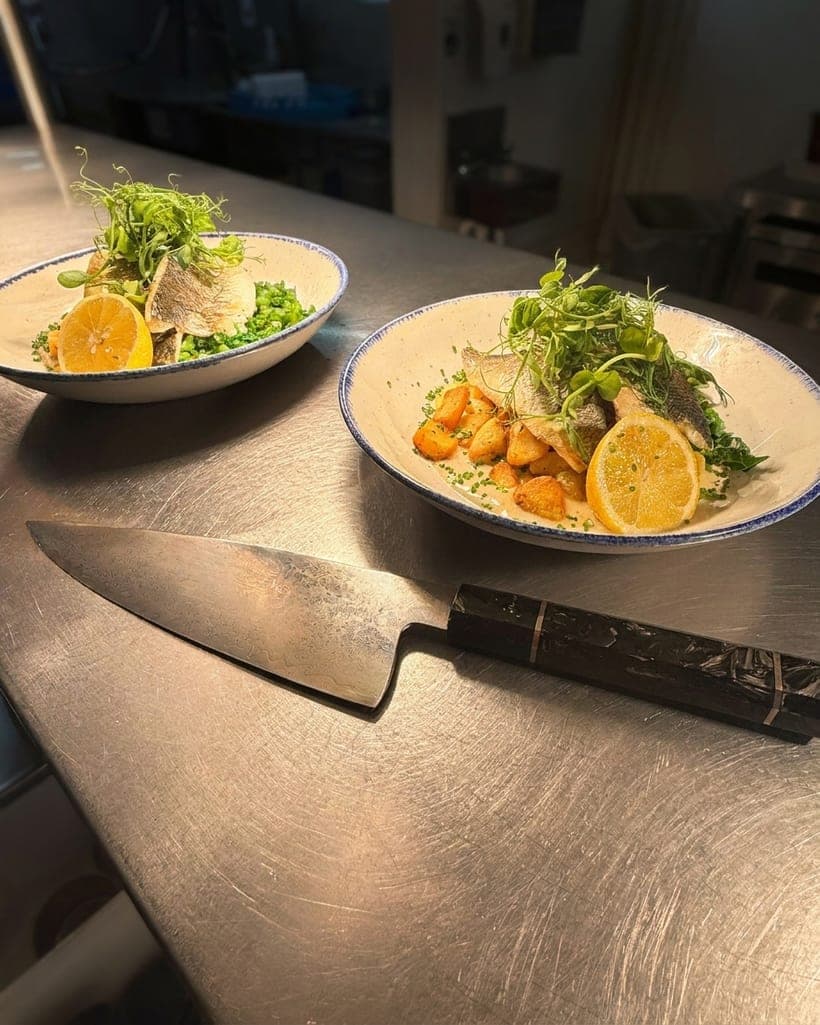
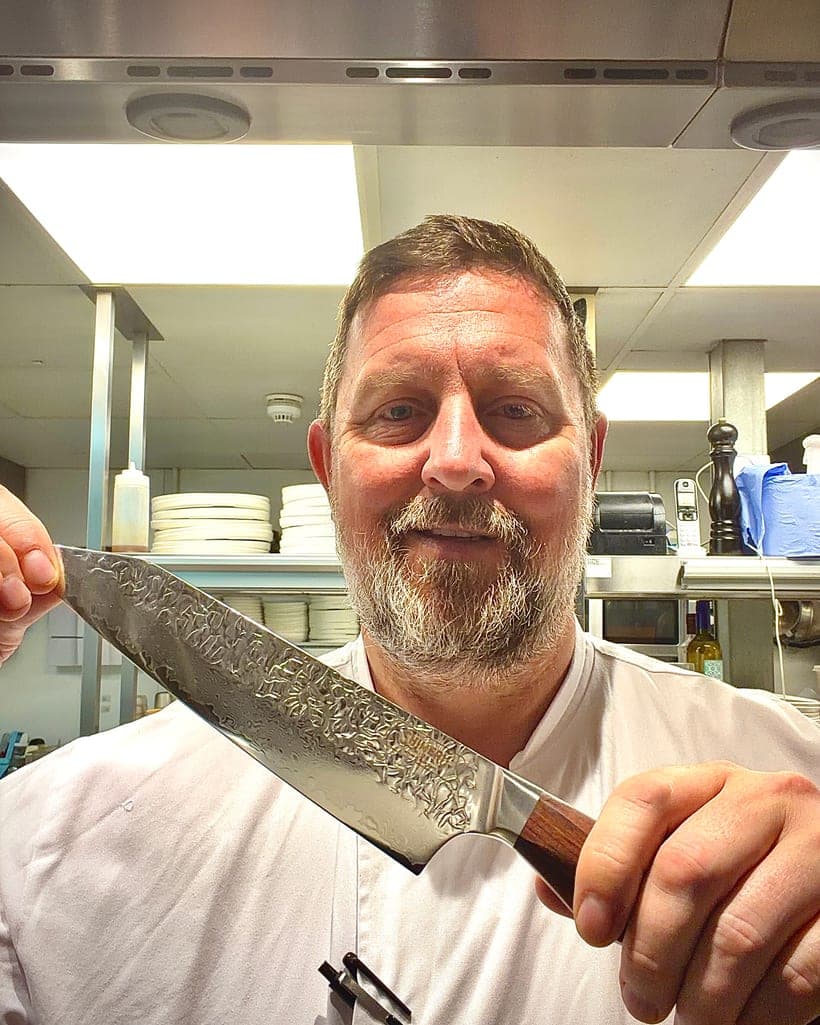
The appeal of a well-made Japanese knife is not only craftsmanship, though that matters. It is the practical pleasure of prep that feels smoother, cleaner, and more confident every single day. That is why brands like Shimeru focus on bringing Japanese-steel performance into real home kitchens, not treating it like an insider category reserved for professionals.
If you are deciding where to start, keep it simple. Choose a Gyuto for maximum versatility, a Santoku for all-purpose ease, or a Nakiri if vegetables are your daily rhythm. The right knife should not ask you to cook differently. It should make the way you already cook feel sharper, lighter, and far more satisfying.
A good everyday knife earns its place quietly - one onion, one herb bundle, one weeknight dinner at a time.