

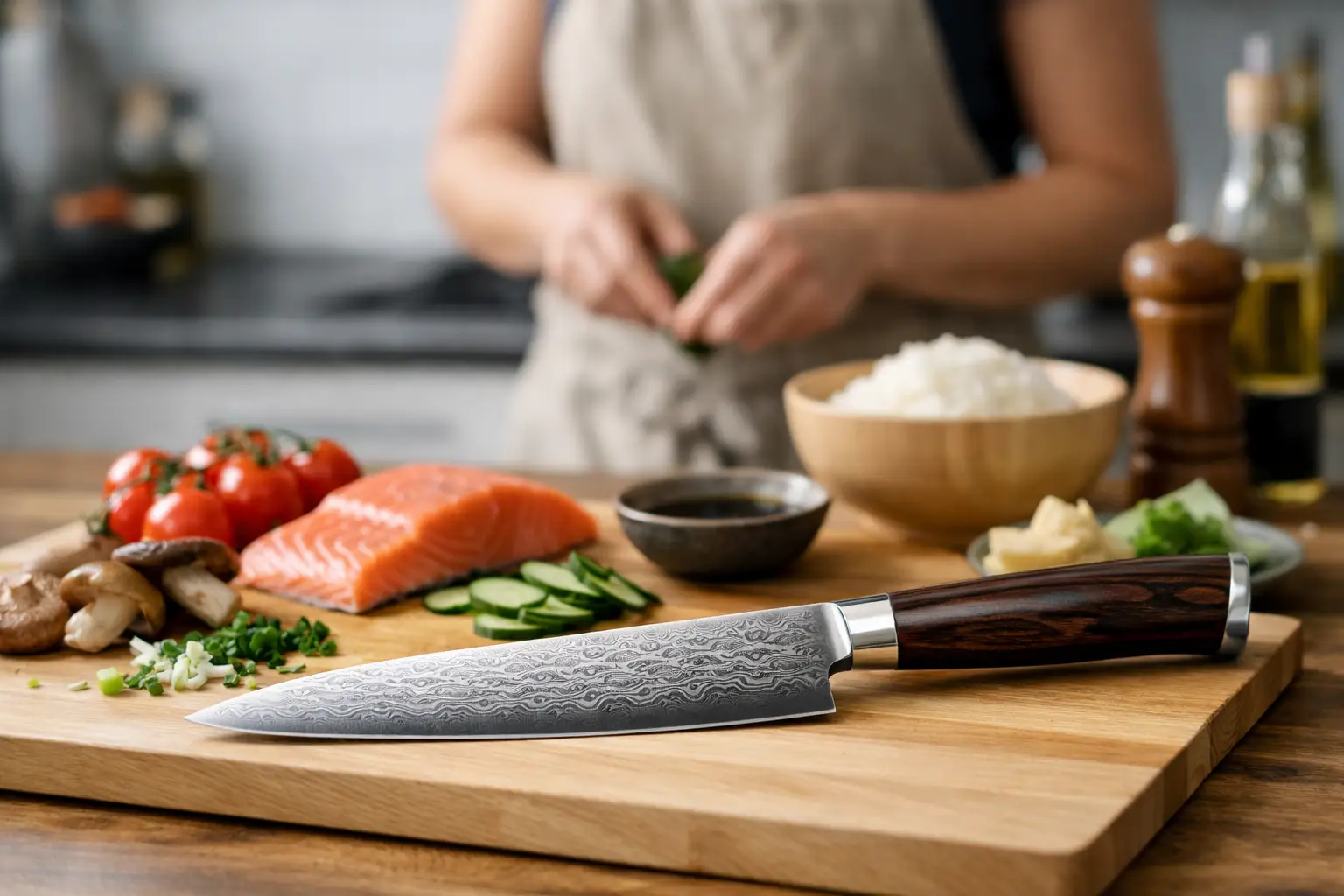
Are Japanese Chef Knives Good for Home Cooks?
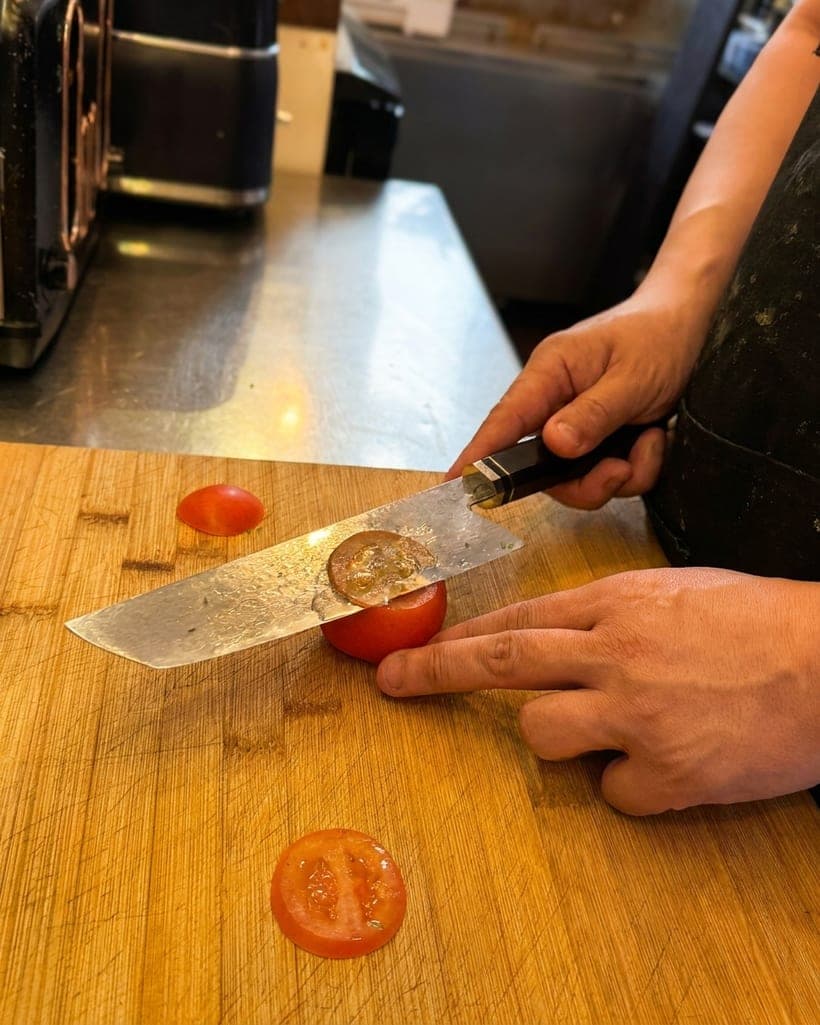
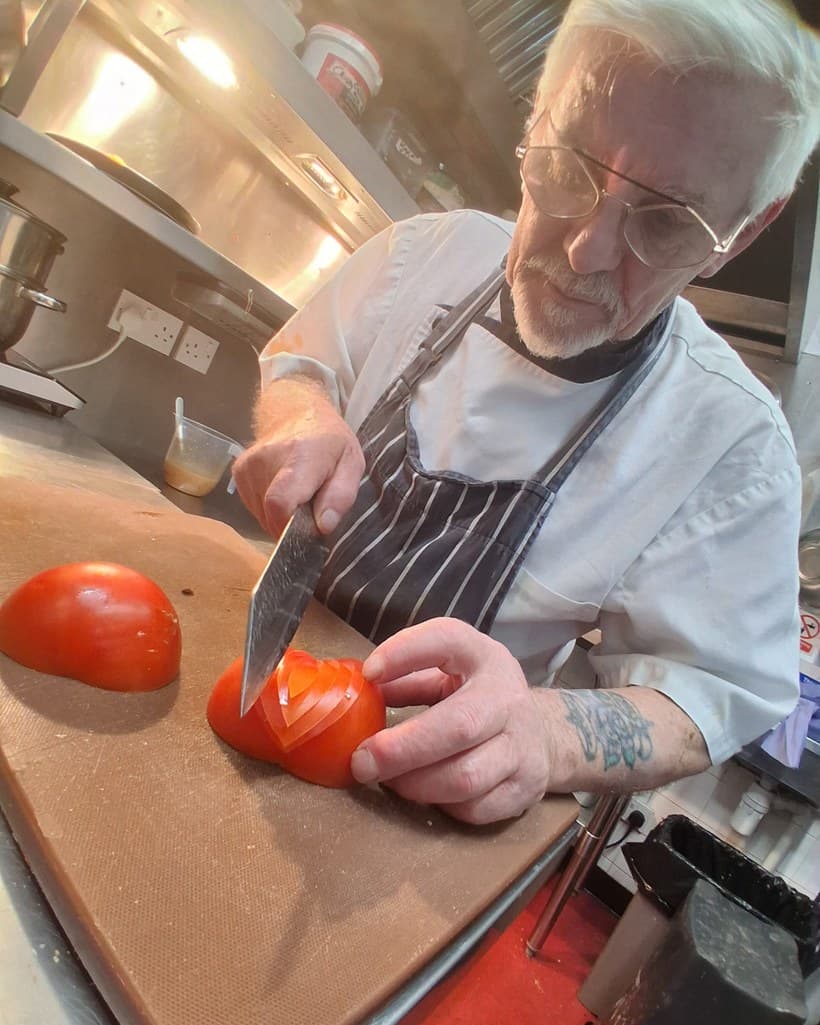
If you have ever sliced a ripe tomato with a dull supermarket knife, you already know why people ask whether Japanese chef knives are worth the investment. The short answer is yes – often remarkably so. But what makes them feel better in use is not hype or mystique. It is the combination of sharper factory edges, harder steel, lighter handling, and blade shapes designed to make prep feel cleaner and more controlled.
That does not mean every Japanese knife is automatically better for every cook. It means the right one can be a serious upgrade if you value precision, comfort, and the simple pleasure of using a tool that responds exactly the way you want it to.
Are Japanese chef knives good compared to Western knives?
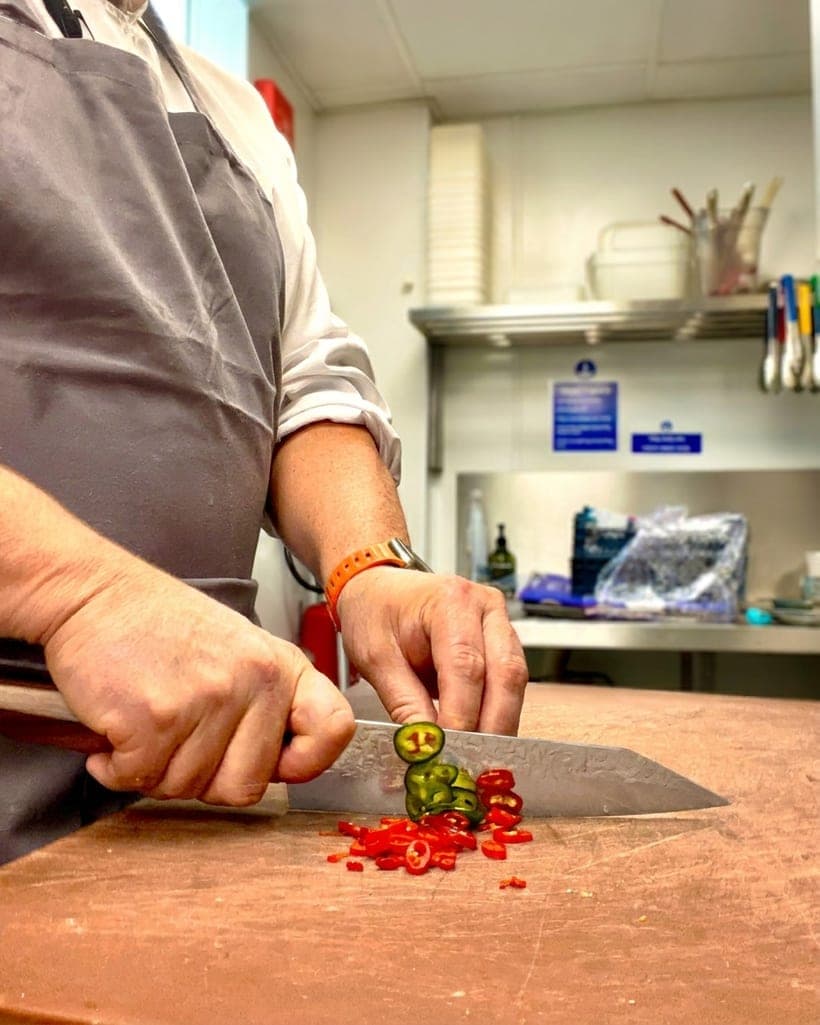
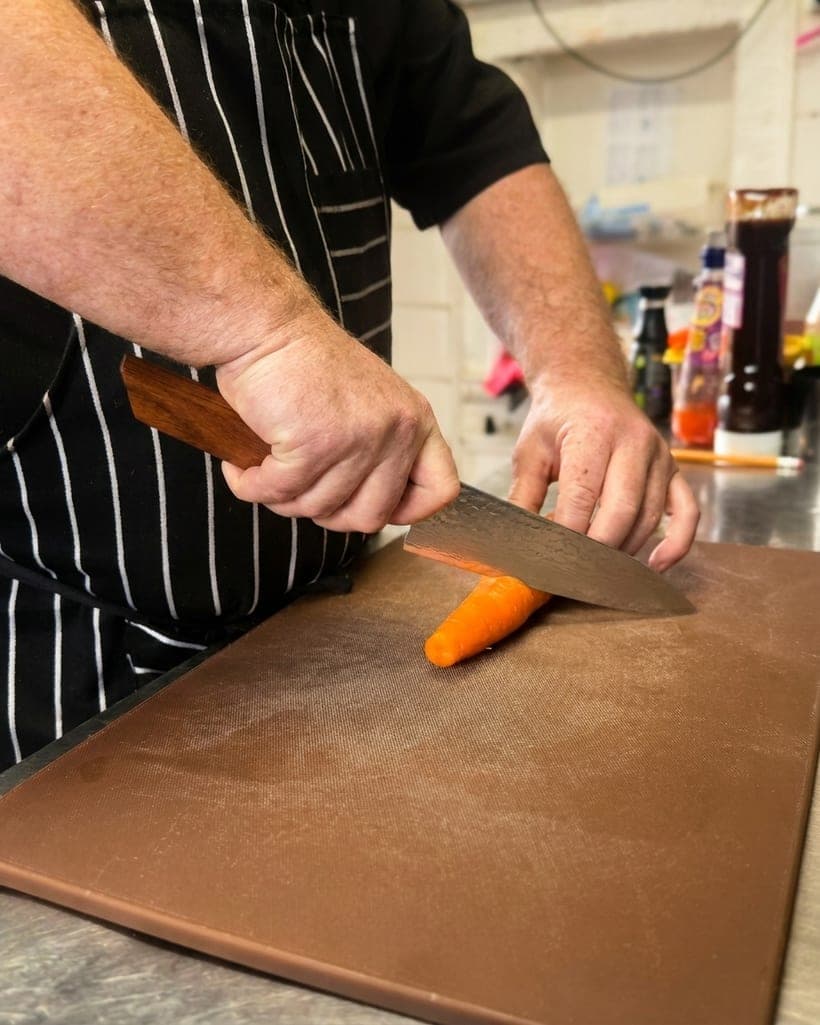
In many kitchens, yes. Japanese chef knives are typically thinner behind the edge than standard Western-style knives. That thinness matters because it helps the blade move through onions, herbs, proteins, and firm vegetables with less resistance. Instead of cracking or wedging food apart, the knife tends to glide through it.
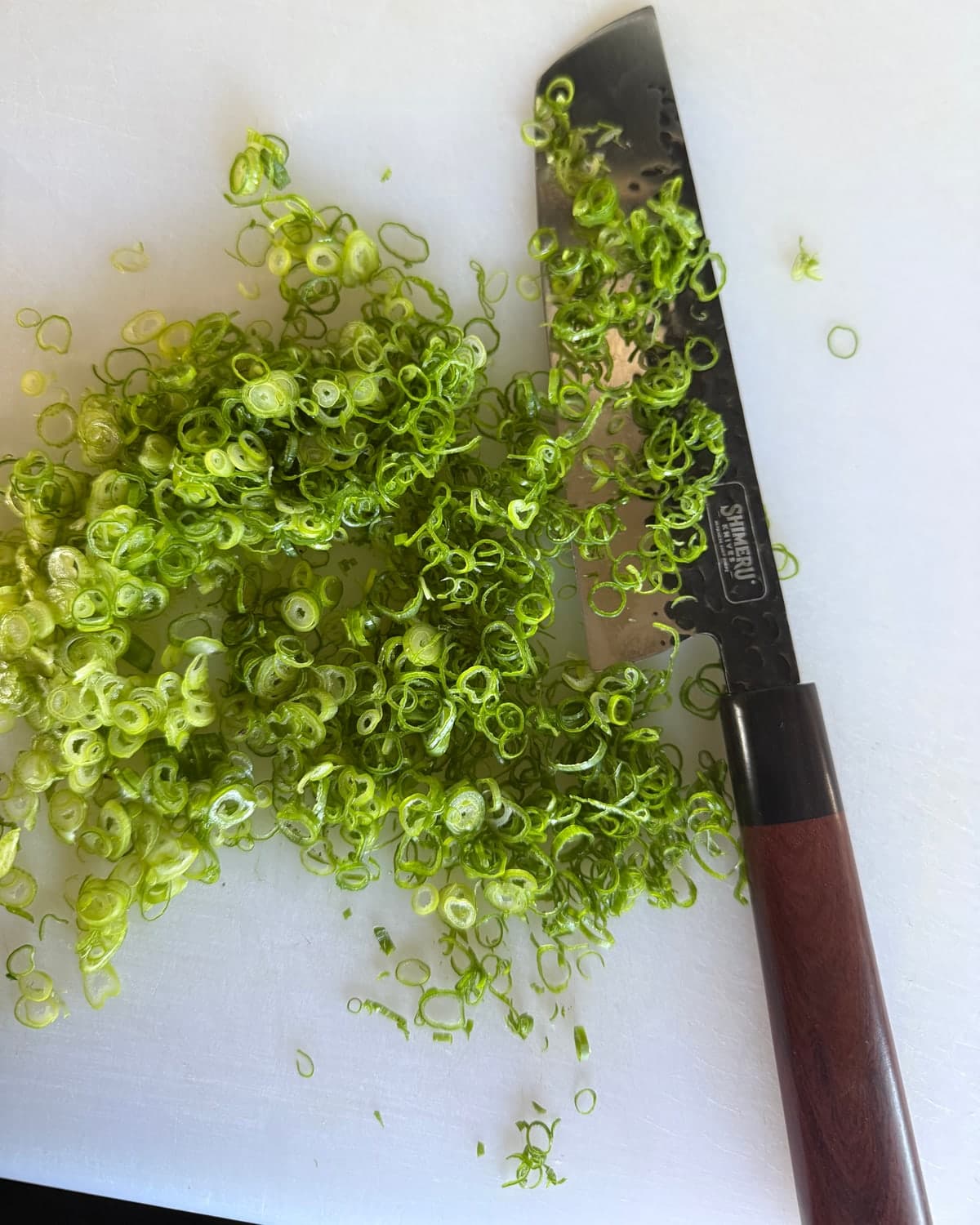
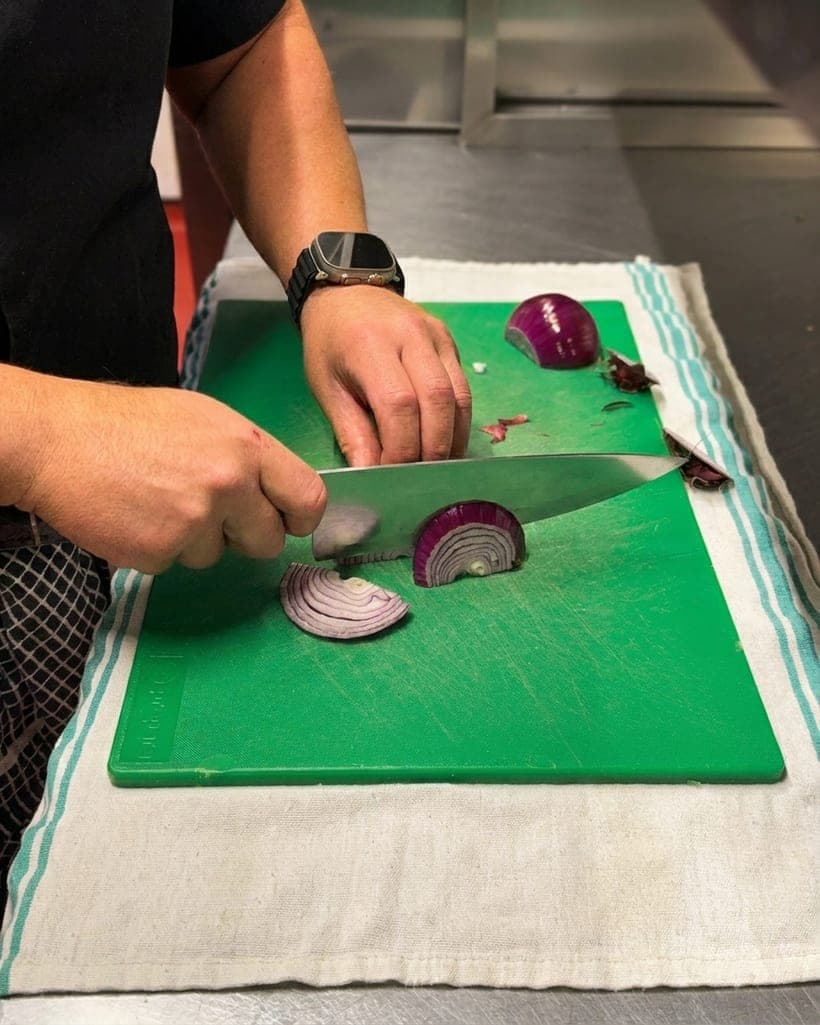
For a home cook, that changes the everyday experience more than most people expect. Dicing onions becomes neater. Slicing chicken breasts feels smoother. Herbs bruise less. You use less force, which usually means better control.
Western knives still have strengths. They are often heavier, softer, and more forgiving if you are rough on your tools. If you habitually twist the blade through squash, scrape the edge across the cutting board, or toss your knife in the sink, a heavier German-style knife may tolerate that abuse a little better. Japanese knives reward a more intentional style of cooking.
So the real comparison is not simply good versus bad. It is precision versus ruggedness, finesse versus brute force. Most home cooks who upgrade notice the precision first.
Why Japanese knives feel so different
The appeal starts with edge geometry. Many Japanese-style blades are sharpened to a more acute angle than mass-market Western knives. That finer edge is a major reason they arrive feeling exceptionally sharp.
Steel also plays a role. Japanese knives often use harder steel, which allows the edge to stay sharp longer under normal use. For a home cook, that means fewer frustrating weeks where your knife slowly turns from a pleasure into a chore. Edge retention is one of those benefits you appreciate quietly, day after day.
Weight and balance matter too. A lot of Japanese chef knives are lighter than Western equivalents, especially in Gyuto and Santoku formats. That lighter build does not mean flimsy. It usually means the knife feels nimble, quick, and easy to guide. If you prep often, that reduced fatigue becomes part of the value.
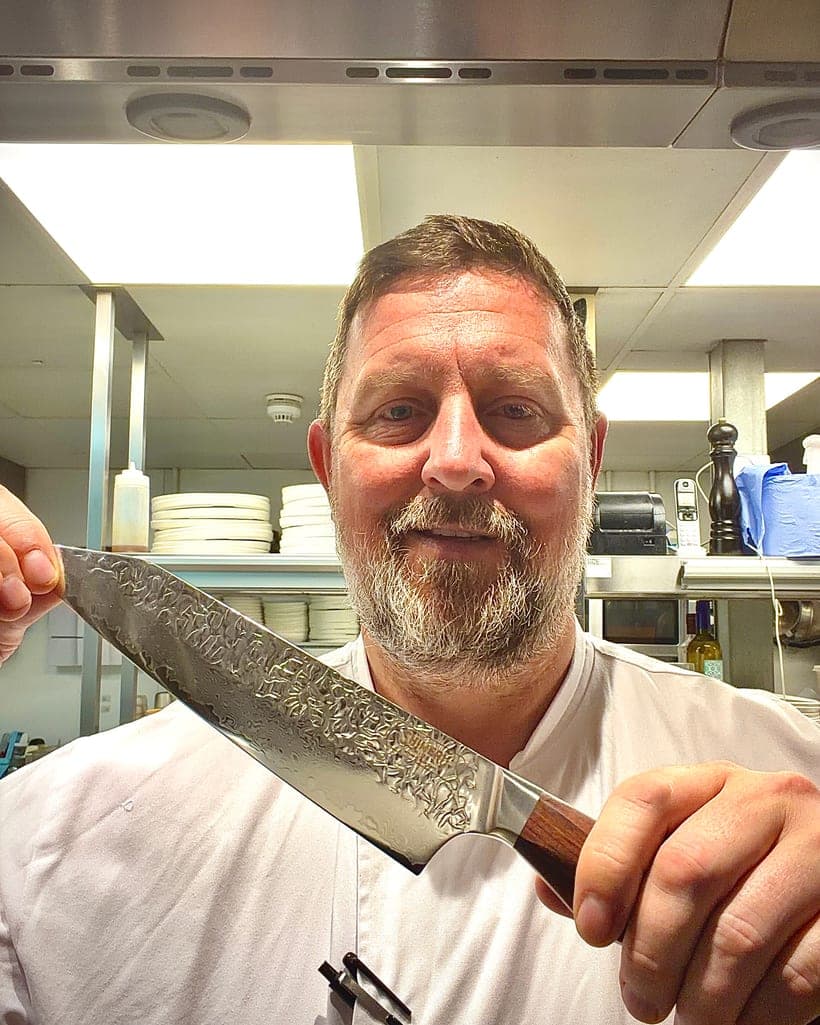
Then there is craftsmanship. Good Japanese knives tend to feel considered. The handle, grind, profile, and finish are usually designed around performance, not just appearance. Even for a capable beginner, that makes a difference you can feel immediately.
The trade-offs are real
A good buying guide should say this clearly: Japanese chef knives are not magic, and they do ask a little more from you.
Harder steel can hold an edge well, but it can also be less forgiving if misused. If you chop through bones, frozen food, or very hard squash with poor technique, you increase the risk of chipping. These are not cleavers disguised as chef knives. They are precision tools.
Maintenance is another factor. Not every Japanese knife is high-maintenance, but many perform best when hand-washed, dried promptly, and stored properly. You do not need to become a knife obsessive. You do need to avoid the dishwasher and a sink full of utensils.
Sharpening can feel intimidating at first. The good news is that you probably will not need to sharpen constantly, especially if you choose a quality knife with strong edge retention. When the time comes, a whetstone or a trusted sharpening service will keep the knife performing the way it should.
For many home cooks, these are reasonable trade-offs. Better performance asks for better habits. That is not a flaw. It is part of what makes the knife feel premium.
Which Japanese knife is best for most people?
If you are moving up from a basic knife block, the best first choice is usually not the most specialised blade. It is the knife that covers the most ground in everyday cooking.
Gyuto
The Gyuto is the Japanese answer to the classic chef knife, and for many people it is the best place to start. It is versatile, elegant, and comfortable for slicing, dicing, mincing, and general prep. If you cook a mix of vegetables, meat, and herbs, a Gyuto gives you the broadest range.
Santoku
The Santoku is slightly shorter and often flatter than a Gyuto. It feels approachable, easy to control, and especially good for home cooks with smaller cutting boards or compact kitchens. If your cooking leans heavily toward vegetables, boneless proteins, and fast weeknight prep, a Santoku can be an excellent fit.
Nakiri and other shapes
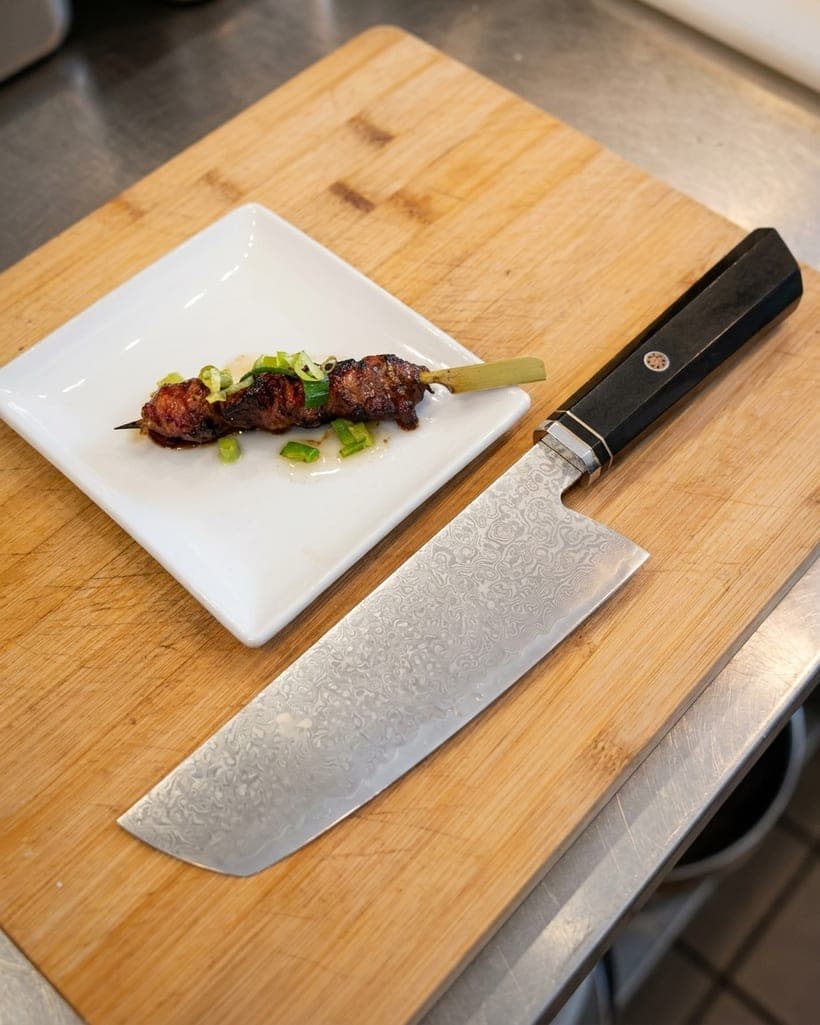
A Nakiri is brilliant for vegetables, but it is more specialised. A Bunka or Kiritsuke can be fantastic in skilled hands, though they are often chosen by people who already know what they like in a blade profile. For most buyers, a Gyuto or Santoku is the smart first step.
This is where Japanese knives become accessible rather than intimidating. You do not need to master every blade style. You just need one that suits how you cook.
Are Japanese chef knives good for beginners?
Yes – provided the beginner is the kind of cook who values better tools and is willing to use them properly.
There is a persistent idea that Japanese knives are only for professionals, collectors, or people who know the difference between every steel type on the market. In practice, many are ideal for confident beginners and hobby cooks because the benefits are immediate. Sharper cuts. Better balance. Less drag. More confidence at the board.
The key is choosing the right knife rather than the most extreme one. A well-made, approachable Japanese-style Gyuto or Santoku gives a home cook a real performance upgrade without demanding specialist knowledge.
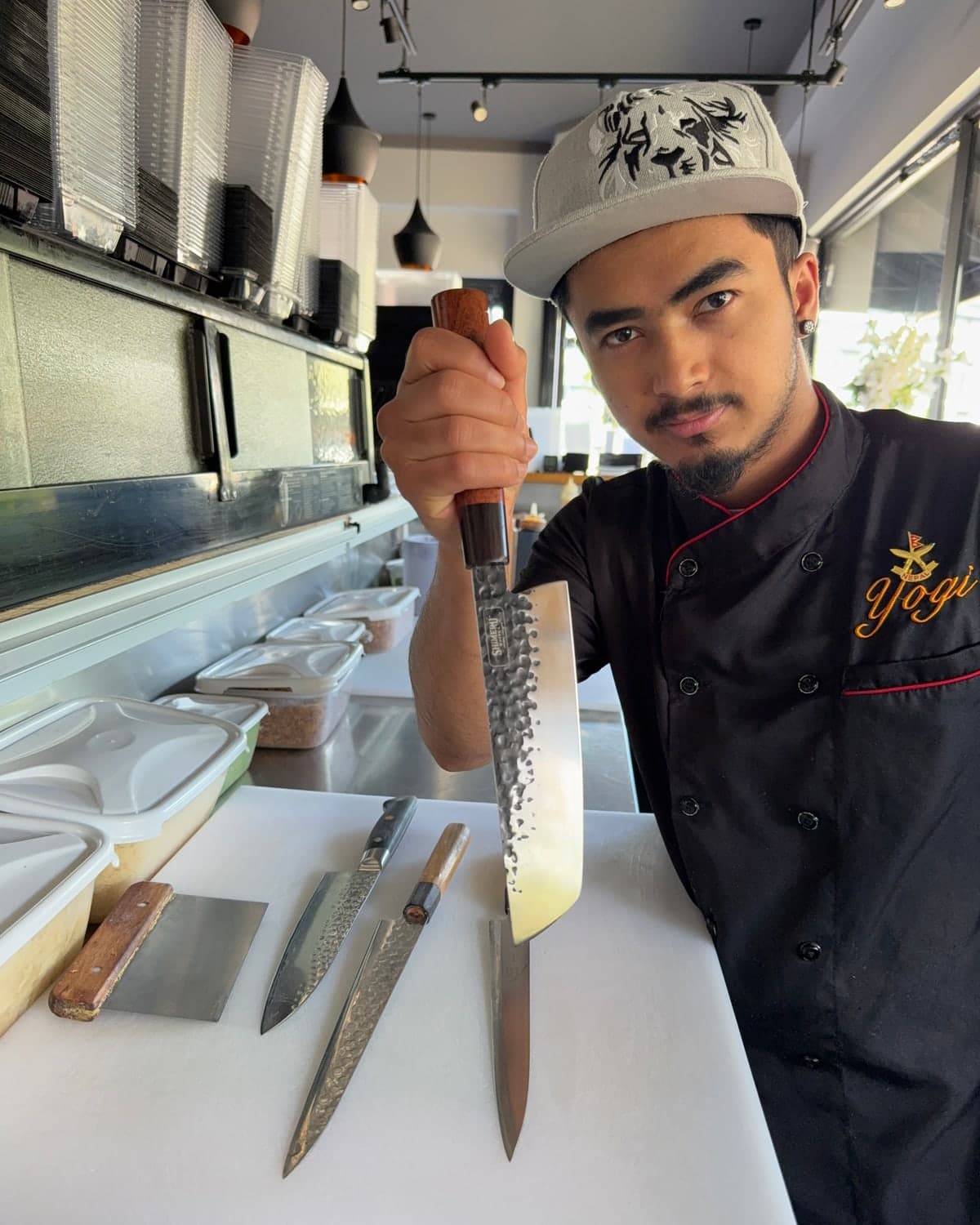
That is also why brands like Shimeru Knives focus on guided buying rather than jargon. Most people do not need a lecture on metallurgy. They need to know how the knife will feel when they slice an onion, trim salmon, or prep dinner after work.
What makes a Japanese knife worth the money?
Value is not just about sharpness out of the box. Plenty of cheap knives can feel sharp for a short while. What justifies the price of a better Japanese chef knife is the total package: edge retention, balance, fit and finish, steel quality, comfort, and consistency.
A good one can make cooking feel smoother every single day. That is why it often lands well as a wedding gift, housewarming present, or milestone purchase. You are not buying a novelty. You are buying a tool that gets used constantly.
It also helps that one excellent knife often replaces a drawer full of mediocre ones. Many home cooks discover they reach for the same Japanese chef knife for nearly everything. Fewer tools, better performance, more enjoyment – that is a strong value equation.
When a Japanese chef knife may not be the right fit
If you want one knife to hack through bones, pry open packages, survive the dishwasher, and live loose in a junk drawer, this is probably not your category.
If several people in your household use knives carelessly, a softer and heavier Western blade may be the lower-stress option. And if you prefer a very weighty knife that does the work through mass alone, some Japanese knives may feel too light at first.
That said, many people adapt quickly. What feels light on day one often feels precise by week two. What seems delicate at first usually reveals itself as controlled and efficient once your technique catches up.
So, are Japanese chef knives good?
They are very good – often excellent – for home cooks who want cleaner cuts, longer-lasting sharpness, lighter handling, and a more refined cooking experience. Their reputation is well-earned, but the best reason to buy one is not tradition or trend. It is performance you can feel every time dinner starts on the cutting board.
If you are ready for a knife that makes prep easier, more accurate, and more enjoyable, a Japanese chef knife is not an indulgence. It is one of the smartest upgrades a home kitchen can make.
Choose the shape that matches your habits, treat it with a little care, and it will return the favour every time you cook.