




Which Japanese Knives Are Best for Cutting Cheese?
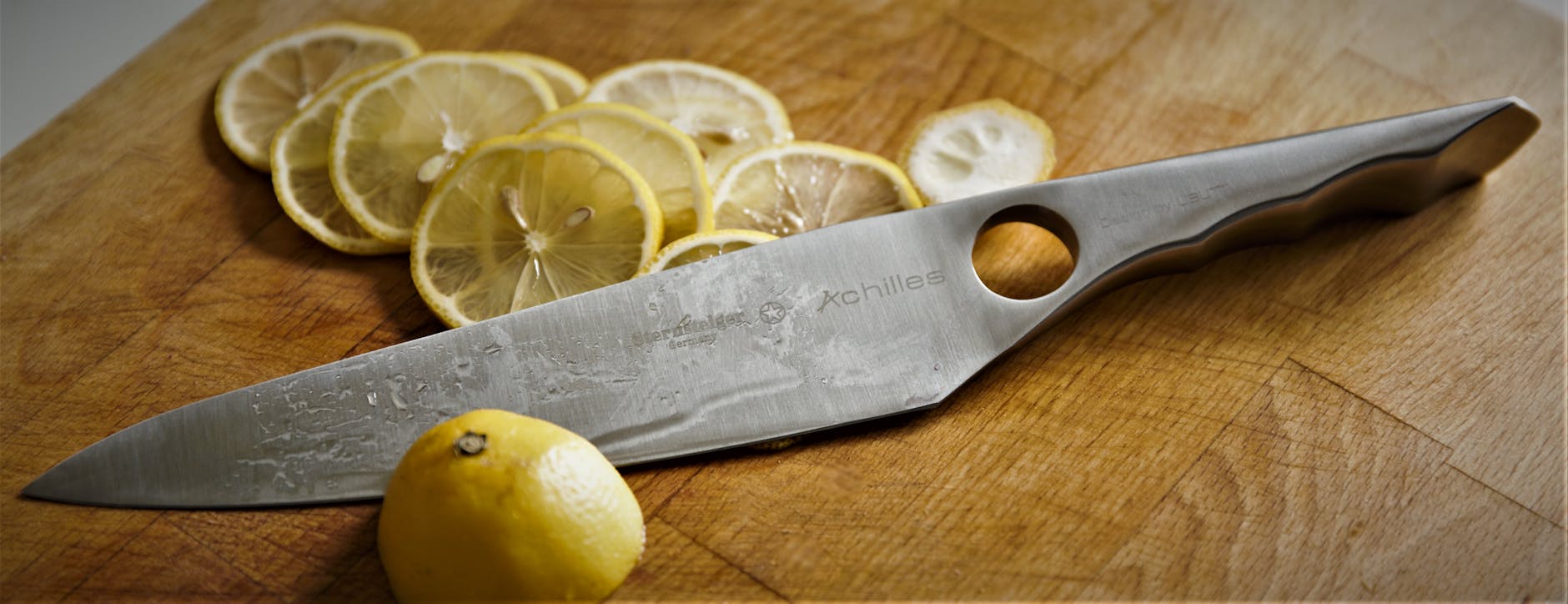
In an age when every slice is expected to be Instagram-perfect, and the simple act of sharing cheese and crackers verges on art form, the humble knife has never been more scrutinized. In particular, the allure of Japanese knives—a product of centuries of craftsmanship and culture—has captivated Western kitchens. Japanese blades have swept into foodie consciousness as the ultimate expression of slicing precision, forever changing how we approach not just sushi, but bread, fruit, and even cheese. Yet, for all their fame, few know how exquisitely suited certain Japanese blades are to that singular question asked at so many gatherings: Which knife should I use to cut the cheese?
At first glance, pairing Japanese knives with cheese might seem a curious proposition. After all, French cheese boards historically danced with sabres and double-handled wire knives, deliberate in their continental ceremony. Japanese blades are traditionally honed for fish, vegetables, and meats central to Asian cuisine. But dig deeper and a world of synergy reveals itself. Japanese knives, designed for precision, sharpness, and minimal drag, can handle the unique textures and demands of cheese like few other tools.
The world of cheese is itself wildly diverse. There are bloomy soft ripened cheeses, dense aged blocks, crumbly blues, and springy fresh varieties. Each presents unique physics and chemistry: humidity content, fat composition, rind toughness, internal creaminess, and aroma volatility. The right knife not only ensures an appetizing presentation, but preserves the cheese’s structure and flavor. The challenge lies not just in finding a sharp edge, but in matching the knife’s design with the cheese’s characteristics.
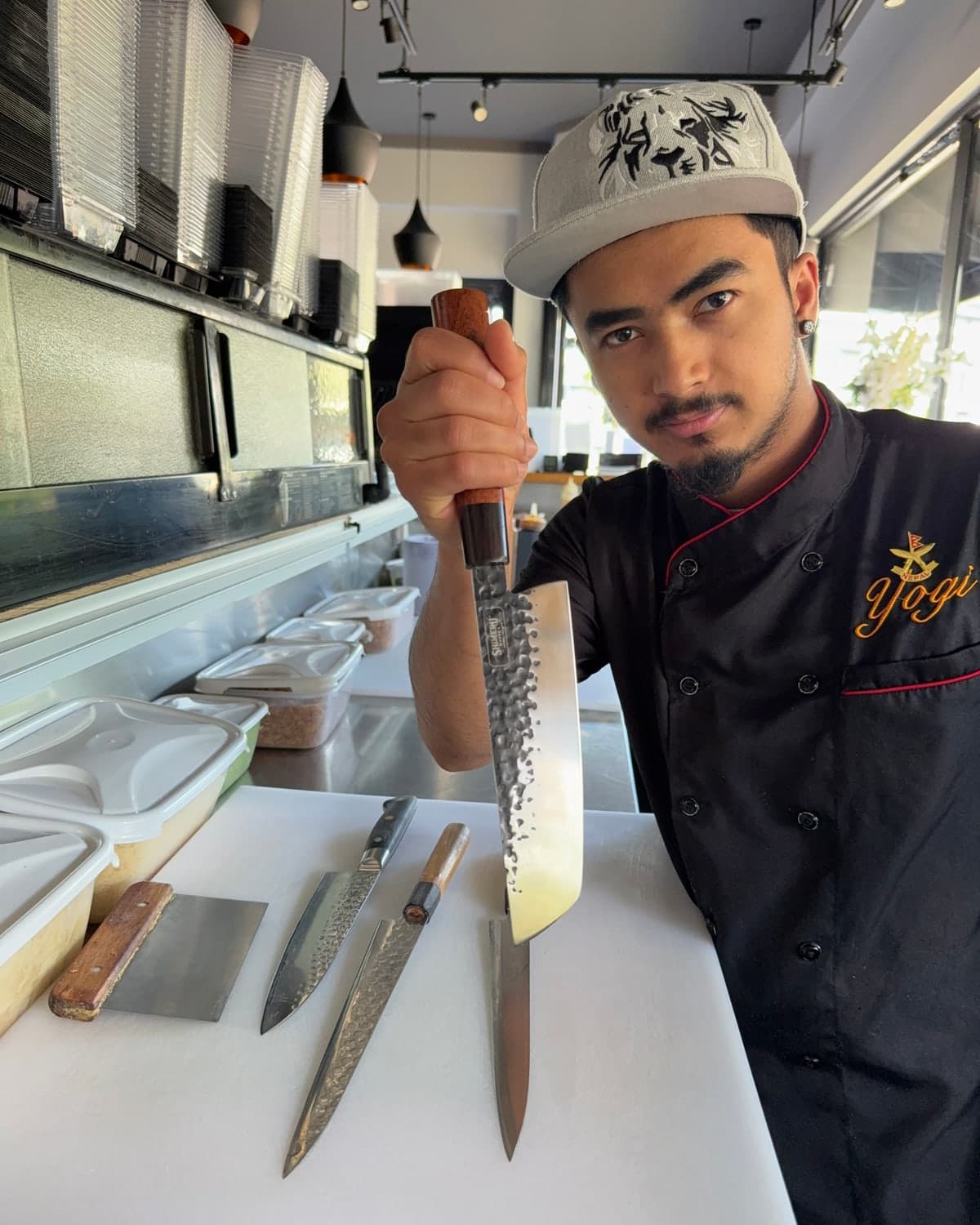
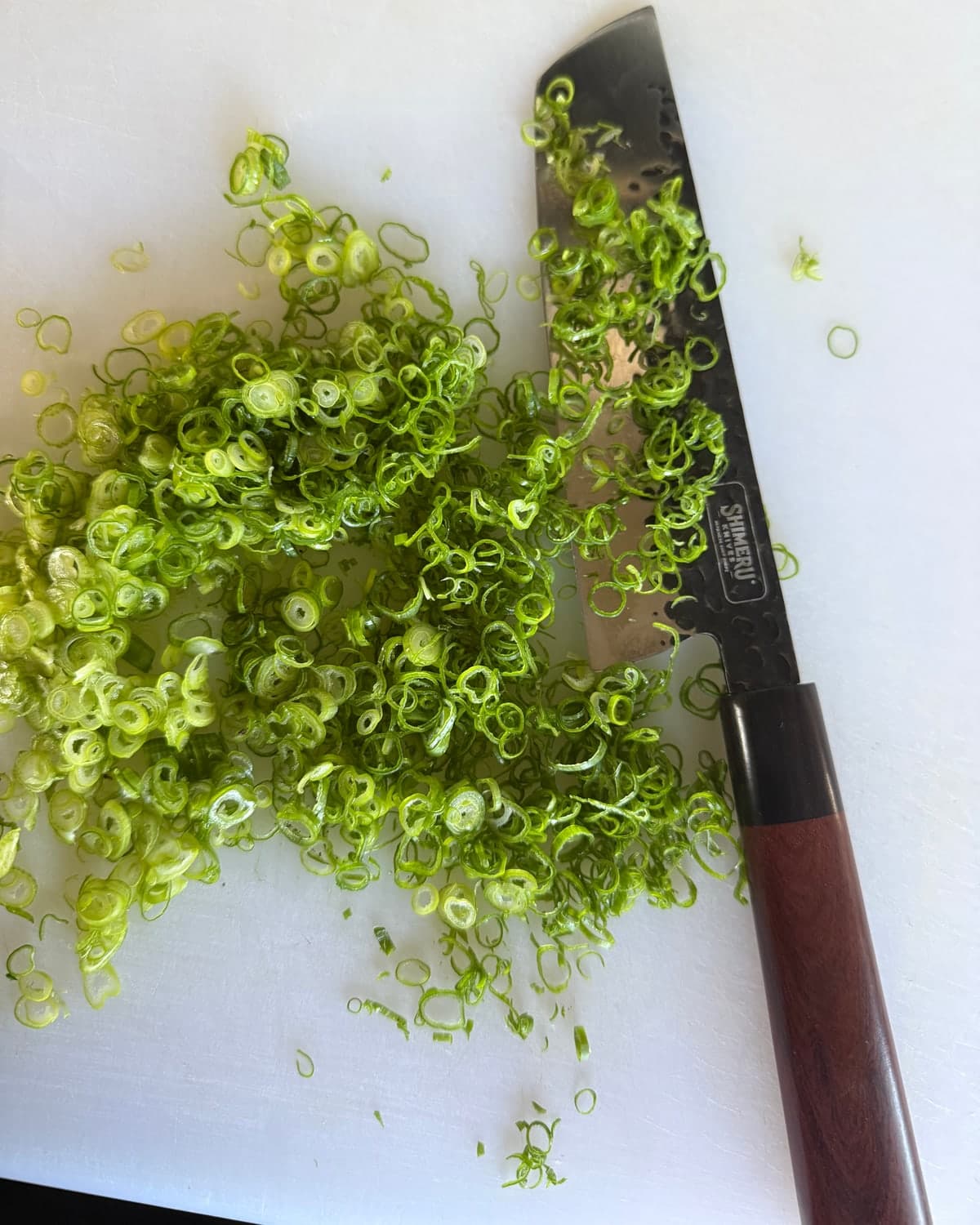
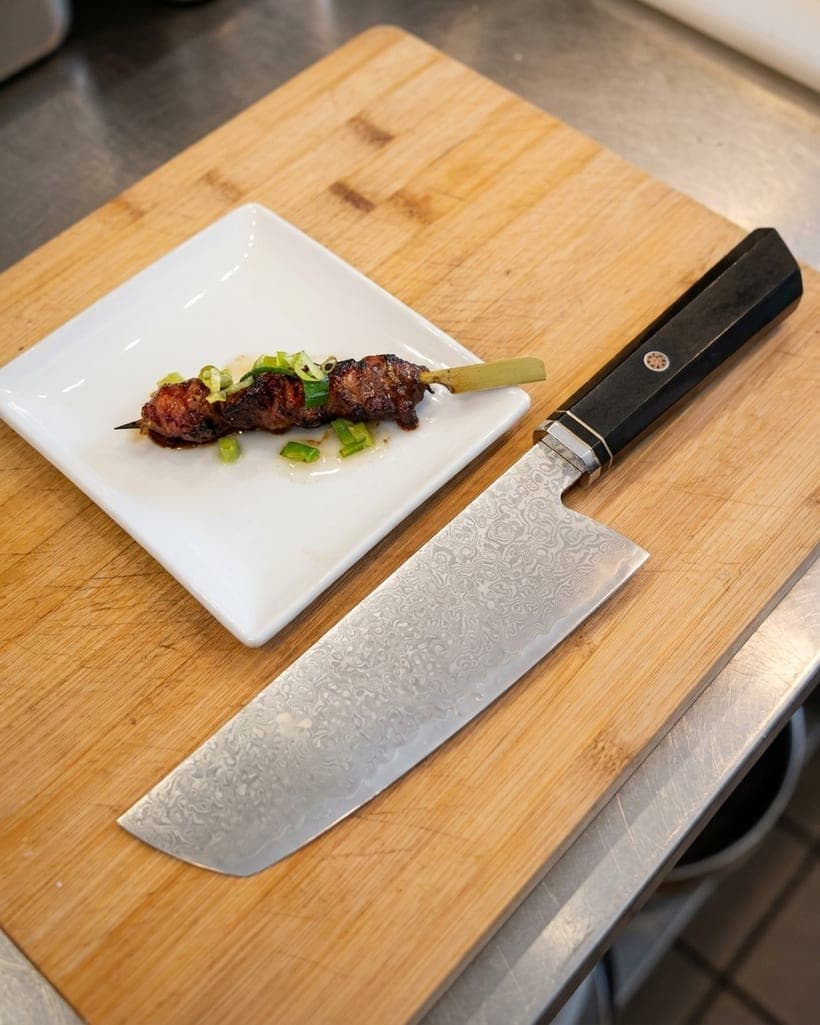
For those new to Japanese cutlery, the array of shapes and names can overwhelm. But a closer look reveals clear front-runners particularly suited for cheese lovers. The Nakiri, with its straight-edged, double-beveled rectangular blade, was born for precision work on items with resistance and moisture—think vegetables, but also young, fresh cheeses like mozzarella or burrata. Its thin profile means you can glide through a ball of buffalo mozzarella with minimal deformation, preserving the oozy delight at the core.
For semi-firm cheeses such as aged cheddars or Gruyere, the Santoku emerges as a versatile candidate. Its word means “three virtues,” often interpreted as slicing, dicing, and mincing. However, the real genius of the Santoku lies in its granton edge—those hollow dimples along the side of the blade—which reduce friction and decrease stickiness. When tasked with cutting through a block of cheese that tends to cling and crumble, the Santoku’s blade ensures slices fall away with ease, minimizing waste and maximizing aesthetic.
Hard cheeses with formidable rinds, like Parmigiano-Reggiano or aged Gouda, require a more robust tool. Japanese deba knives, originally designed for filleting fish but lauded for their weight and sturdiness, can be a surprising ally. Their thick spine and pointed tip apply focused pressure, essential for breaking into hard heights while maintaining control. Yet, even here, there’s room for nuance. The deba, with its single-beveled edge, rewards a practiced hand: those new to Japanese knives must learn to guide its cut precisely, lest the angle proves tricky and the cheese splinters.
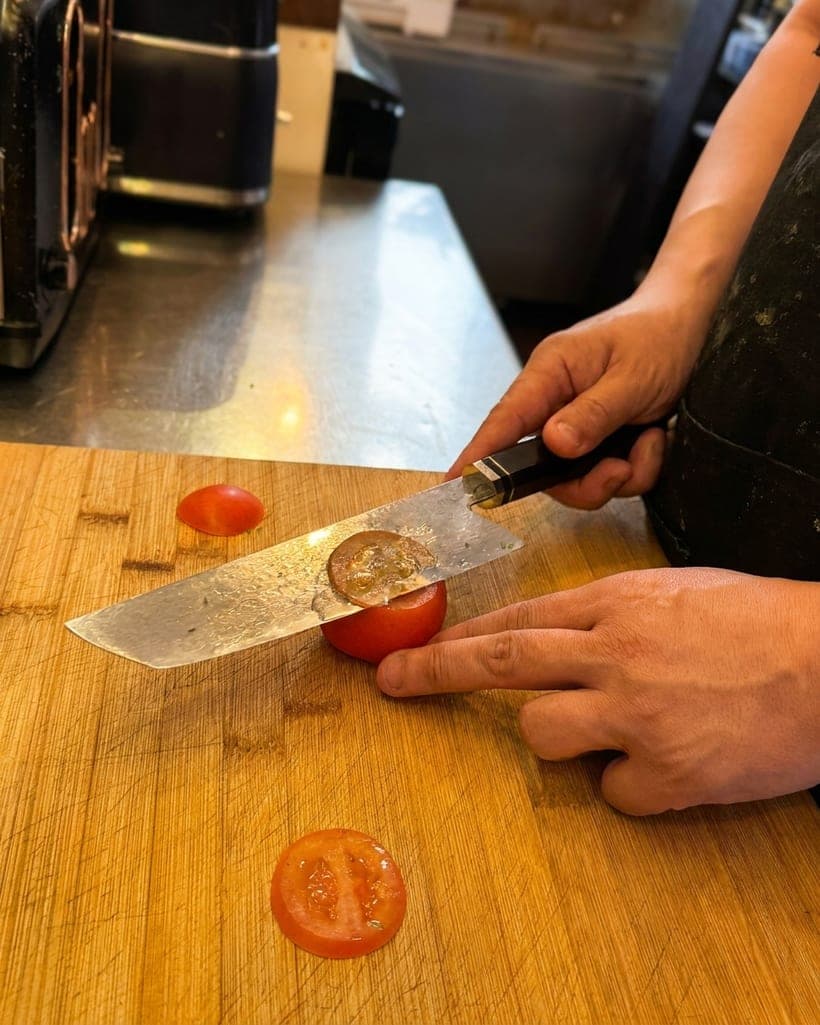
Perhaps the highest art is reserved for the finest soft cheeses: Brie, Camembert, or creamy blues like Roquefort. These demand delicacy. Enter the usuba or petty knife. The usuba, a vegetable specialist, possesses a thin, razor-sharp edge and a formidable flatness. With a moist wipe between each slice—a trick stolen from sushi chefs—it glides through tender cheeses, preserving the structure and keeping the luscious innards from escaping onto the platter.
Such pairings open a world of possibility, yet also highlight the challenges. Japanese knives, like any high-performance tool, carry a learning curve and demand respect. Their ultra-hard steel is brittle, and improper use can chip the edge. Their handles, often wooden and without a finger guard, offer less grip security than Western counterparts. For cheese, this presents a paradox: users must balance the blade’s delicate obedience with their power. Too much force, or the wrong technique, and the benefits are lost.
This brings us to perhaps the most intriguing opportunity: the bridge between Japanese precision and Western cheese culture is a meeting ground for experimentation. Over time, some Japanese knife artisans have adapted their lines to Western preferences, introducing hybrid shapes or culinary tweaks. Japanese cheese knives now exist, shaped like mini versions of classic blades but optimized for cheese’s challenges—combining granton edges, forked tips, and hollow-ground surfaces.
In Japan, cheese is still a relatively recent culinary addition, yet chefs and blade makers are showing inventive flair. Japanese fusion cheese shops—often run by Europeans living in Tokyo—are inspiring new forms in both presentation and tool design. This cross-pollination encourages us all to defy traditional pairings and look for the perfect blade for each cheese type, rather than defaulting to store-bought sets.
For the home cook, the ultimate lesson in choosing a Japanese knife for cheese is mindfulness. It is not about buying the most expensive blade or the one with the most exotic name. It is about attending to the qualities of the cheese—its texture, density, and fat content—and matching these with the knife’s geometry and finish. Pay attention to the sharpness and care routine. Invest time learning technique, and adapt your slice according to the situation. Consider combining traditional shapes: a Santoku for the main platter, a petty for more delicate portions, and perhaps a deba or modified gyuto for stronger cheeses.
Moreover, using Japanese knives for cheese provides an unexpected pleasure: the sense of ritual. Just as tea ceremonies or sushi preparation center on process, so does the act of slicing cheese. The sound as a blade glides through a creamy round, the thrill of lifting a perfect wedge, the satisfaction as a slice lands on the board intact—all are culinary joys amplified by the right tool.
The world is full of cheap, functional cheese knives. But for those seeking to elevate the everyday, exploring the precision and artistry of Japanese cutlery can transform not just the platter, but the entire experience of sharing cheese. It’s a quiet testament to the power of cross-cultural curiosity and the enduring allure of craftsmanship in the digital age. In the right hands, even the most humble piece of cheese becomes a canvas for artisanal expression.


