




The Yanagiba Knife: Slicing Tradition and Precision in Japanese Sashimi
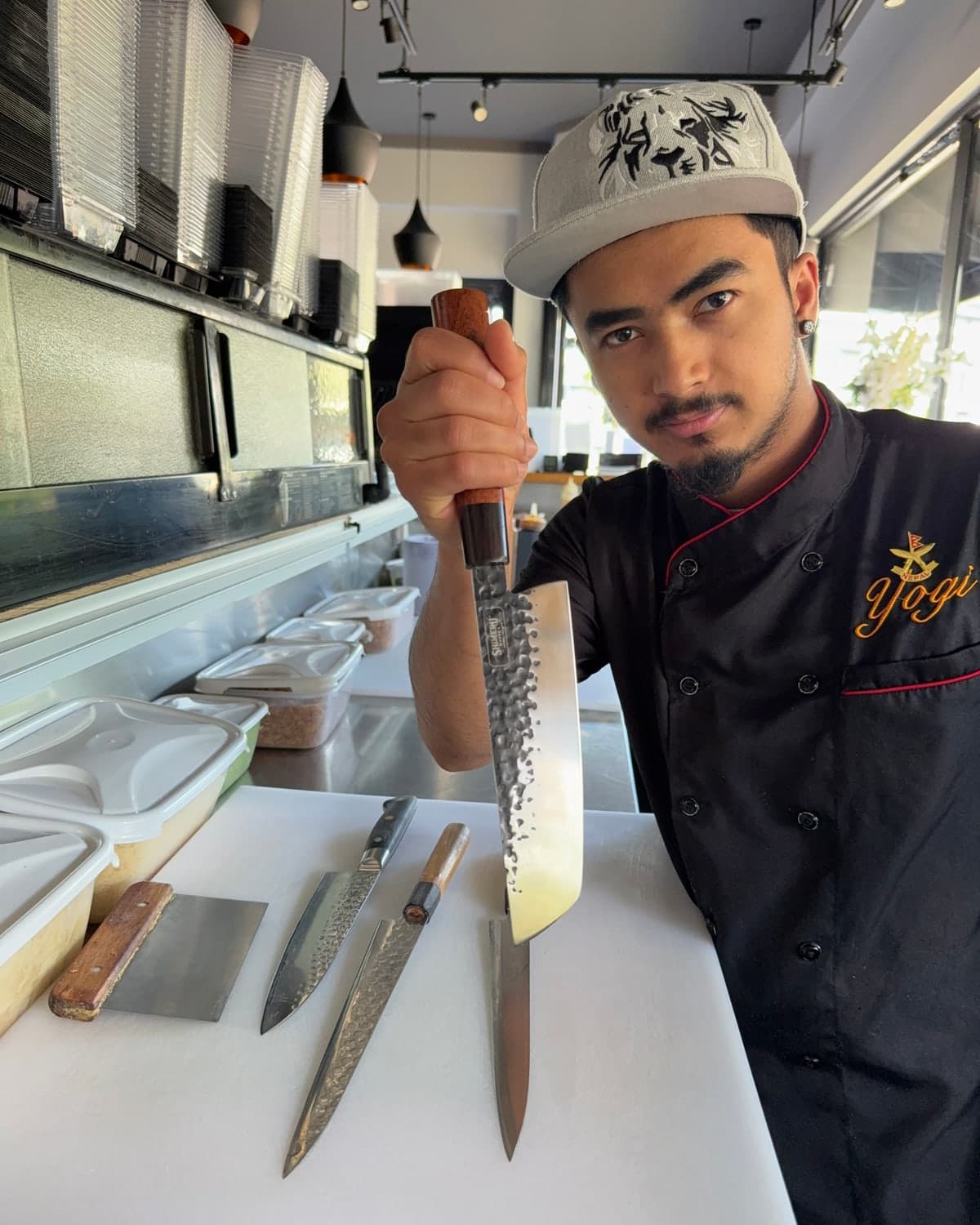
To the untrained eye, the Yanagiba knife is simply beautiful—sleek, elongated, and honed to a mirror finish, its spine reflecting the soft light of a sushi bar or the careful focus of a chef’s hands. But for those who truly understand the art of slicing sashimi, this single-bevel blade represents much more than an expensive piece of steel. It is a bridge that connects centuries of culinary tradition with the relentless demands of modern gastronomy, a symbol of Japanese precision, and a tool whose mastery separates ordinary knife skills from the subtle grace that great sashimi requires.
The story of the Yanagiba is entwined with the evolution of Japanese cuisine itself. Developed in the Kansai region, this specialty knife was designed for preparing raw fish that would be served as sushi or sashimi. Its name, which means “willow leaf,” suits its slender and slightly curved profile—an homage to both nature and the deliberate, flowing motions of skilled chefs. Watching a true craftsman carve through a glistening fillet with a Yanagiba is almost ceremonial, every slice an act of intention.
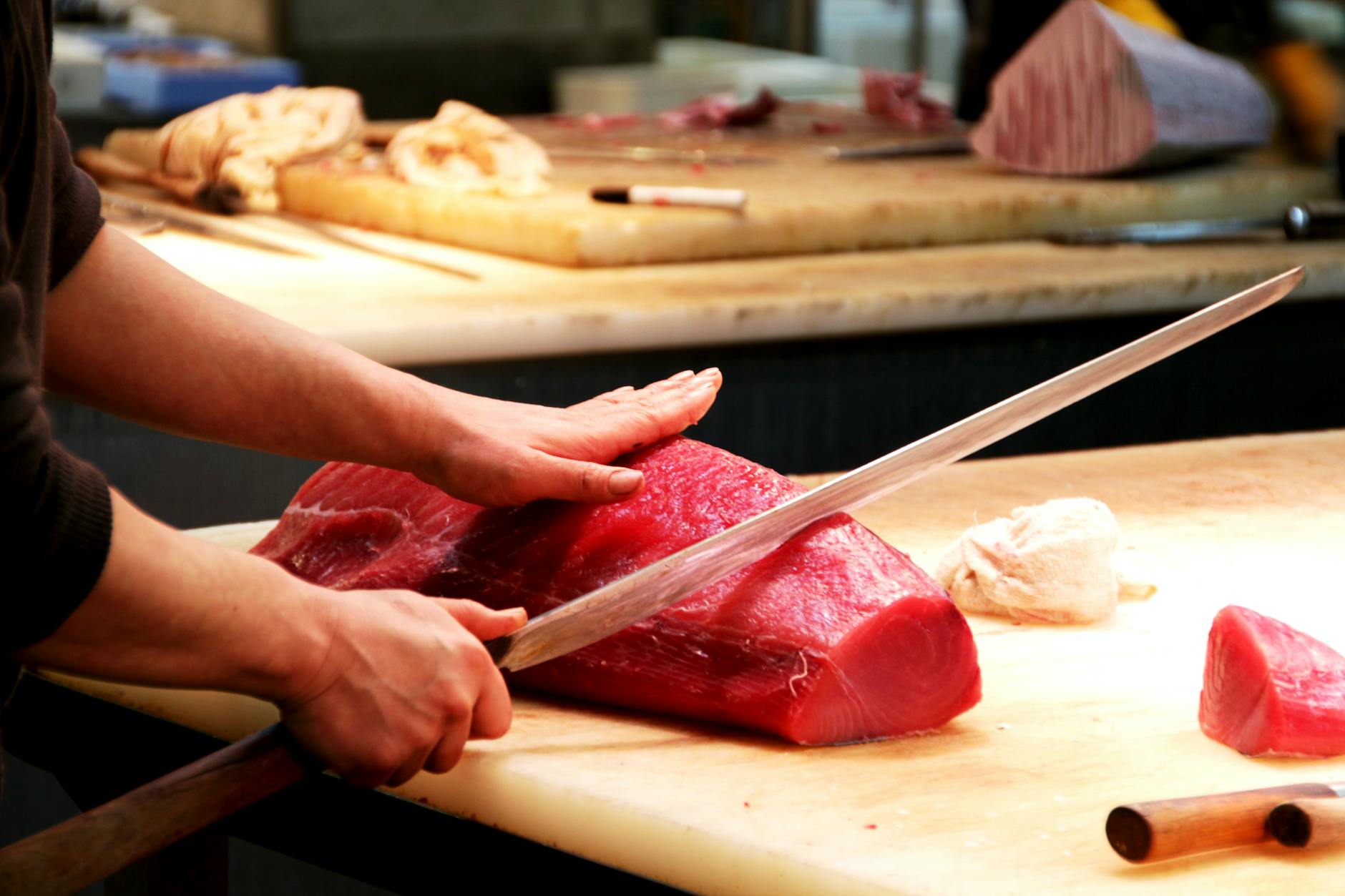
Why did Japanese chefs develop such a specialized instrument for slicing fish? The answer lies at the confluence of aesthetic, science, and respect. Sashimi, by definition, is all about purity. The chef’s job is not just to preserve the flavor and texture of the fish but to elevate it, revealing its inherent character with each cut. Unlike Western knives, which are typically double-beveled and designed for versatile chopping, the Yanagiba sports a single bevel set at an acute angle. This asymmetry means the blade glides along the fish in a way that minimizes tearing, compressing, or bruising the delicate flesh. The result: clean, glistening surfaces that seem to shimmer under ambient light.
At the heart of this technique is an understanding of muscle fibers and tissue composition. Every species of fish, every region of the fillet, presents unique challenges. Tuna loins have thick, striated muscle that can splinter if treated harshly; snapper, prized for its translucent flesh, can lose its beauty to the wrong angle or a blunt blade. What the Yanagiba offers is supreme control. Its slenderness lets chefs slice in one fluid motion, typically drawing the knife toward themselves in a gentle arc. Unlike typical sawing, this single, confident stroke—called hiki kiri—means there’s little drag or friction. The edge must be razor-sharp, which demands both a meticulous honing ritual and the right steel alloy—high-carbon, often Shirogami or Aogami, forged and polished to near surgical standards.
Here lies the first major challenge for the aspiring sashimi chef: the knife’s strengths are also its greatest tests. Keeping the Yanagiba in peak condition is labor-intensive. Its long, thin blade is unforgiving of dullness—a slightly blunted edge can shatter the structure of $70-a-pound toro in an instant. And since the blade is only beveled on one side, sharpening must be performed with traditional whetstones and a practiced touch. Even many Western-trained professionals find the learning curve daunting at first.
Yet, for all its technical demands, the Yanagiba also embodies a philosophy. At high-level sushi counters, the chef’s responsibilities transcend flavor; they touch on presentation, tradition, and ritual purity. A perfectly sliced piece of hirame or kinmedai reflects not just the chef’s skill but also their mindfulness and intent. Tiny imperfections—frayed edges, uneven surfaces—are noticed, and they matter. They change the guest’s experience, subtly affecting everything from mouthfeel to the perception of freshness.
Modern trends in sushi and sashimi are pushing these skills to new limits. As global palates evolve, chefs are working with a wider variety of species, including sustainable options like Arctic char and locally caught sea bream, butchering with the same reverence once reserved for bluefin tuna. Some are experimenting with dry-aging to concentrate umami flavors or using techniques like kobujime (curing with kelp) that require immaculate slicing to accentuate subtle changes in texture. These innovations demand not only technical mastery of the Yanagiba but a deep understanding of its history and best practices—a delicate balance between respecting the past and forging new culinary paths.
Another opportunity, and perhaps a lesson, emerges in the increasing popularity of Japanese-style knives among home cooks and foreign-trained chefs. Retailers worldwide report growing demand for handcrafted Yanagiba blades, with some enthusiasts investing hundreds—if not thousands—of dollars in bespoke pieces from forge masters in Sakai or Seki. The Yanagiba’s ascendance illustrates a global yearning for authenticity and mastery. But there’s a risk, too. Without proper training, even the finest blade can be useless or, worse, dangerous. Slicing sashimi becomes not just about having the right tool, but about cultivating patience, discipline, and respect for the underlying craft.
In this sense, the Yanagiba is as much a teacher as a tool. It rewards practice and humility; every mistake—a jagged slice, a bruised cut—becomes a lesson. Seasoned chefs speak of learning to “listen” to the fish, feeling for just the right amount of resistance, trusting the relationship between blade, hand, and ingredient. This is why even master itamae continue to train, revise, and perfect their techniques decades into their careers.
For those outside the professional kitchen, the Yanagiba offers a window into what makes Japanese cuisine so enduring. It embodies an approach that prizes finesse over force, subtlety over spectacle. To use it well is to engage in a quiet dialogue with raw ingredients, to recognize that great food is rarely the product of shortcuts or gadgets, but of deliberate, almost meditative attention.
Though modern technology advances apace, the Yanagiba knife remains an emblem of timeless artistry. Each perfect slice of sashimi is more than just a bite—it is a testament to generations of tradition, the patience of the craftsman who forged the blade, and the diligence of the chef who wields it. Those seeking to understand the soul of sashimi need only watch a Yanagiba in skilled hands: gliding through fish like a whisper, drawing forth flavor, texture, and beauty with every measured stroke. In the world of kitchen tools, few objects capture the fusion of art and function as powerfully as the humble, exquisite Yanagiba.


