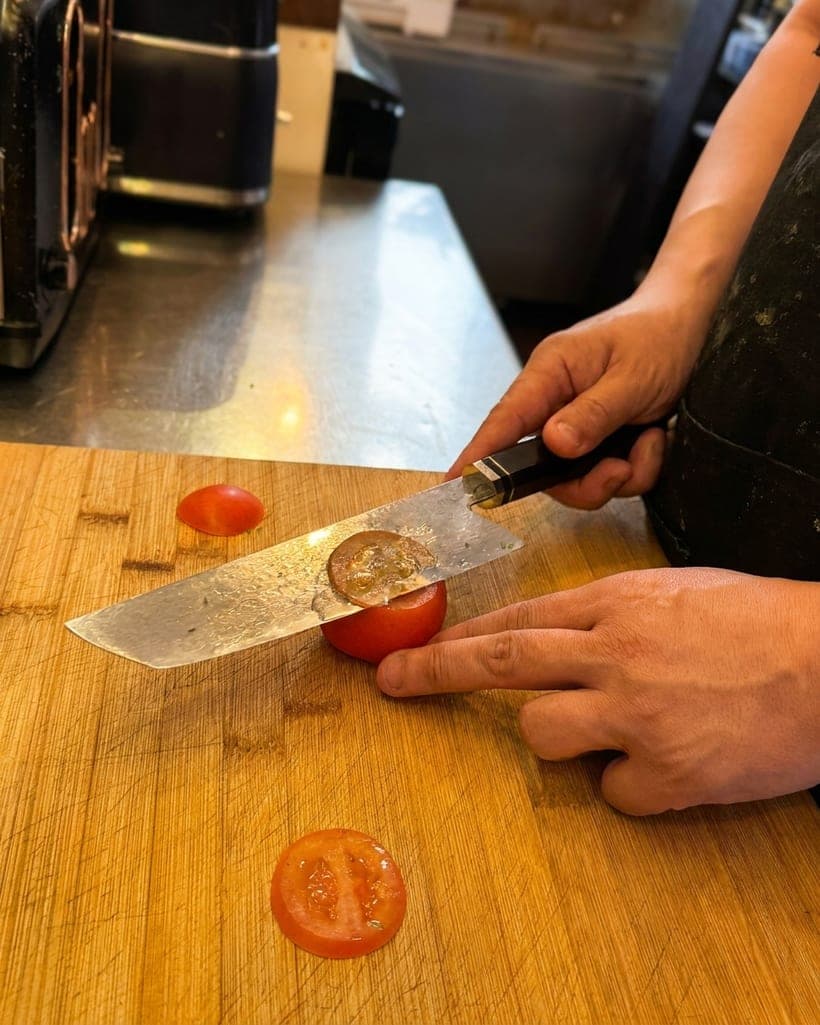
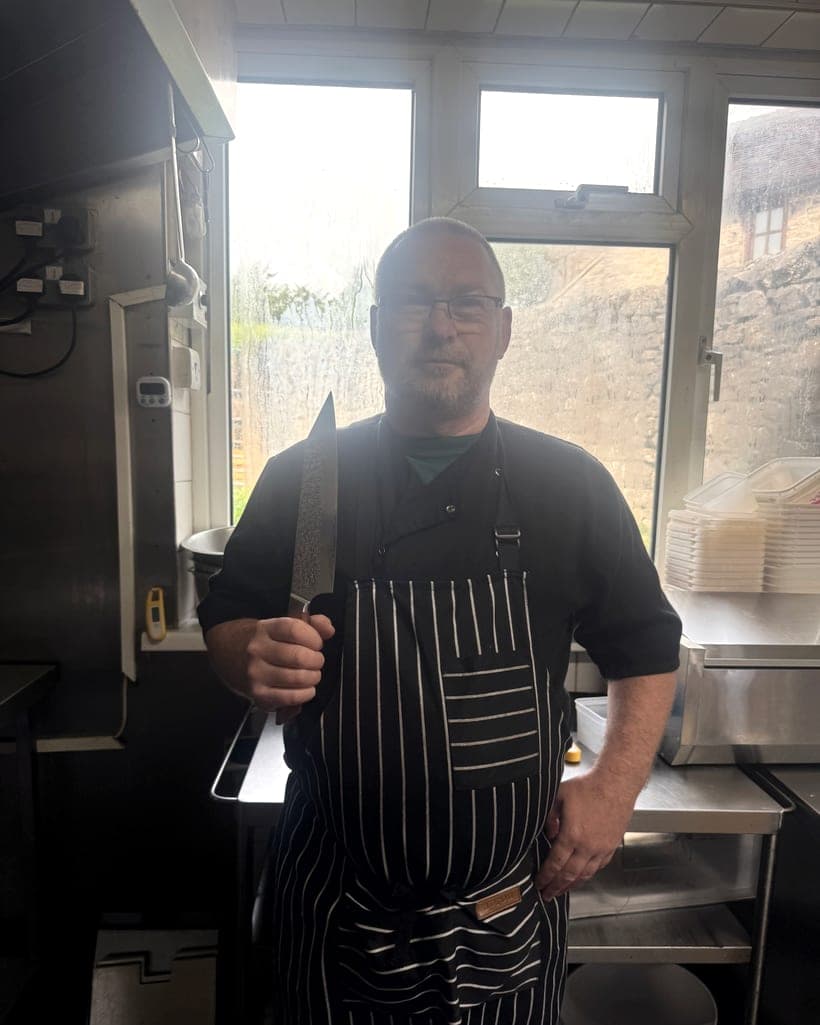
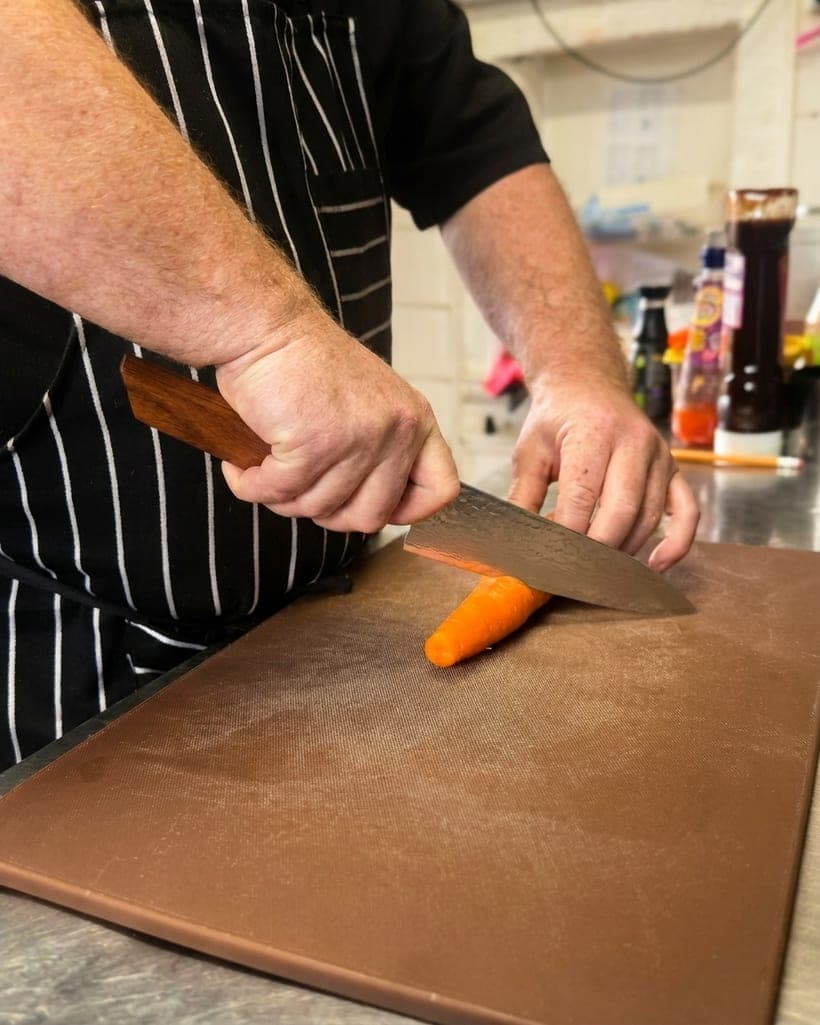
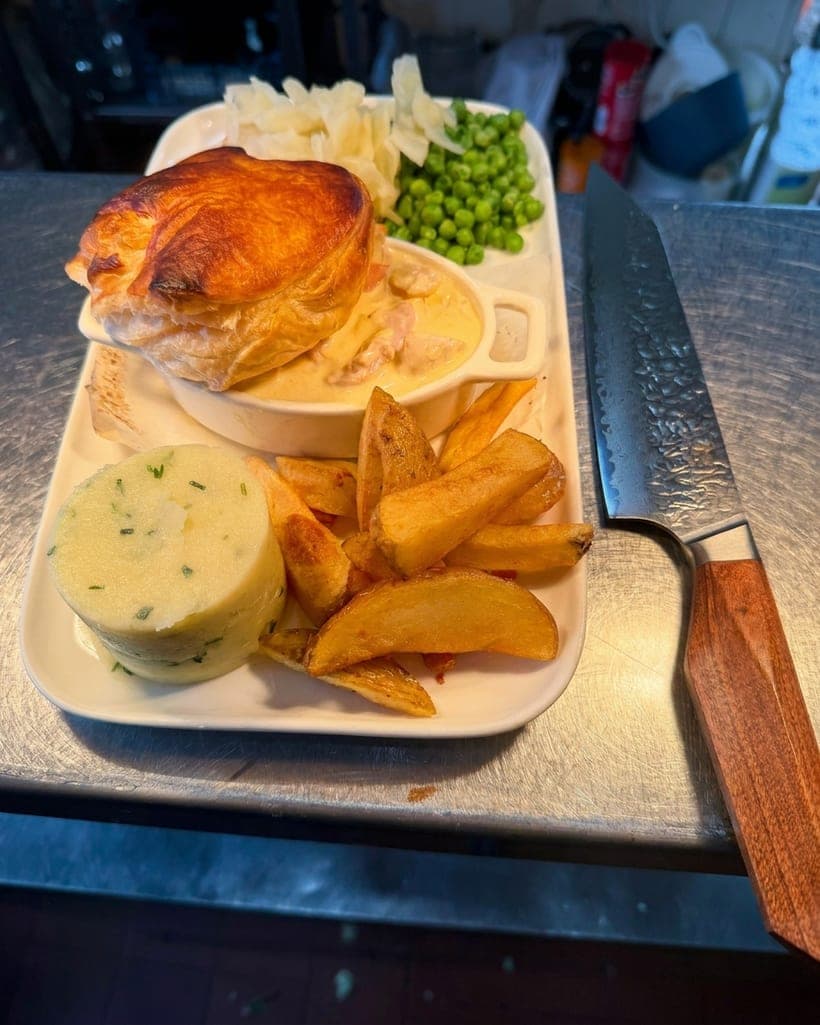
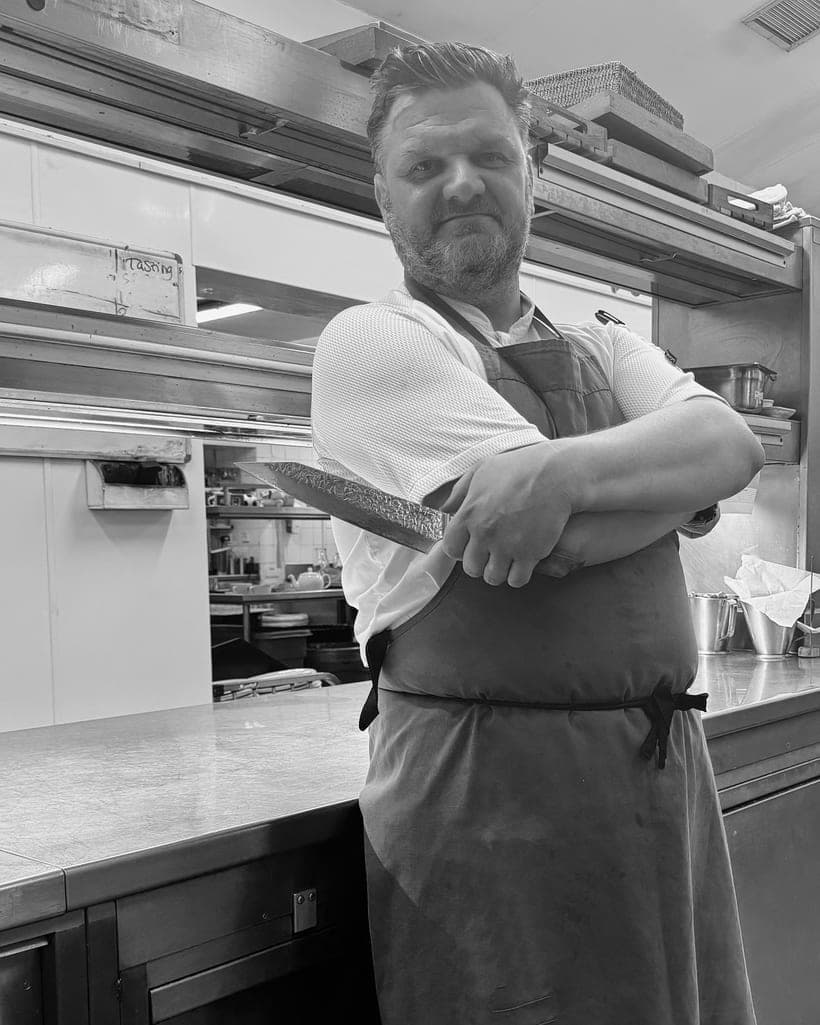
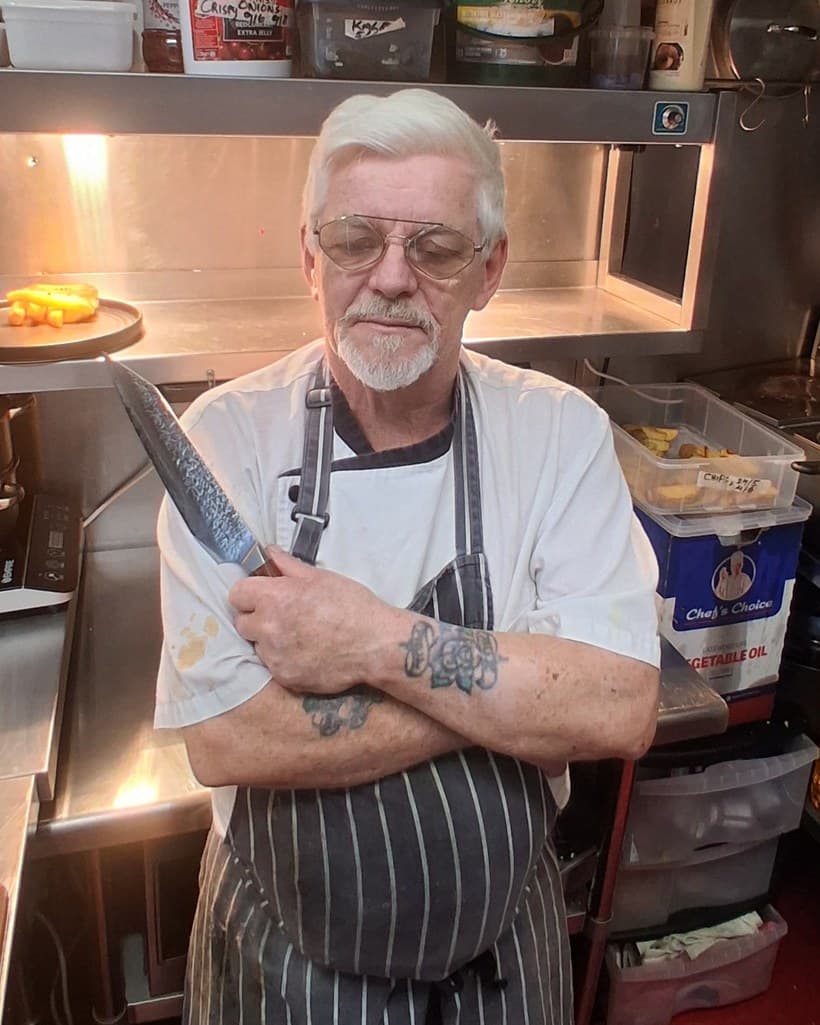
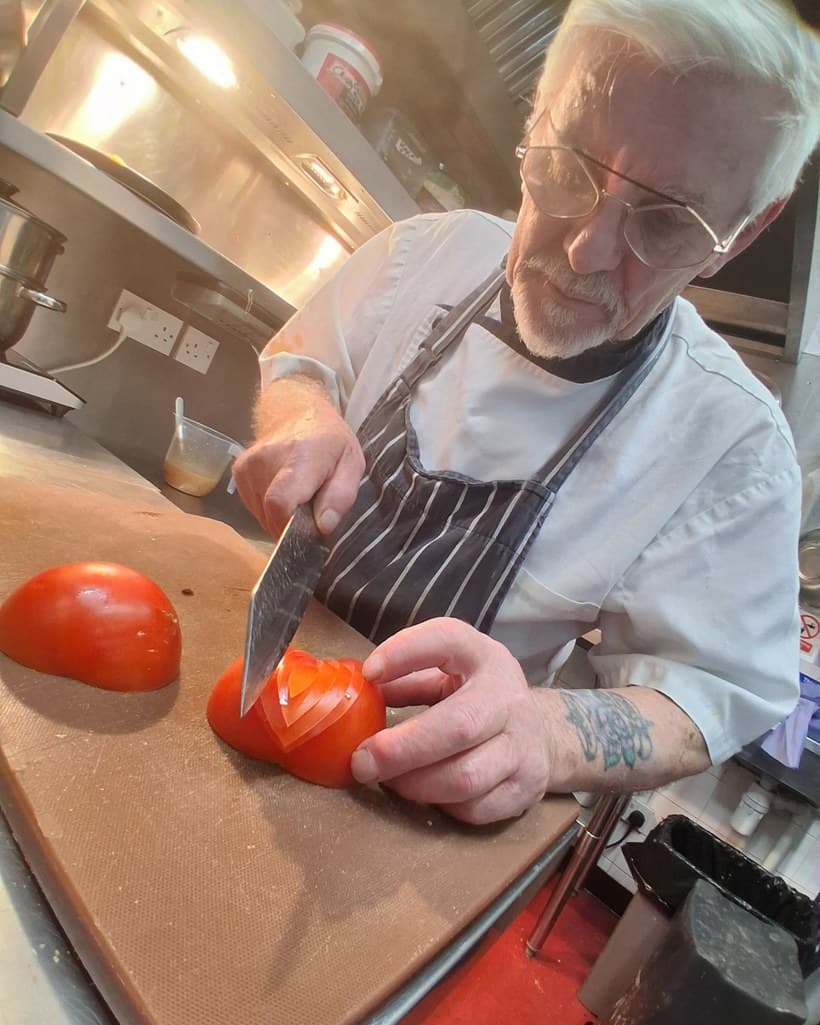
The Left-Handed Gyuto: A Chef’s Knife for Every Hand
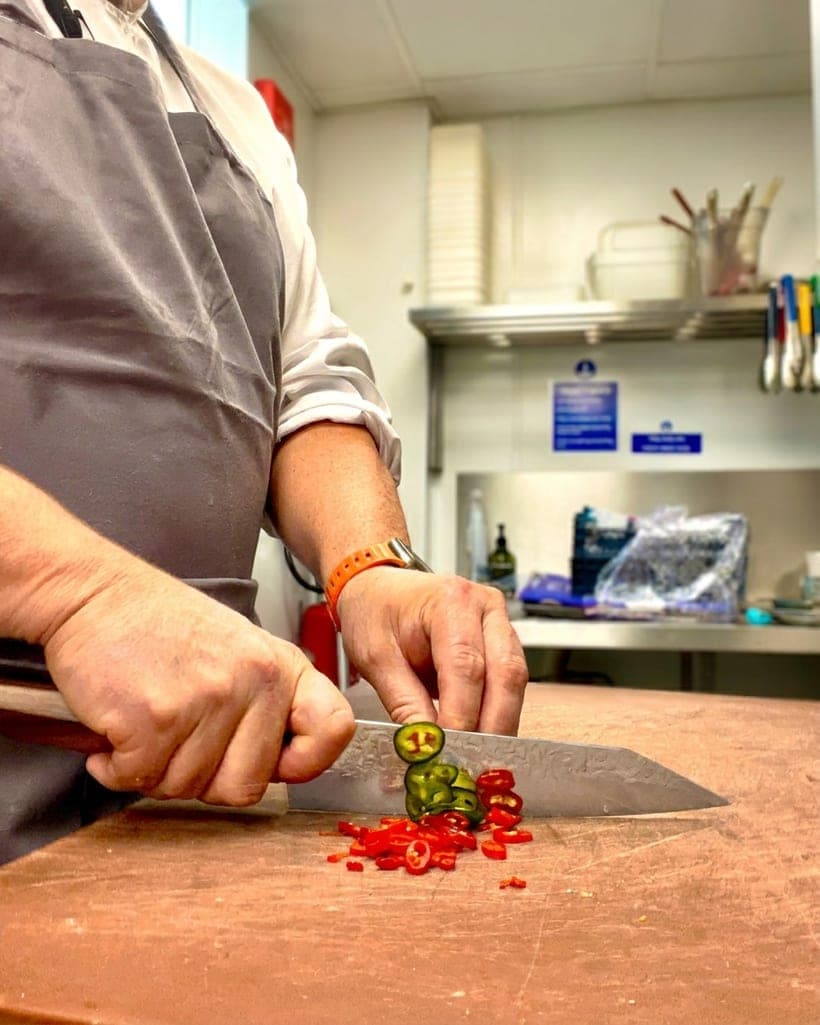
The culinary world is awash in tradition, precision, and the rhythm of sharp blades gliding through vegetables and protein. At the heart of this subtle ballet lies the chef’s knife, and for many, the refined Japanese Gyuto has become the blade of choice. Renowned for its thin, agile profile and acute edge, the Gyuto is a symbol of functional beauty. Yet, while these knives reflect centuries of craftsmanship, they also carry an unspoken assumption: the user is right-handed. For left-handed cooks, both professional and passionate amateurs, the search for a suitable Gyuto can feel like a dance with disappointment—unless one knows where to look.
Deep within the conversation about the ideal kitchen tool lies a subtle but essential question: what does it mean to create—or even just wield—a truly left-handed knife?
Beyond Ambidexterity: Feel and Function
Western-style chef’s knives are usually symmetrical, with a double-bevel edge and a uniform, ergonomic handle. Most people assume any chef can simply flip such a knife into the other hand and proceed as usual. The Gyuto, inspired by the Western chef’s knife but honed through Japanese sensibilities, often presents a more nuanced profile. Many have slightly asymmetrical grinds and subtle handle contours shaped for right-hand dominance, rendering them awkward or less effective when used in the left hand.
Some Japanese knives amplify this effect. Traditional models like the Deba or Yanagiba feature extreme single-bevel grinds, designed exclusively for right-handed slicing angles and biases. A left-handed cook trying to wield such tools faces additional resistance and less control, resulting in imperfect cuts and mounting frustration over time.
Though the Gyuto itself is most commonly a double-bevel, its production is deeply intertwined with right-handed norms. Even subtle differences matter in the perfectionist culture that values razor sharpness and precise angles. Left-handed Gyuto designs are rare, especially among mass-market offerings.
Why It Matters: Precision, Comfort, Safety
The consequences ripple outward. Precision is the defining feature of a good Gyuto; chefs crave silky, uninterrupted slices, paper-thin chiffonades, and even juliennes. Any misalignment between ergonomics and edge geometry undermines this performance, especially after hours of repetitive prep.
Comfort matters too. Many Gyuto models, particularly high-end Japanese knives, come with octagonal or ‘D-shaped’ handles. A right-handed handle, held in the left hand, feels slightly off, shifting stress to the wrong parts of the palm and wrist. Over hundreds of motions each shift compounds into fatigue, mystery strains, and subtle injuries—occupational hazards multiplied by an oversight in design.
Safety is the most serious, if least discussed, consideration. A poorly fitting knife encourages awkward grips and compensatory force, making slips or mistakes more likely. The left-handed chef must balance performance with self-protection, knowing that an off-angle blade can leap unpredictably.
This issue runs deeper than comfort; it becomes a question of accessibility and inclusivity. The kitchen, hallowed ground for discipline and creativity, should serve all who step in, not force a silent minority to adapt around its tools.
The Search: Challenges and Silver Linings
For years, left-handed cooks either made do with right-handed tools or invested in custom solutions. Many discovered that certain symmetrical Gyuto knives, particularly those with neutral grinds and handles, functioned reasonably well. Yet even in this best-case scenario, the market often failed to explicitly signal which models were truly ambidextrous.
Specialized left-handed Gyuto knives are made, but they come at a price—not just in money, but in wait times and effort. Japanese knife smiths such as Masamoto, Sakai Takayuki, and Misono offer left-handed models by special order. These versions command a price premium, reflecting the extra labor and lower production volume involved. For professional chefs, such investments are seen as part of the cost of doing business; for home cooks, it’s a weighty decision.
Yet the tide is turning. As discussions about accessibility and ergonomics enter the mainstream, knife makers and retailers are increasingly attuned to the needs of left-handed users. New brands specializing in chef’s knives, particularly those targeting Western markets, are bringing genuinely ambidextrous options or left-handed models into regular inventory.
Online forums and review platforms now feature dedicated threads on left-handed performance, where users critique handle shapes, edge grinds, and blade balance. Collectively, these communities not only give voice to a once-sidelined group but also push manufacturers to clearly articulate which products serve whom.
A Knife for Every Hand: Opportunities and Lessons
For manufacturers, the shift represents more than a nod to inclusivity. Left-handed users represent approximately 10 percent of the population—a significant market for a high-end, niche product. Brands that respond proactively with clear labeling and meaningful design variations can win lifelong loyalty.
The challenge, however, is deeper than simply changing a grind or flipping a handle. True left-handed Gyuto knives require the same devotion to geometry, balance, and craftsmanship as their right-handed counterparts. A poorly executed left-handed adaptation risks undermining the integrity of the blade, and in so doing, fails to justify the higher price.
Lessons abound for consumers as well: there is real value in seeking out specialist retailers and asking direct questions about handle symmetry and edge shape. The learning curve can be steep, but the payoff is profound. The right knife does more than cut—it becomes an extension of the cook’s intent and creativity.
For left-handed chefs, the journey to the perfect Gyuto is a passage through tradition, innovation, and self-discovery. They learn to identify the subtle cues—an uncomfortable wrist twist, an edge that does not track straight, a balance point just off-center—that signal a tool designed for someone else. Eventually, many find their perfect match, whether that means shelling out for a custom piece or discovering the overlooked ambidextrous gem in a sea of options.
Looking Forward: The Quiet Revolution
In the end, the pursuit of the left-handed Gyuto is not just about kitchenware. It is a microcosm of adaptation, voice, and agency. As the kitchen evolves into a more democratic, accessible space, even its sharpest tools must keep pace. The true test is not in the beauty of the blade or the reputation of the smith but in the simple, everyday satisfaction that comes from holding a knife that fits and functions for every chef, no matter which hand they favor.
In celebrating and expanding the world of left-handed Gyuto knives, the culinary community acknowledges that excellence demands both tradition and transformation, and that the right fit changes everything.