The Heart of a Gyuto: Choosing Between Carbon Steel and Stainless Steel
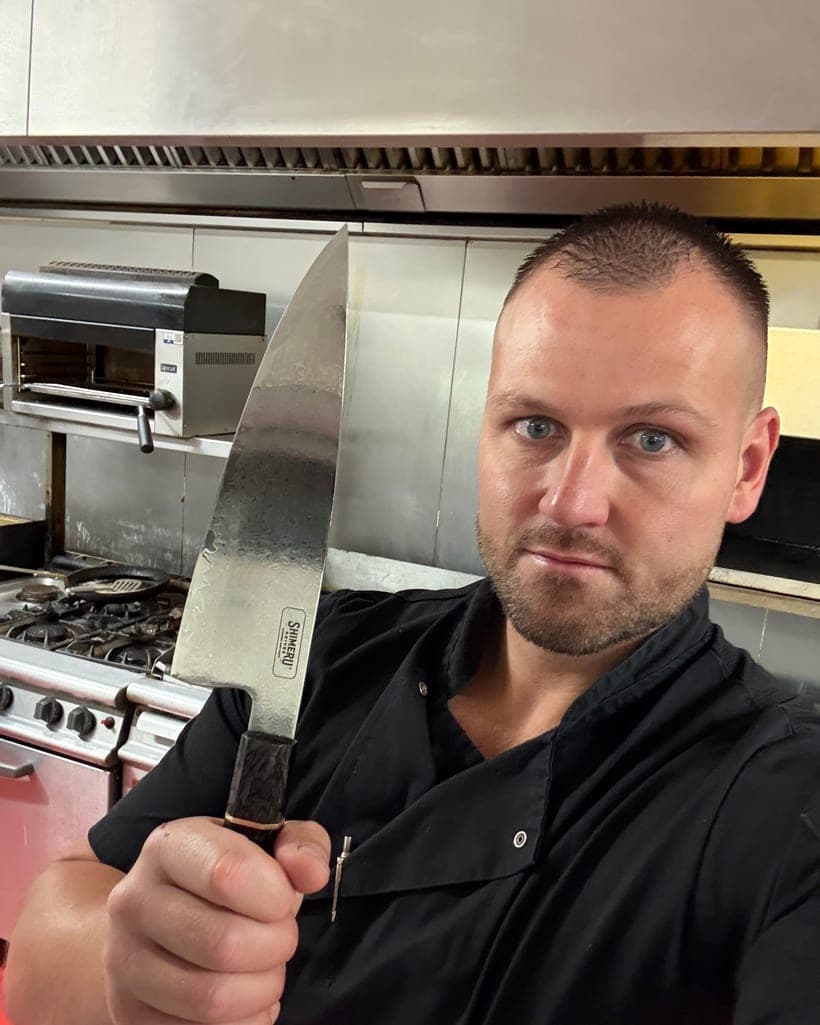
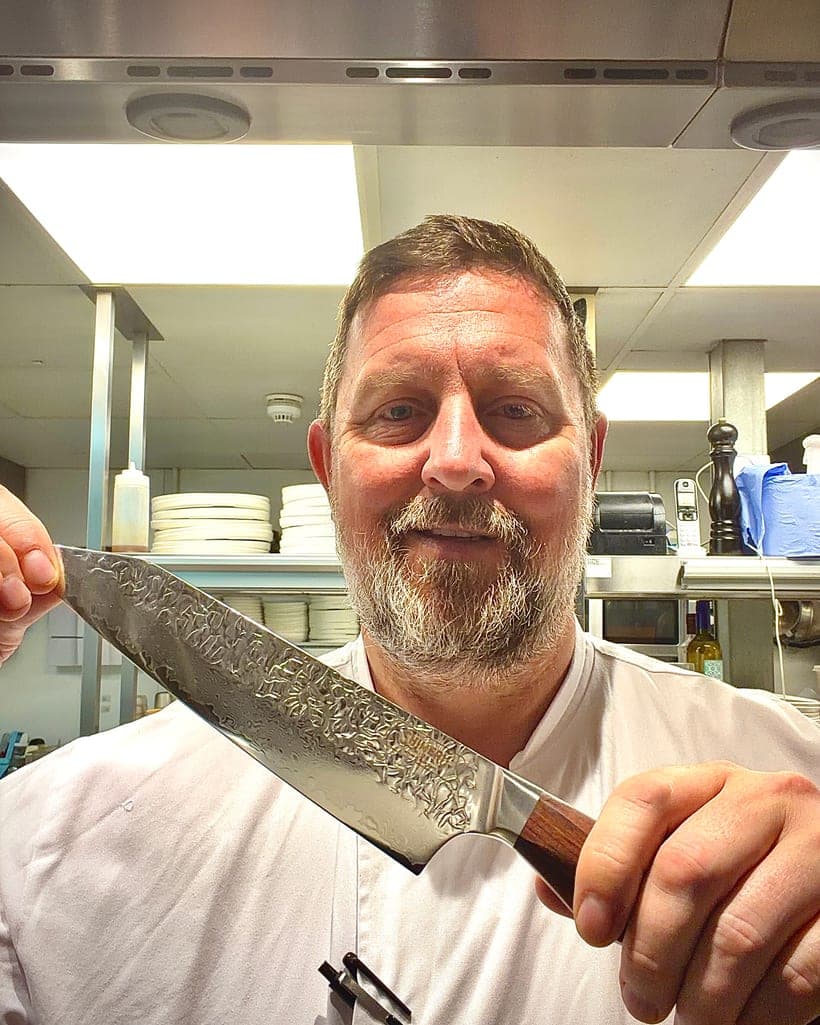
At first glance, the Gyuto’s silhouette is unmistakable: slender, elegantly tapered, and graced with a balance that feels almost instinctive in the palm. This Japanese knife, modeled after European chef’s knives but interpreted through a uniquely Japanese lens, has become a staple for professional and passionate home cooks alike. Yet underneath its refined lines and razor-thin edge lies a technical foundation that profoundly shapes its performance and character: the steel from which it is crafted.
The choice between carbon steel and stainless steel in Gyuto knives is not a mere technicality; it is a matter of philosophy, culture, and craft. As globalization interweaves cooking traditions and toolmaking expertise, enthusiasts have more choices than ever—but also more variations to navigate. Understanding these choices is not only about technical specifications. It’s about embracing a knife that fits your cooking style, your maintenance rituals, and your culinary aspirations.
A Tale of Two Steels
The fundamental divergence is stark. Carbon steel, prized for centuries by Japanese blacksmiths, is forged with a higher percentage of carbon and fewer alloying elements that confer corrosion resistance. Stainless steel, on the other hand, incorporates chromium and other elements to yield remarkable rust resistance, sometimes at the expense of the purity or hardness that carbon steel aficionados crave.
This divide is not merely historical. It’s experiential. The cook who first handles a carbon steel Gyuto may be seduced by its keen edge and responsiveness, only to be bemused—or irritated—by the patina and susceptibility to rust after even a few minutes in contact with acidic ingredients. Meanwhile, those who favor stainless steel often revel in durability and ease of maintenance, but might mourn a certain intangible sharpness or the artisan’s touch that seems more pronounced in their carbon-steel cousins.
Tradition Meets Innovation
Carbon steel evokes tradition. For centuries, Japanese smiths have relied on high-carbon alloys such as White Steel (Shirogami) or Blue Steel (Aogami), both manufactured by venerable Hitachi Metals. These materials enable remarkable sharpness, a distinctly fine grain, and a reactivity that, paradoxically, forges a bond between the chef and the tool. White Steel features only carbon with minimal other elements—pure, hard, and wonderfully responsive to sharpening stones. Blue Steel overlays that purity with tungsten and chromium, introducing a touch of toughness.
But with purity comes penalty. Carbon steel tarnishes easily. It rusts and stains, requiring compulsive attention. Wipe it dry. Store it carefully. Develop an almost ritualistic discipline in your workflow. Some celebrate this as an intimacy with tradition, while others—especially busy line cooks or home chefs with bustling households—view it as an unnecessary complication.
Stainless steel entered the scene with the global spread of Western knife styles, and Japanese manufacturers rose astutely to the demand for practicality. The likes of VG-10, SG2, and AUS-8 incorporate various blends of carbon, chromium, vanadium, and molybdenum, conferring exceptional corrosion resistance, added toughness, and a degree of edge retention once thought unattainable in stainless formulations. Modern powder metallurgy techniques, such as those applied to SG2 and R2 steels, have closed many of the performance gaps that once separated carbon and stainless. Yet, some purists argue, a faint barrier remains: the sacred bond with the sharpening stone, the lively reactivity of the blade, has been tamed—civilized, perhaps, but at a small, ineffable cost.
Performance and Practicality
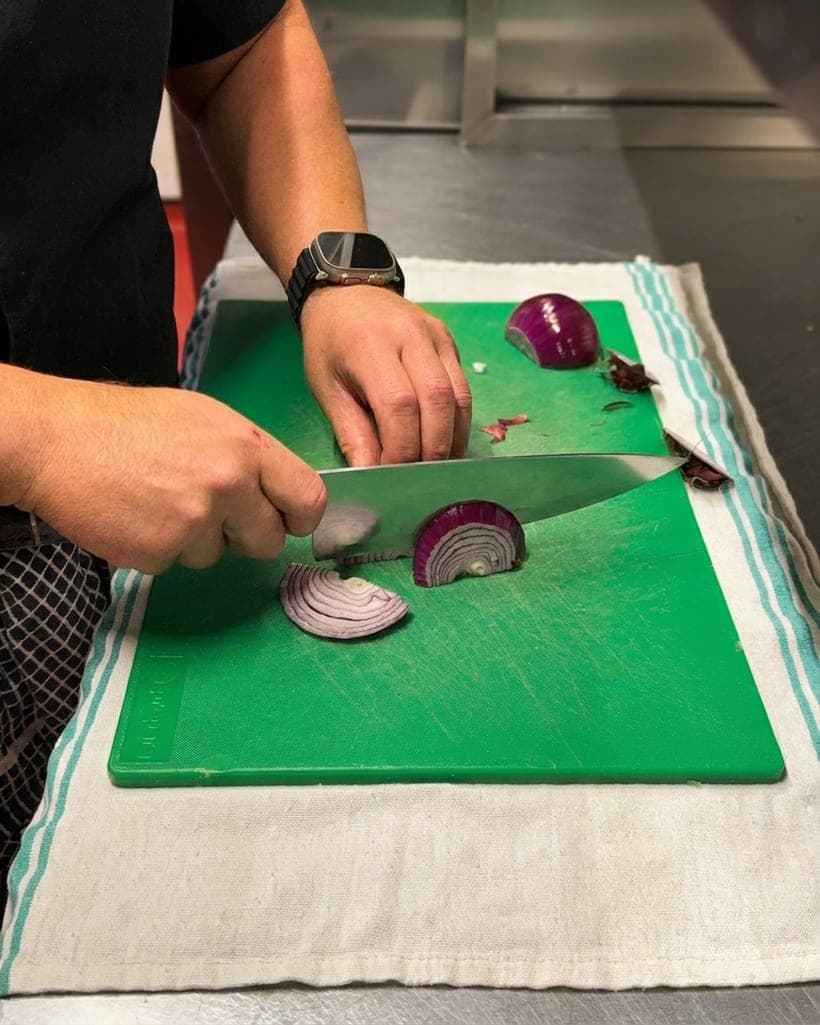
Where carbon steel excels is edge formation. These knives tend to take on an acute, fine edge quickly and hold it across many sessions of precise slicing—especially with vegetables, raw fish, or tender cuts of meat. The feedback on a whetstone and during cutting is often cited as more tactile, more lively. For those who enjoy the meditative chore of hand-sharpening, the rewards can be profound: a reflection of skill, effort, and even a form of self-expression.
Stainless steel, particularly in its more advanced formulations, delivers something equally valuable for many users: confidence. The resilience against acidic foods, water, and even occasional neglect is hard to overstate. For professional kitchens working at a hectic pace or for home cooks who lack the time or inclination to pamper their tools, these properties tilt the scales notably. Modern stainless steels have also achieved impressive sharpness and holding power through meticulous heat treatment and advanced alloying, closing much of the gap with carbon. Yet, some say, carbon steel’s final few percent of keenness and ease of resharpening still confer it unique appeal.
Learning from Both Worlds
The conversation about steel type, fascinatingly, often transcends rational calculation. It is wrapped in nostalgia, identity, and an evolving sense of craft. In Japan, new generations of blacksmiths are blending old and new, producing “semi-stainless” or “super blue” variants—experiments that push metallurgy in search of the best of both worlds. Some knives feature a carbon core for sharpness, wrapped in a stainless cladding for ease of care, a hybrid that embodies compromise and innovation.
For knife buyers, the temptation to treat steel type as a single deciding factor is understandable but misleading. Maintenance, work environment, culinary focus, and personal temperament are equally important. The romanticism of a carbon steel blade is compelling, but so are the realities of workflow and commitment. Neither path is strictly superior. Instead, each invites a different relationship with the craft of cooking.
The Heart of the Knife
At its best, a Gyuto is more than a tool; it is an extension of the cook. The steel at its core is less a technical choice than a philosophical one—what sort of partnership do you want with your kitchen tools? Do you crave the purity, the finicky brilliance, the living patina of carbon steel? Or the trustworthy, go-anywhere confidence of stainless?
The evolution of steel for Gyuto knives mirrors the evolution of cooking itself—a blend of reverence and pragmatism, of tradition and adaptation. For cooks, collectors, and craftsmen alike, the choice is neither an obstacle nor a riddle, but a mirror in which to see one’s own approach reflected. In the end, perhaps the true lesson is that the keenest edge is forged not only by the smith’s hammer, but by the chef’s honest engagement—with food, craft, and self.