

The Gyuto: Precision, Craft, and Beauty in the Modern Kitchen
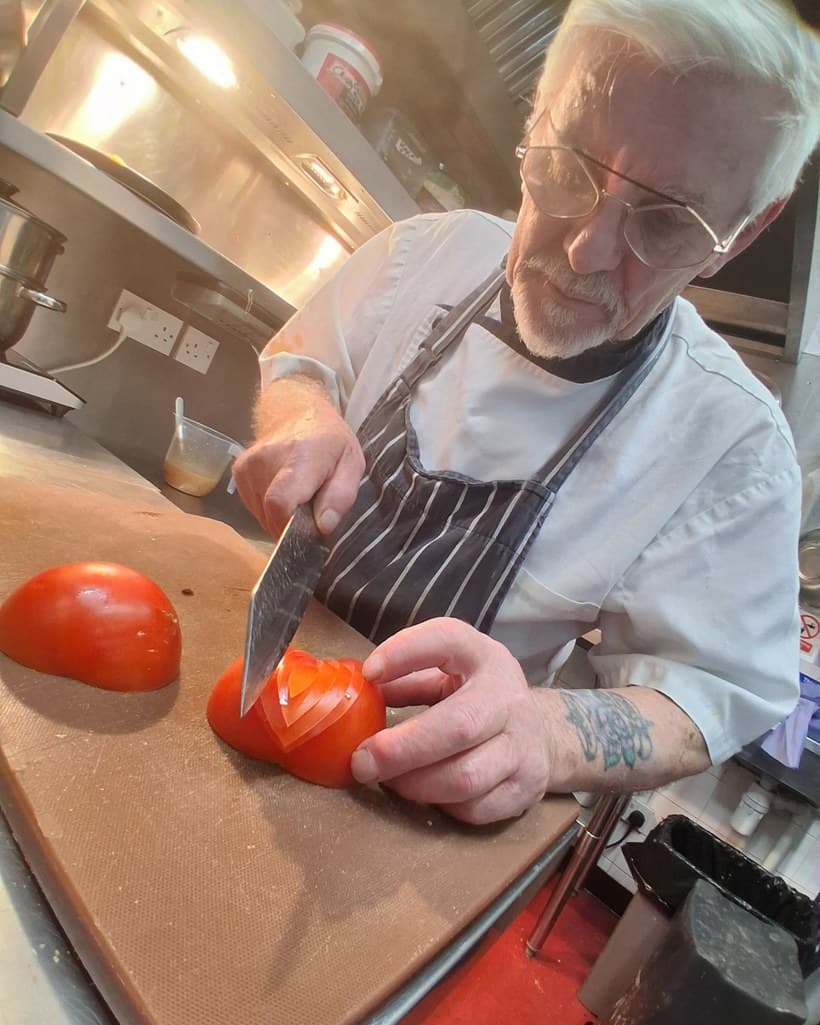
There is a moment in every great kitchen when the lines blur between utility and art. This is never more apparent than in the relationship between chef, ingredient, and tool. Perhaps nowhere is this union more critical than at the juncture of blade and board, the spot where raw produce and protein are transformed by careful cuts into components of a splendid meal. It’s here, too, that the Gyuto—a Japanese chef’s knife inspired by the Western-style chef’s knife—has quietly become a tool of choice for chefs and home cooks seeking not just efficiency but beauty on the plate.
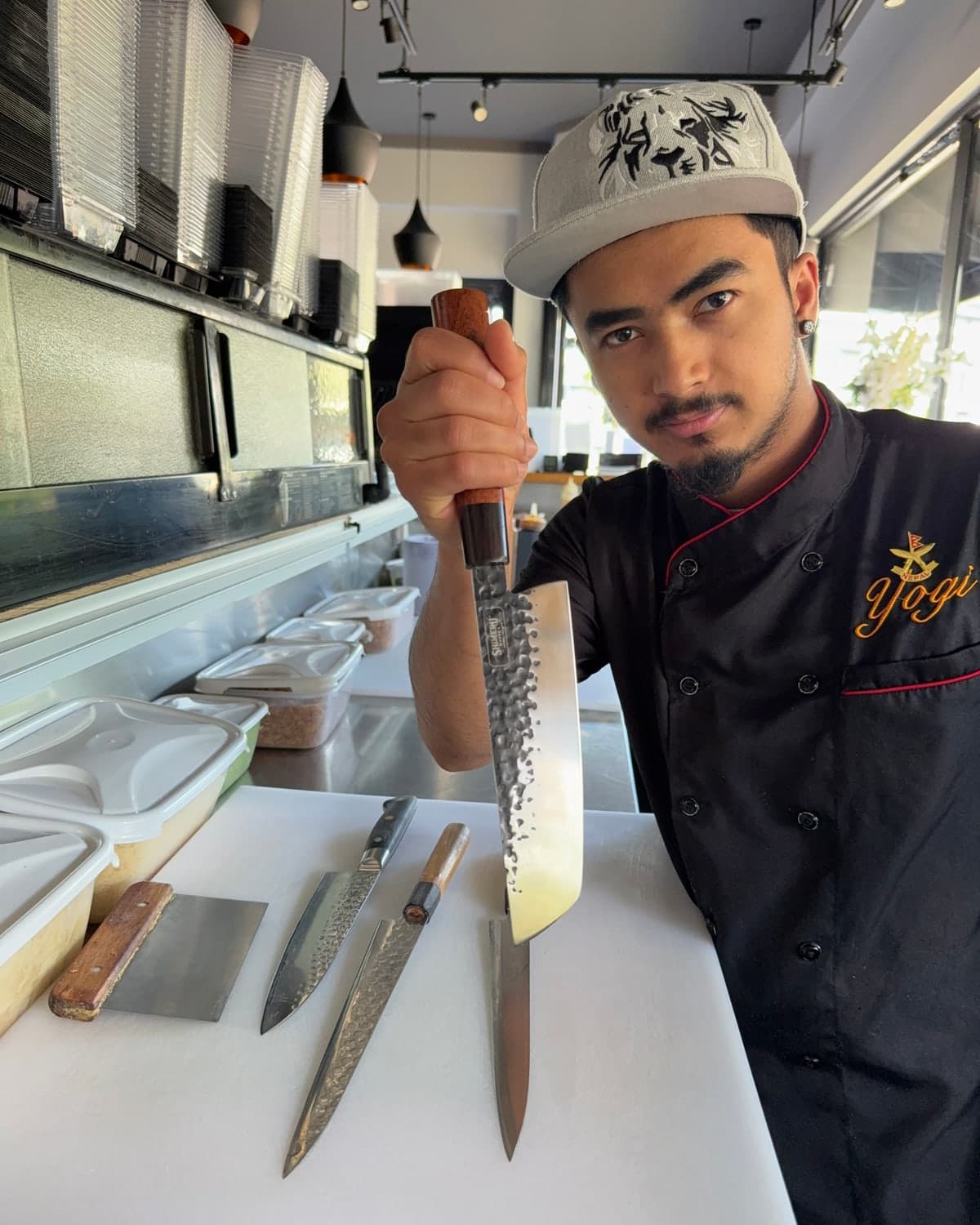
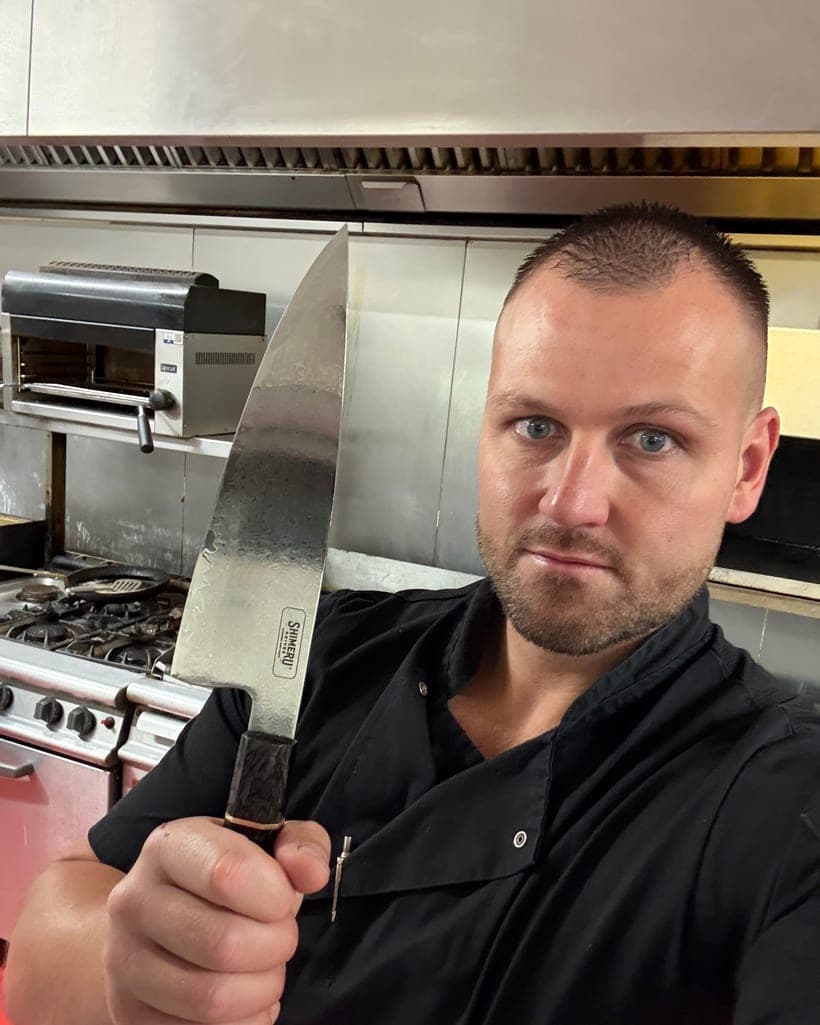
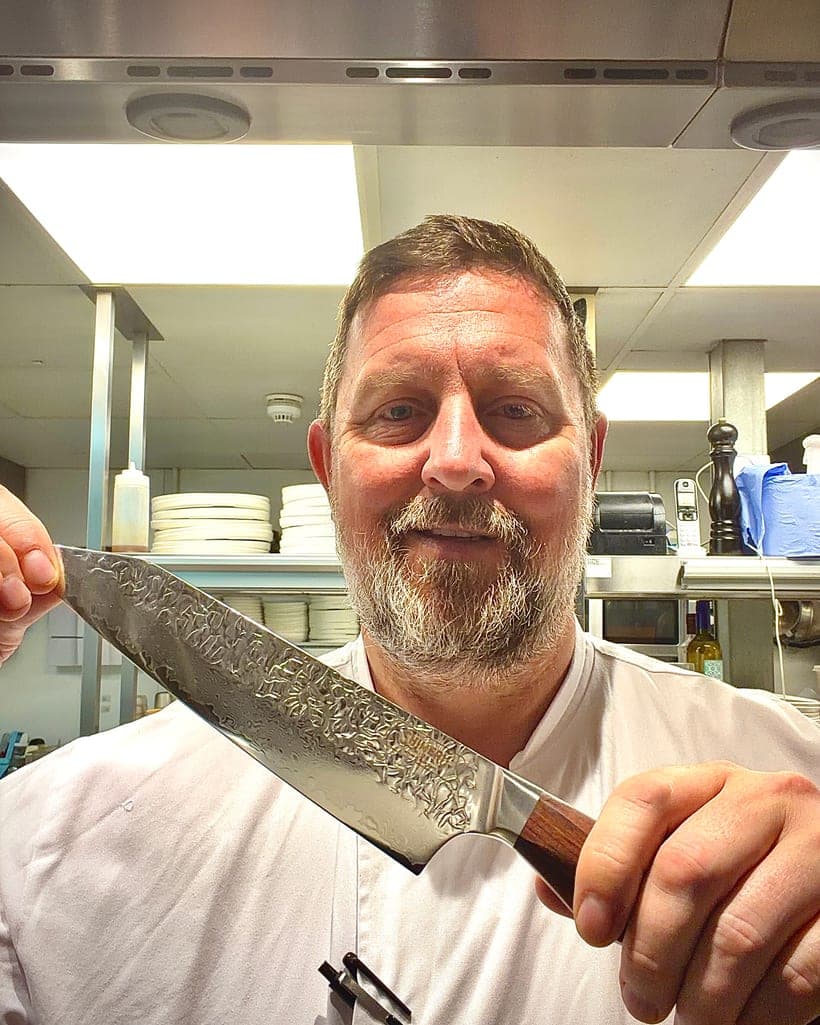
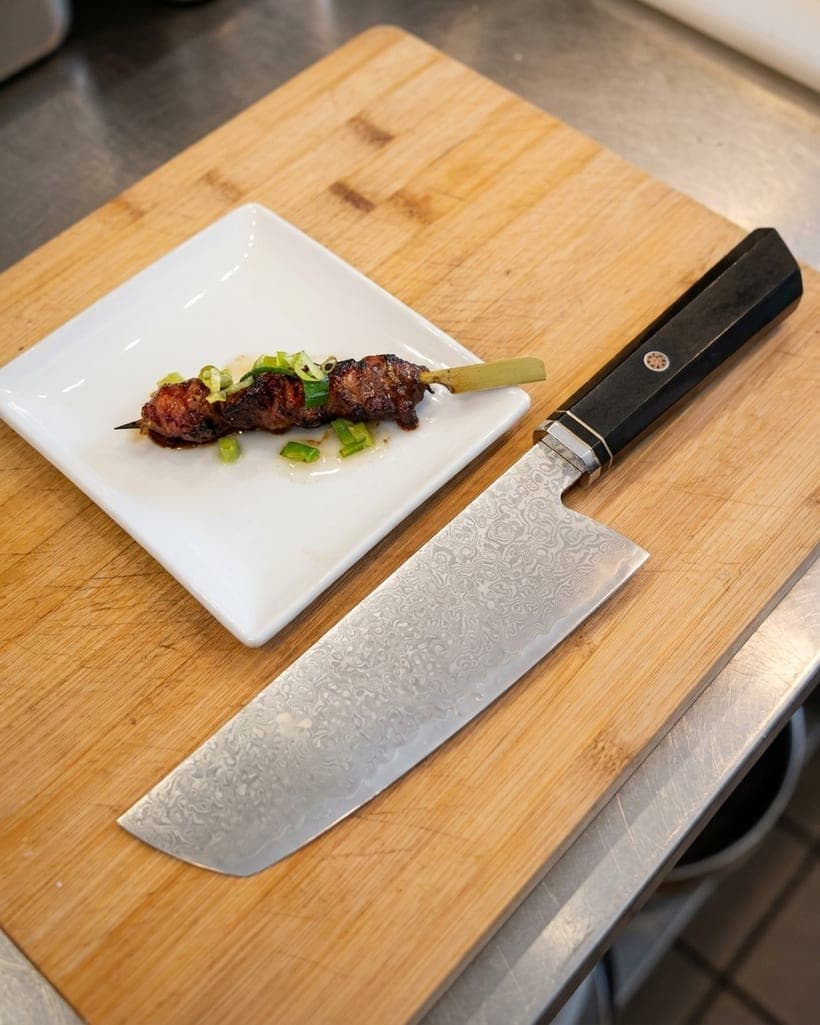
The Gyuto, whose name translates simply as “beef sword,” might at first glance seem indistinguishable from its Western cousins. Yet it embodies a different philosophy. Rooted in Japanese blacksmithing craft, it is thinner, lighter, and sharper. The edge is honed to a razor-like finish, with steel that is harder and capable of holding a finer edge for longer. There is a precision in the Gyuto that cannot be overstated. This precision, it turns out, is not incidental to compelling food presentation—it’s fundamental.
Why has the Gyuto emerged as such an essential part of contemporary kitchens, from Michelin-starred restaurants to the homes of passionate cooks? The answer lies both in the mechanics of the knife, and the evolving aspirations of those who wield it.
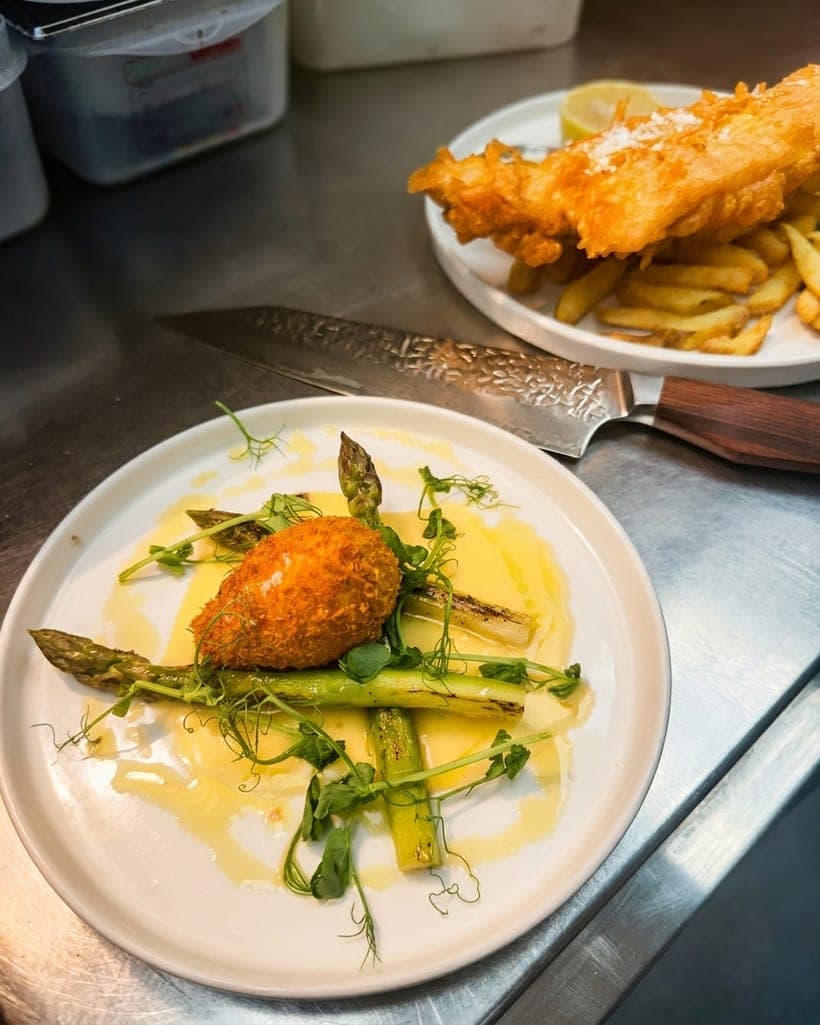
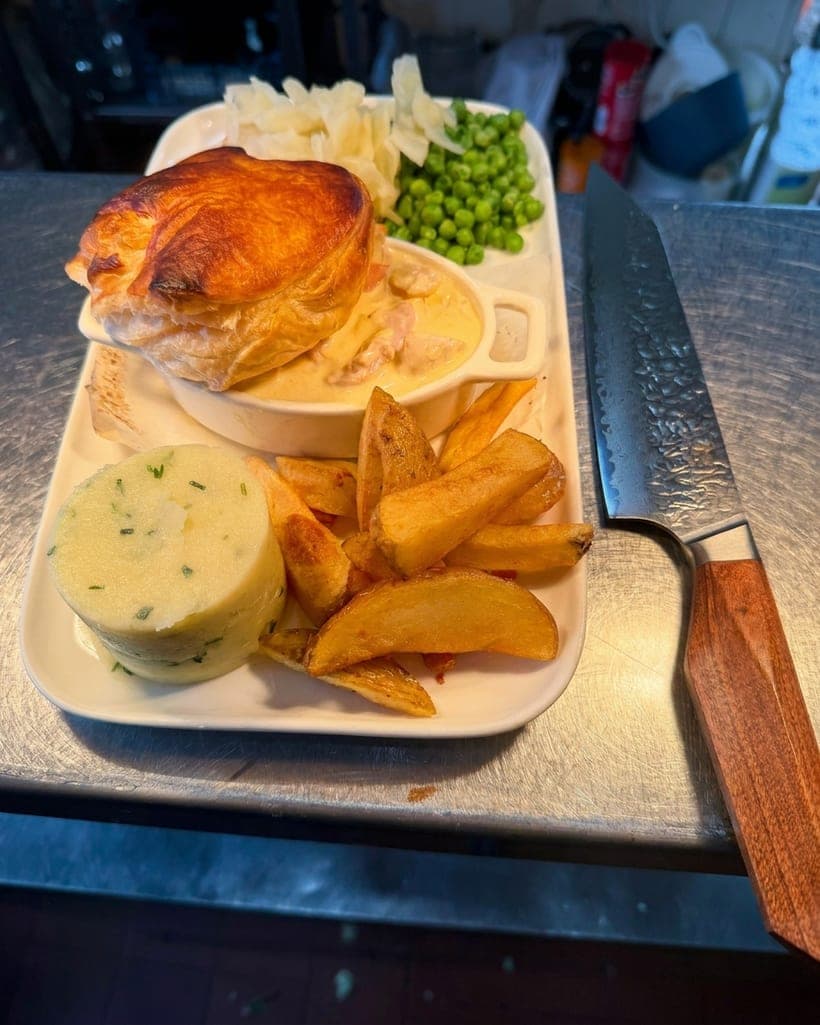
Food presentation has become an art form in itself. Social media, television, and globalized culinary influences have raised expectations of visual delight to match flavor. Even for home dinners, a plate’s appearance matters more than ever. This optical appetite is not frivolous—studies show that beautifully arranged food enhances perception of taste and enjoyment. Suddenly, the humble task of slicing carrots or portioning fish is elevated to artistry.
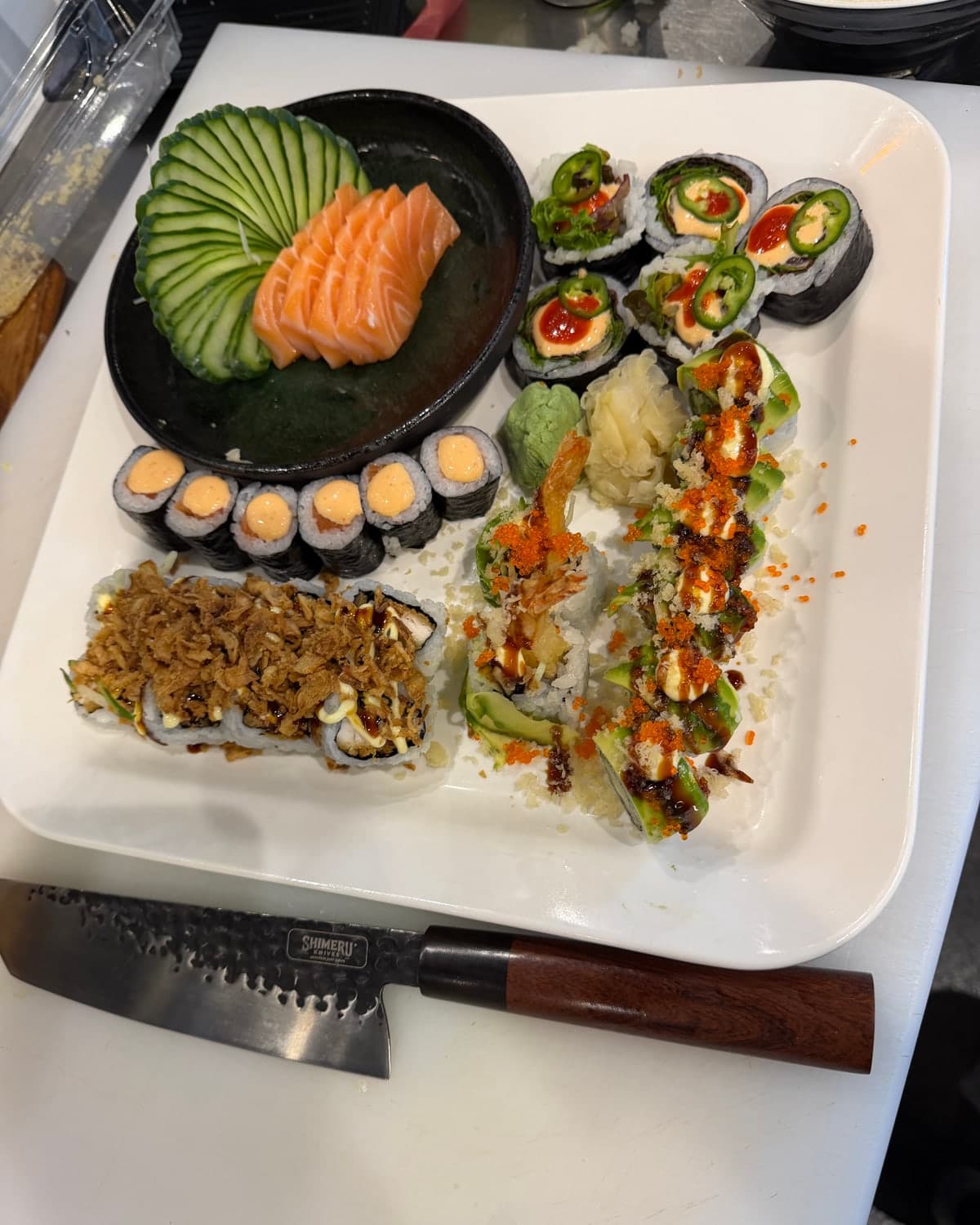
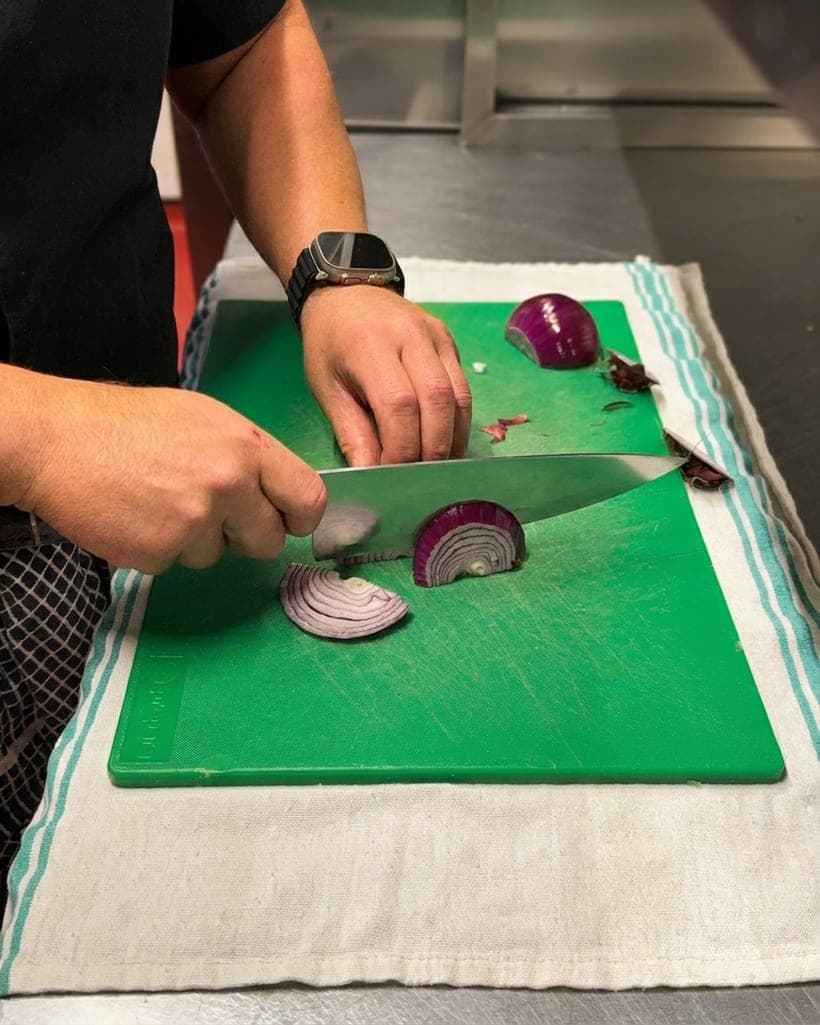
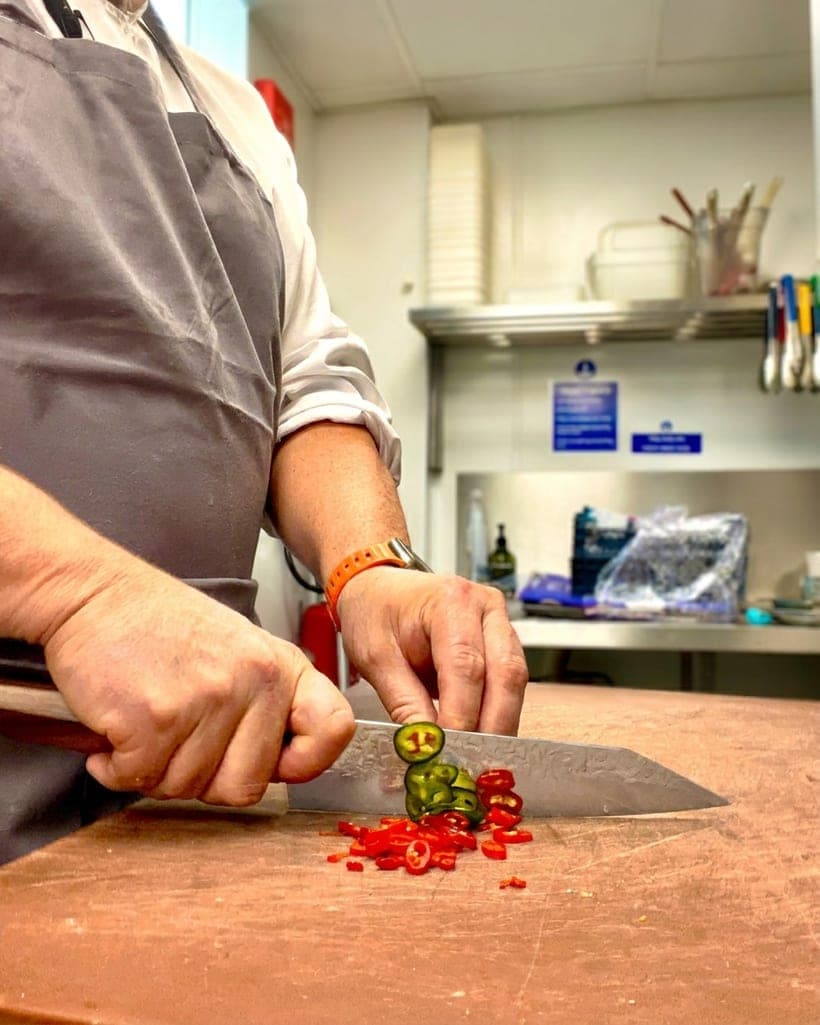
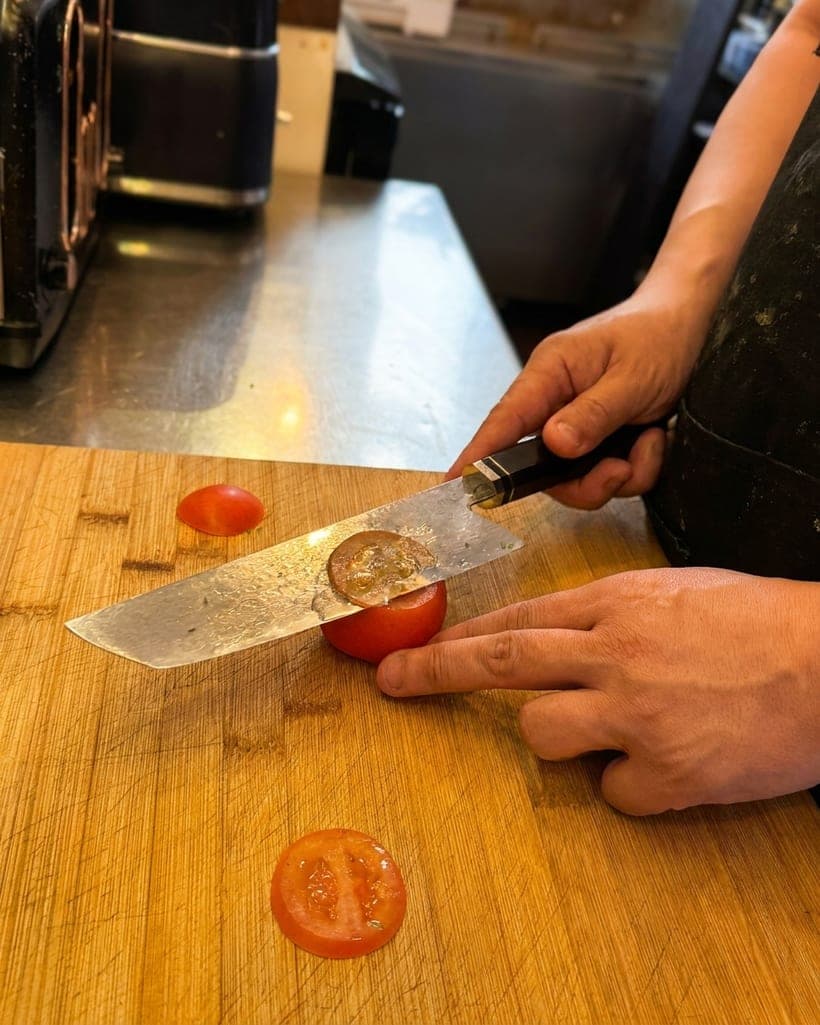
It is here that the Gyuto reveals its sublime utility. The knife’s acute and consistent sharpness allows cooks to make slices that are not only thin but uniform. Consider the humble cucumber. With an average knife, even a practiced hand will create slices of uneven thickness. The result is a plate of scattered green coins, each slightly different, betraying subtle inattention. In contrast, with a properly honed Gyuto, each cut glides through with minimal resistance, creating slices that are paper-thin and identical. When arrayed on a plate, they catch the light uniformly, stacking or fanning out like a jeweler’s display of emeralds.
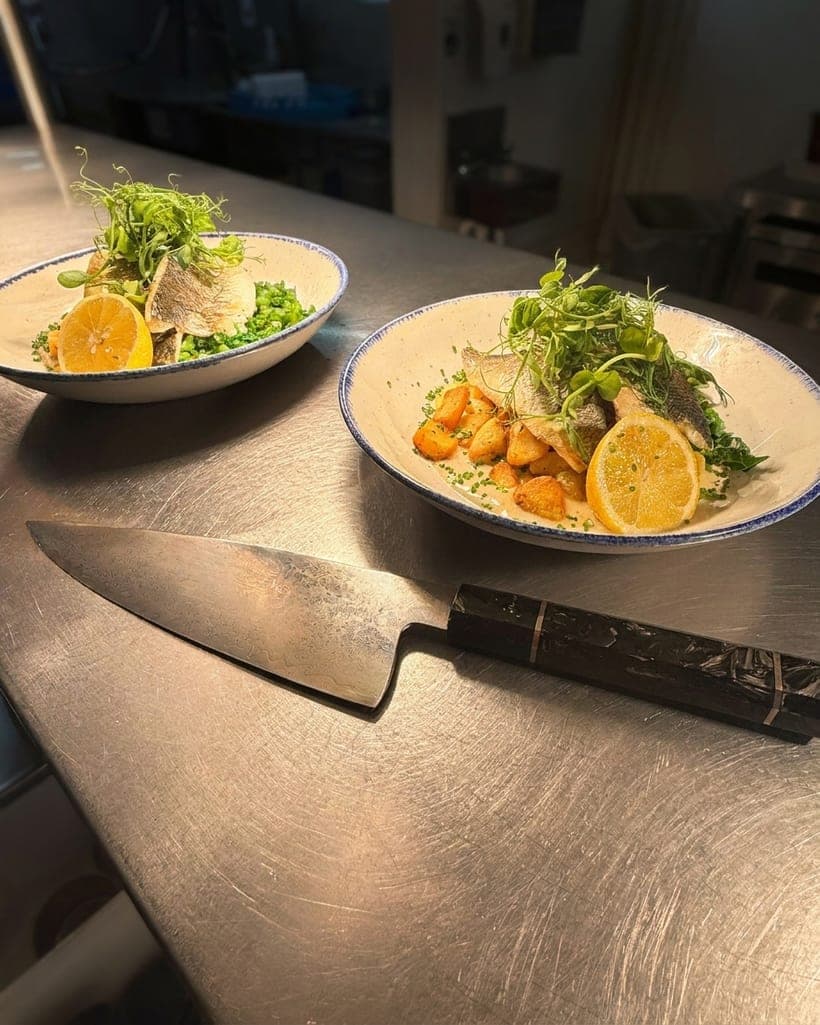
It is not just vegetables that benefit. Proteins—fish for sashimi, chicken for roulades, beef for carpaccio—require precise, clean cuts to maximize tenderness and visual appeal. Stress or sawing during slicing, inevitable with a dull or overly thick blade, compresses fragile flesh and shreds delicate fibers. This is especially tragic with raw preparations, where the silky translucency of the slice is crucial to the dish’s allure. With a Gyuto, a cook can portion these proteins in a single, smooth draw, leaving surfaces that glisten rather than weep.
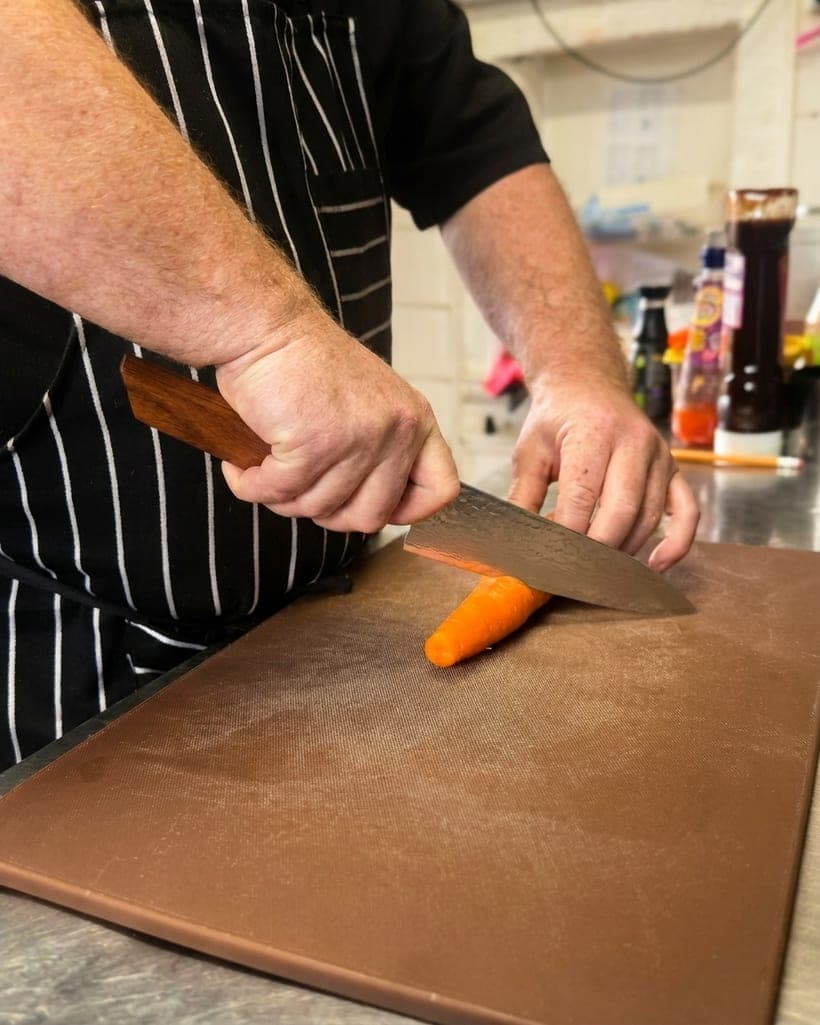
Such performance is not only about aesthetics. Clean, symmetrical cuts cook more evenly. A julienne of carrots made with sloppily cut sticks will never sauté as gracefully as one made with consistent strips. Presentation becomes a matter of technical precision, which circles back to a better eating experience. The Gyuto is not simply an artistic paintbrush — it is an engineering tool for creating the optimal bite.
Yet despite these advantages, using a Gyuto well comes with challenges. The very sharpness that makes the knife so effective also makes it less forgiving. Dull Western knives have trained many cooks to use force, which is unnecessary and even dangerous with harder Japanese steel. The thinness of the blade, while excellent for fine work, can make heavy chopping through bone or frozen foods risky, potentially chipping the edge or causing slippage. Thus, the Gyuto demands not only skill but respect. It asks its user to recalibrate habits and to slow down—a paradox, since the smoothness of the cut can actually speed up mise en place once mastered.
There is an opportunity in this learning curve. Adopting the Gyuto as a primary tool can itself be a gateway to mindful cooking. There is almost a meditative quality to guiding the blade, feeling its path, and observing the transformation on the board. This attention radiates outward. An awareness of knife work often changes the way a cook thinks about ingredients and recipes. Delicate herbs demand more care. Sauces must be painted on the plate, not smudged. Portions are measured not by rough division but by careful, conscious slicing. Before long, a plate ceases to be just a surface for food and starts to become a canvas.
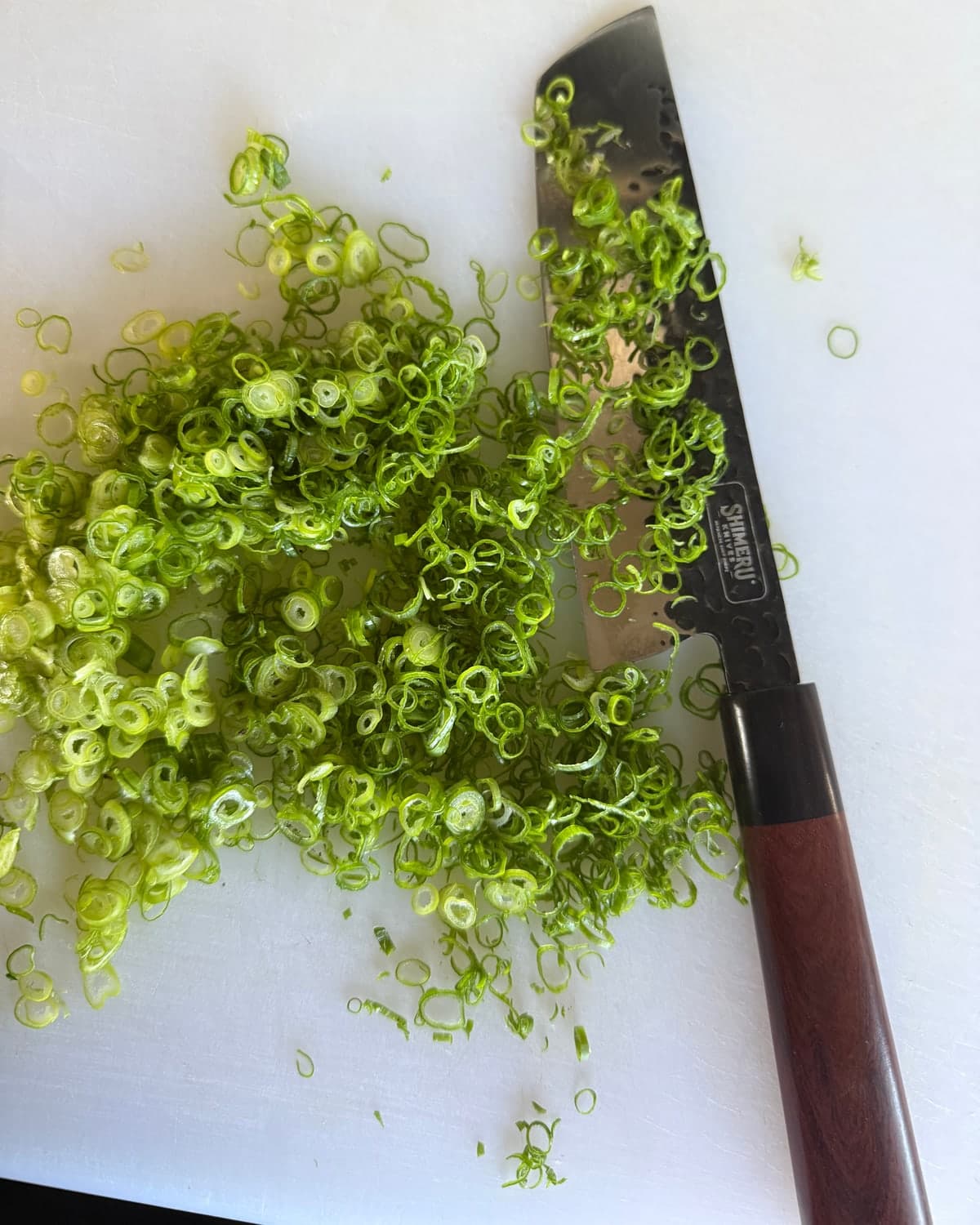
In the wider culinary trend toward open kitchens and chef’s tables, the performance of preparation is as much a part of the dining experience as the presentation of the finished dish. Here, the Gyuto is both prop and protagonist—a tool that enables skill while making that skill visible. The whisper of a knife slicing through chives becomes its own sensory enticement.
For readers wondering whether the investment in a Gyuto is worthwhile, the answer depends as much on approach as aspiration. Those interested only in preparing food quickly may find the transition less dramatic. But for anyone interested in elevating the everyday—turning a weeknight salad into a tapestry of perfectly cut vegetables, or plating a steak beside a chiffonade of scallion that looks wind-swept—the Gyuto is an invitation to a higher craft. It is an object lesson in how the right tool, wielded with care, transforms not just the food but the cook and the meal itself.
There are, too, lessons for the broader world. In a culture often obsessed with speed and efficiency, the rise of the Gyuto speaks to the persistent value of precision and beauty. It reminds us that craft and intention add meaning not just to the finished product, but to each step along the way. A sharp Gyuto, in skilled hands, makes the invisible work of preparation visible on the plate. In the end, each beautiful dish is both a meal and a message—a testament to the quiet artistry of those who honor blade, board, and the transformative power of attention.