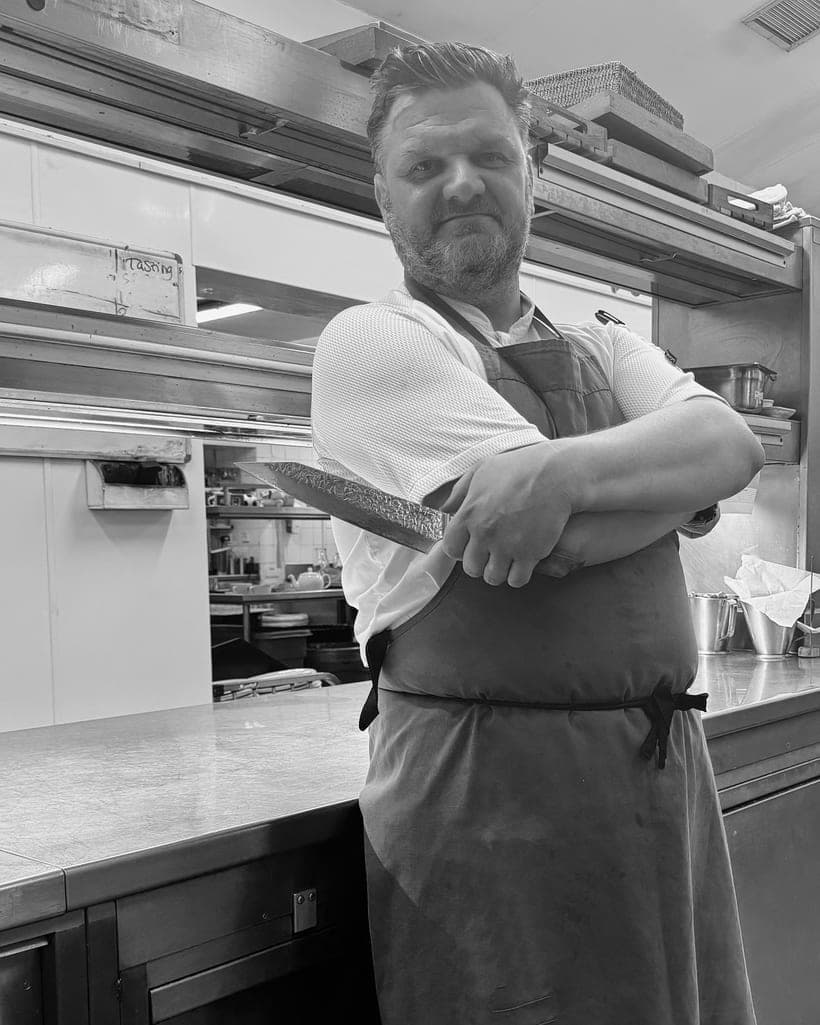
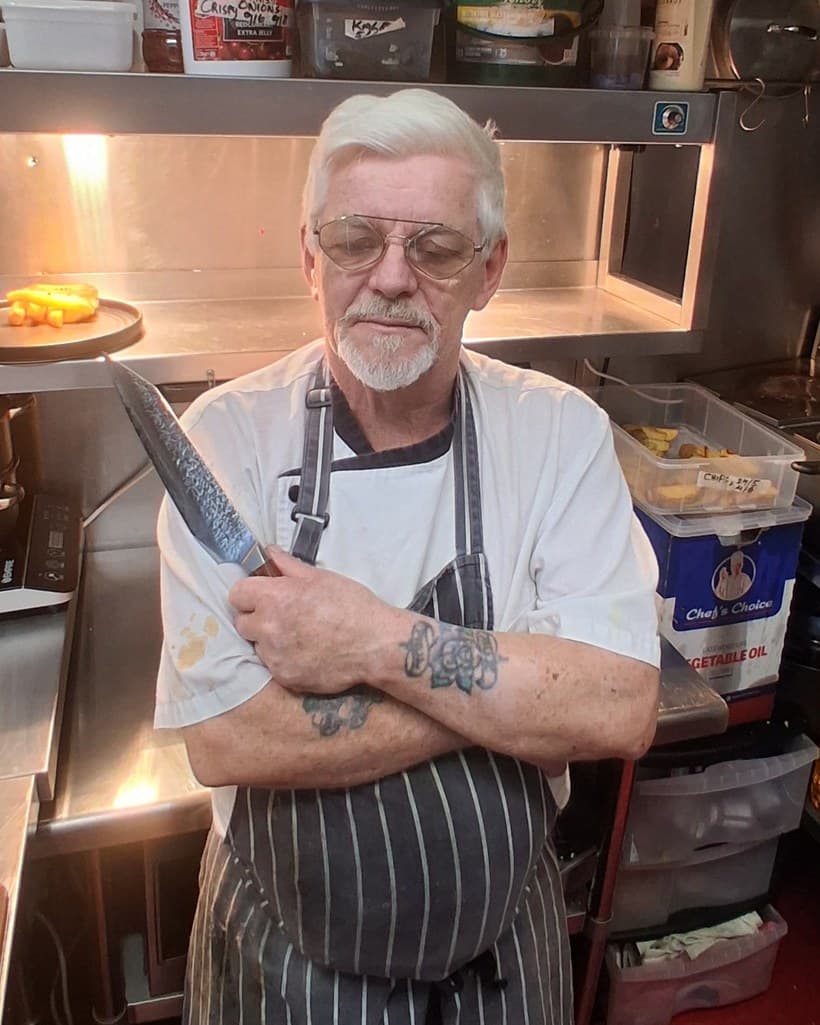
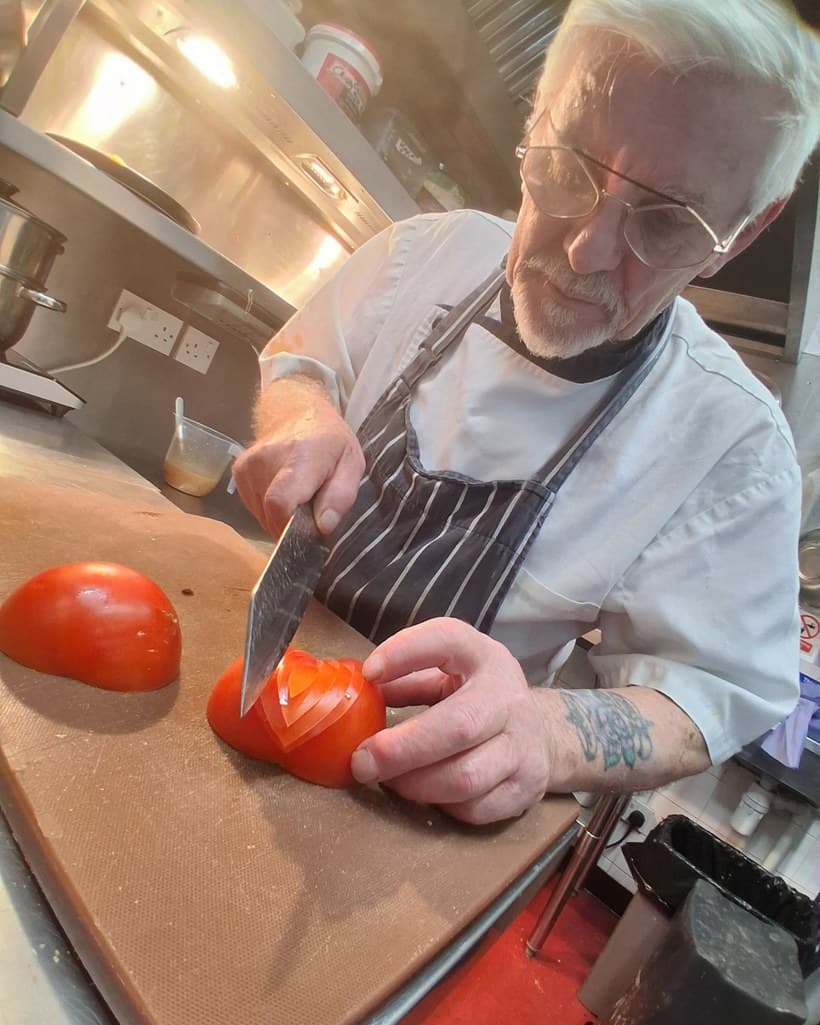
The Gyuto Knife: Precision, Power, and the Pursuit of a Safer Kitchen
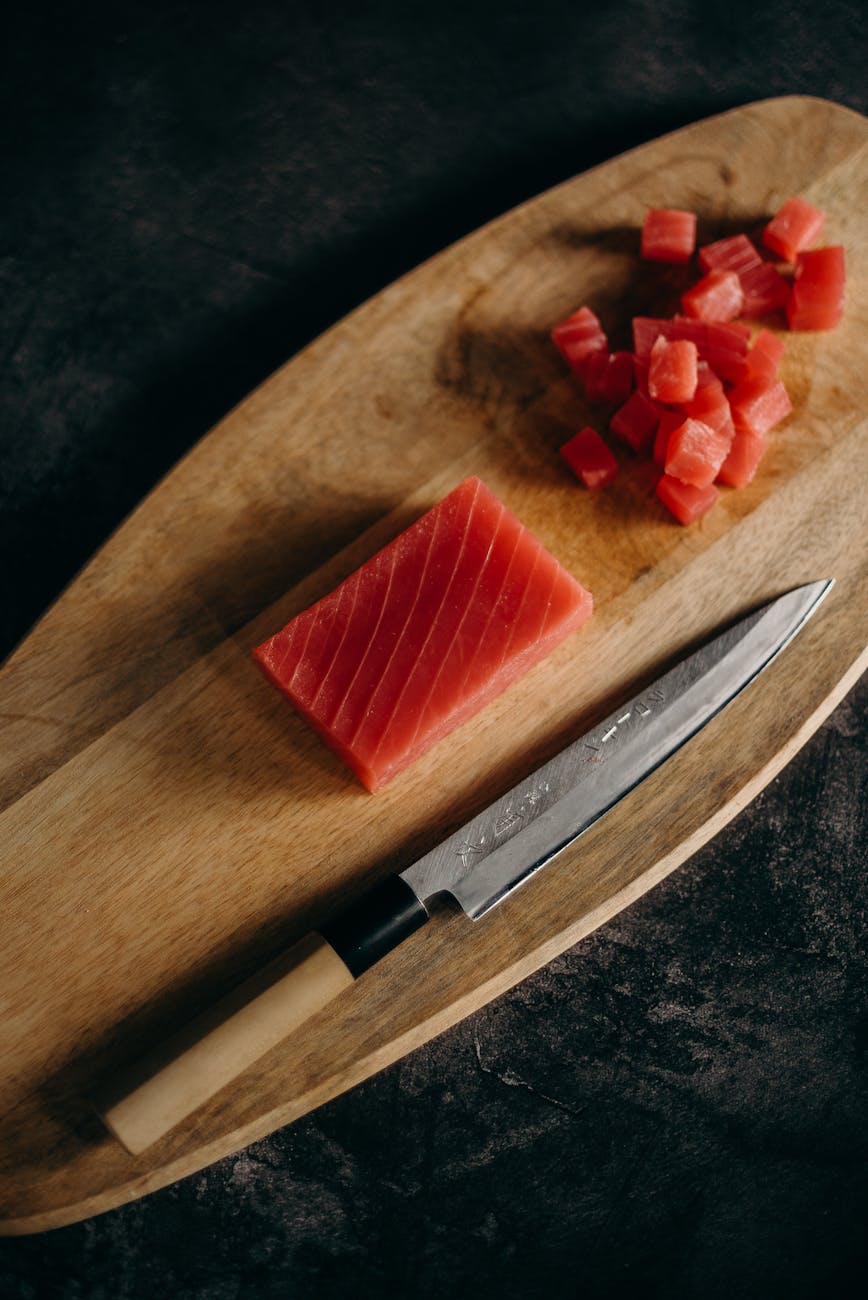
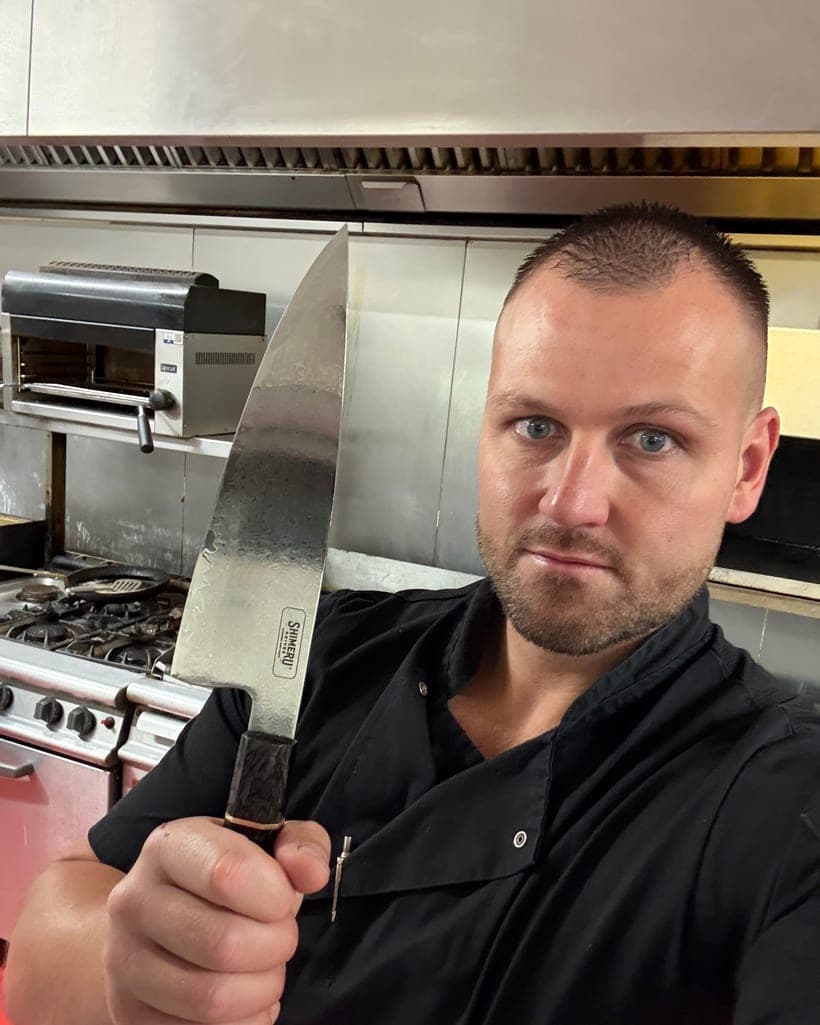
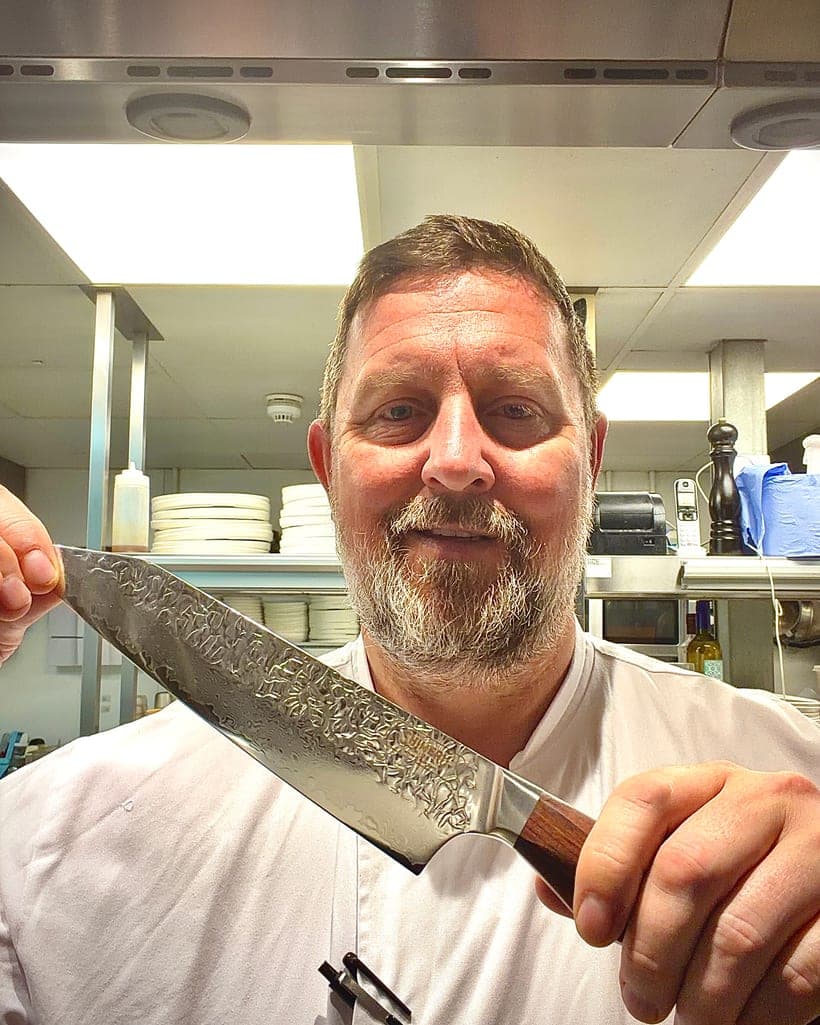
In the shimmering world of culinary artistry, the Gyuto knife occupies a place of reverence. Designed originally as the Japanese answer to the Western chef’s knife, the Gyuto is both versatile and exceptionally sharp, with a thinner blade profile that sails through vegetables, meats, and herbs alike. It is also, in an unfortunate sense, the most unforgiving tool for a home chef who forgets that power must always be matched with prudence.
Accidents with kitchen knives, particularly ones as agile and sharp as the Gyuto, are surprisingly common. In emergency rooms across the globe, knife injuries consistently top the list of cooking-related admissions, and the frequency grows alongside the popularity of high-performance blades. While there’s much to be said for knife skills, safety is an under-discussed pillar that separates confident, creative cooks from cautionary tales.
The Gyuto Appeal—and Its Risks
Why have Gyuto knives become staples in so many kitchens? Their edge retention and slicing precision offer unmatched control. The blades are forged with hard Japanese steel, often honed to a razor’s edge, allowing for paper-thin cuts and cleaner work. For professional chefs, that means speed without sacrifice; for passionate home cooks, it means elevating the everyday into something extraordinary.
Yet the same qualities that make the Gyuto a prized instrument also demand a heightened degree of respect and caution. The blade is much thinner than most Western chef’s knives, making it susceptible to chips or breaks if misused. Its sharpness, while an asset, leaves even experienced cooks just a split-second away from a serious injury if concentration falters. When an accident happens with a Gyuto, the cuts are deeper and more precise, often bypassing superficial skin layers and, in some cases, interfering with nerves or tendons.
The Culture of Cutting Corners
Underlying the statistics is a culture of complacency. Many home cooks overestimate their skills, emboldened by cooking shows and viral recipe videos that convert difficult techniques into the illusion of ease. Knife safety rarely features in these glamorous narratives. Guidance from older generations too often focuses on fingerprint-smudged blade preference, edge maintenance, and chopping speed, leaving the crucial culture of safe habits in the shadows.
The challenge is compounded by the rise of online shopping. People can now order a high-end Gyuto with a few clicks, often with little exposure to its specific handling requirements. The confidence inspired by sharp, gleaming steel is seductive but, very quickly, can become dangerous bravado if not grounded in awareness.
Foundations of Safe Handling
Safe handling of a Gyuto begins before the blade ever meets an onion or carrot. Storage matters: loose knives in drawers are an invitation to injury. Magnetic strips, sheaths, and dedicated knife blocks keep blades—and fingers—protected. Hand washing is safer than letting knives tumble in the sink, where a hidden edge under suds is an accident waiting to happen.
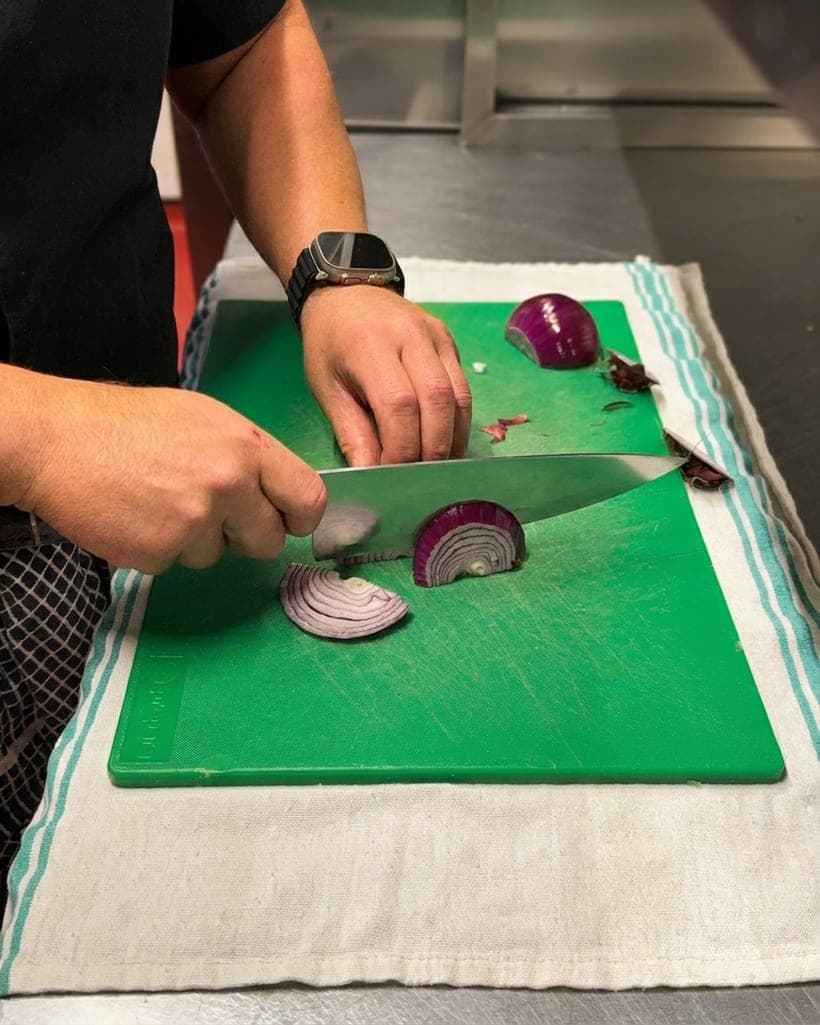
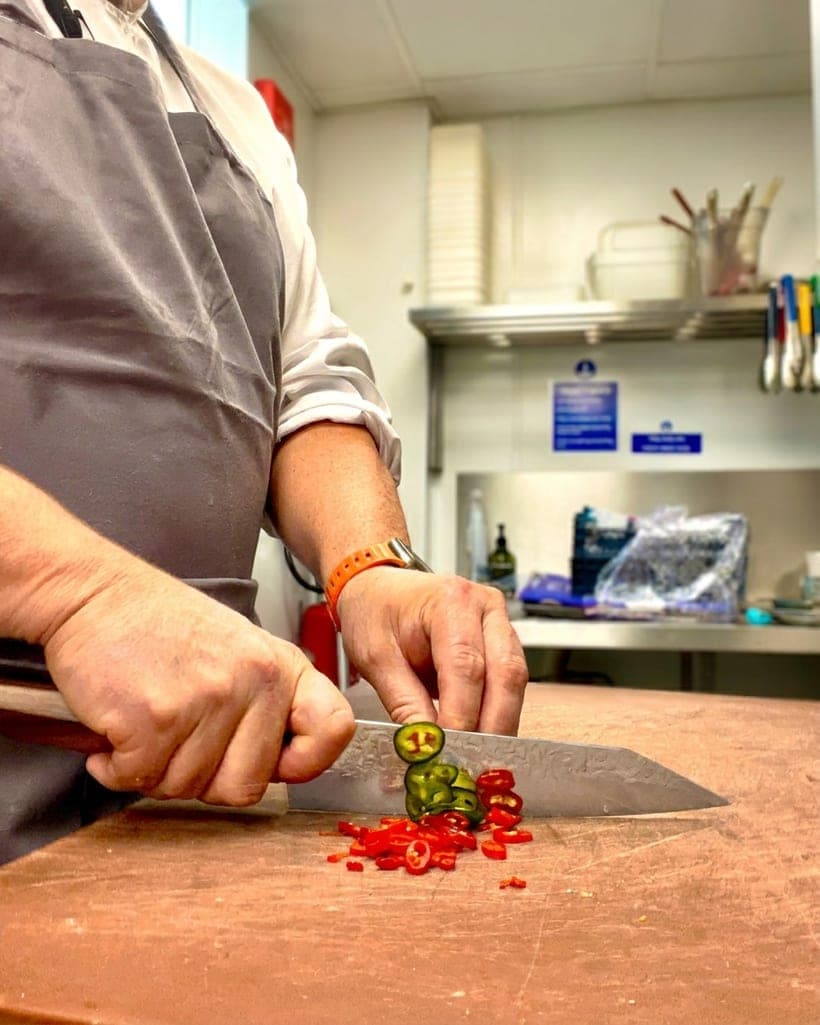
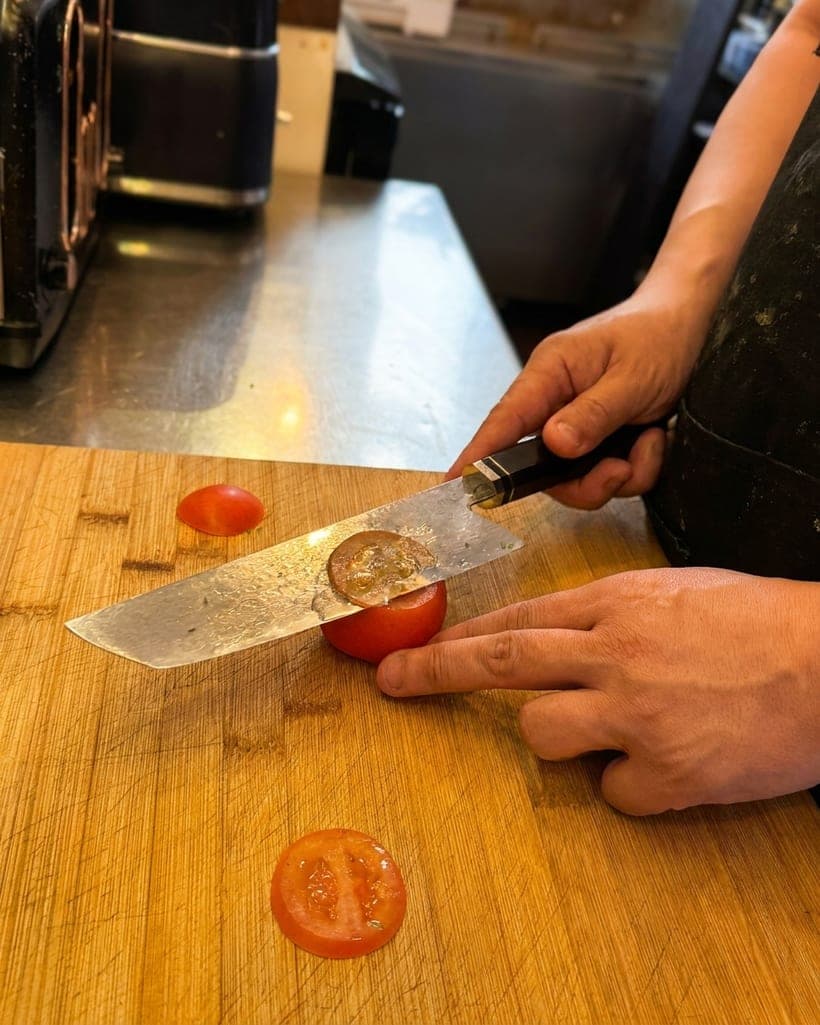
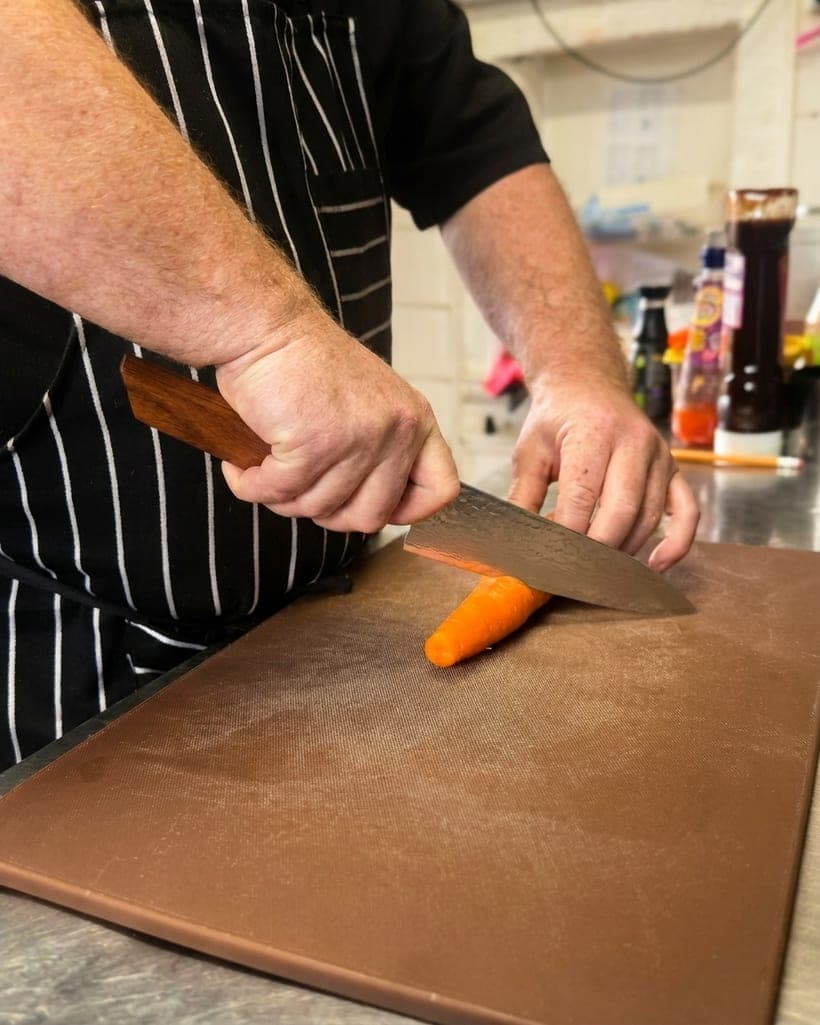
But perhaps the most vital foundation is proper grip and technique. Knife skills are often framed as ways to impress guests or streamline dinner prep but, at their core, they are about self-preservation. Learning to pinch the blade at the bolster with thumb and forefinger improves control and prevents slipping. The non-cutting hand should form a claw, curling fingertips under so the knuckles act as a guide. This choreography seems simple, yet is difficult to master under the pressure of multitasking, culinary showmanship, or fatigue.
Thoughtful users cultivate habits that prevent lapses. Positioning the cutting board at hip height, anchoring it with a damp towel, and working with dry hands are small interventions that produce outsized safety dividends. Even the rhythm of the work matters: a deliberate, unhurried pace allows for consistent focus. Incidents tend to happen when distractions are highest or confidence exceeds competence.
Opportunities for Technology and Design
Technology and thoughtful design have begun to address some of the risk. Modern Gyuto knives sometimes integrate texturing or ergonomic handles to improve grip. Anti-slip coatings and balanced weights offer subtle corrections for shaky hands or busy minds, especially during marathon prep sessions. Advances in blade metallurgy have made them more damage-resistant than traditional carbon steel options.
Yet hardware alone cannot solve the problem. Some companies now package their best blades with QR codes that link to knife safety tutorials, a small step toward cultivating better habits at scale. Virtual knife skills classes, often bundled as perks with premium purchases, are rising in popularity, reflecting an understanding that education is a crucial opportunity for innovation.
A Turning Point in Kitchen Culture
What is less obvious, but just as promising, is a subtle shift in kitchen culture itself. Social media has devoted spaces to “knife fail” cautionary tales and personal injury anecdotes that invite both schadenfreude and self-reflection. Professional chefs influence their audiences not only through dazzling technique but by openly modeling safety best practices. The once-neglected foundation of knife safety is being re-evaluated as an essential pillar of cooking itself.
Old wisdom is being rediscovered: never attempt to catch a falling blade, cut away from the body, and above all, keep the tip grounded until lifting for a cut. These maxims are finding new life in an age where millions of new knife owners learn not just what to cook, but how.
Lessons for Every Cook
The rise of the Gyuto knife in global kitchens mirrors the democratization of culinary excellence. Sharper tools have empowered people to cook with greater confidence and creativity, fueling a golden age of home cooking. But this advance is only sustainable if paired with a renewed commitment to safety.
The opportunity is not just for the avoidance of ER visits, but for a broader culture shift around how we approach risks and responsibilities in the kitchen. The most celebrated professionals do not take shortcuts where safety is concerned; neither should amateurs who wish to emulate them. Investing the patience and care to master proper use, respecting the inherent power of a Gyuto knife, and being vigilant even as skills deepen—these are the disciplines that will keep fingertips intact and kitchens thriving.
The lessons extend beyond slicing and dicing. In the kitchen, as in life, the intersection of power and precision demands humility and discipline. A Gyuto knife in skilled, careful hands is a gateway to culinary achievement. Used thoughtlessly, it is an unyielding reminder that every edge, however sharp, is only as safe as the respect it is given.