



The Enduring Partnership of Japanese Knives and the Konro Grill

In the world of culinary craftsmanship, few collaborations are as compelling as the partnership between Japanese knives and the revered Konro grill. This union is more than a trend—it is a centuries-old testament to precision, artistry, and cultural preservation. As Japanese cuisine continues to capture international imaginations, both professionals and passionate home cooks are taking a closer look at what makes these tools unique and how, together, they facilitate a culinary experience that transcends mere eating.
The Konro grill stands at the heart of Japanese grilling traditions, celebrated for its compact form and unmatched ability to produce flavor-rich dishes such as yakitori. Unlike Western grills that favor brute size and extreme heat, the Konro is an exercise in balance, efficiency, and restraint. Constructed from diatomaceous earth or ceramic, the grill’s material excels at retaining and radiating intense, steady heat while maintaining minimal fuel consumption. Whether fueled by compressed binchotan charcoal or high-end American alternatives, the Konro achieves the coveted effect of delicate char with a juicy, tender interior. Its design is intentional—not just a matter of aesthetics but the result of centuries of iterative improvement.
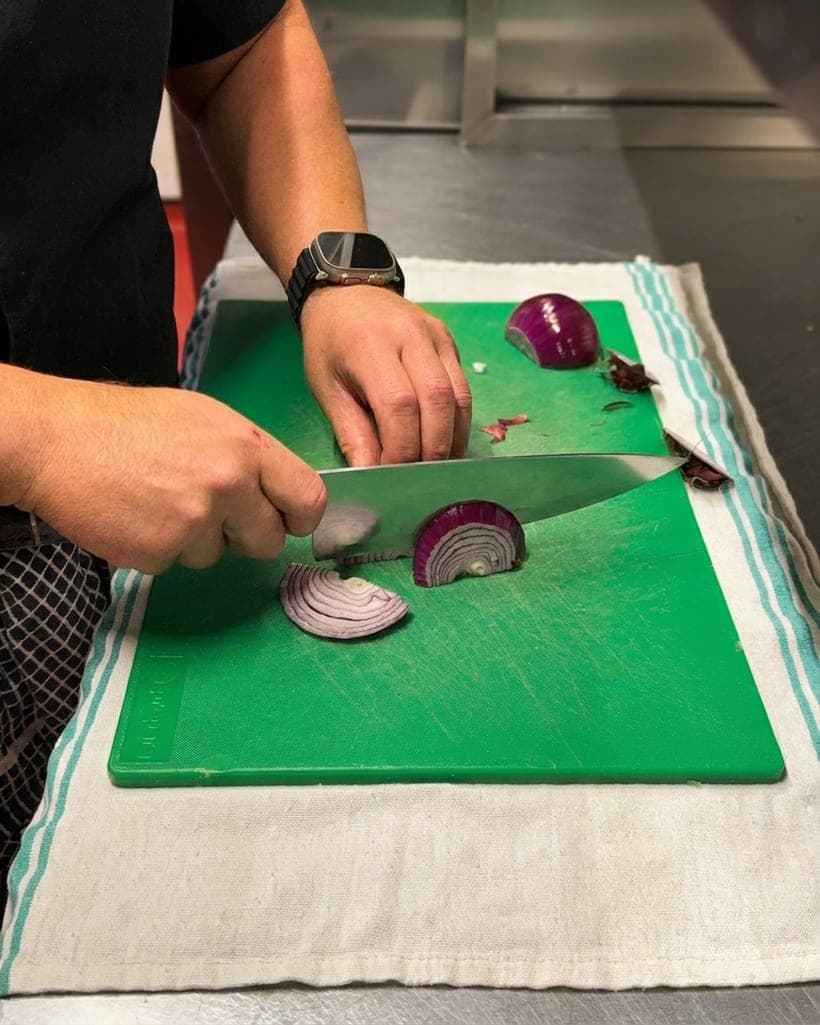
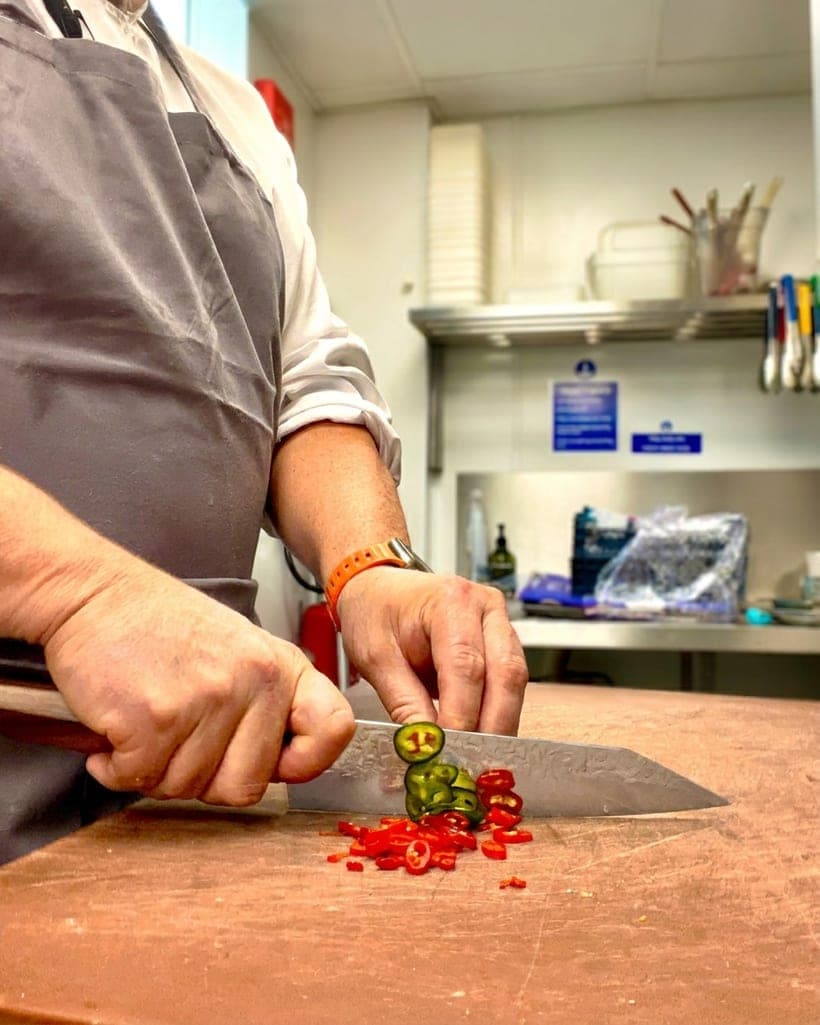
Yet, the unsung heroes of Japanese grilling are often the knives. Japanese cutlery, much like the country’s culinary philosophy, is embedded with layers of purpose and tradition. The marriage between knife and grill is foundational to the art of yakitori; the precision of the cut directly shapes the outcome on the skewer. Where the Konro ensures ideal cooking conditions, it is the knife that prepares the ingredients for their moment in the fire.
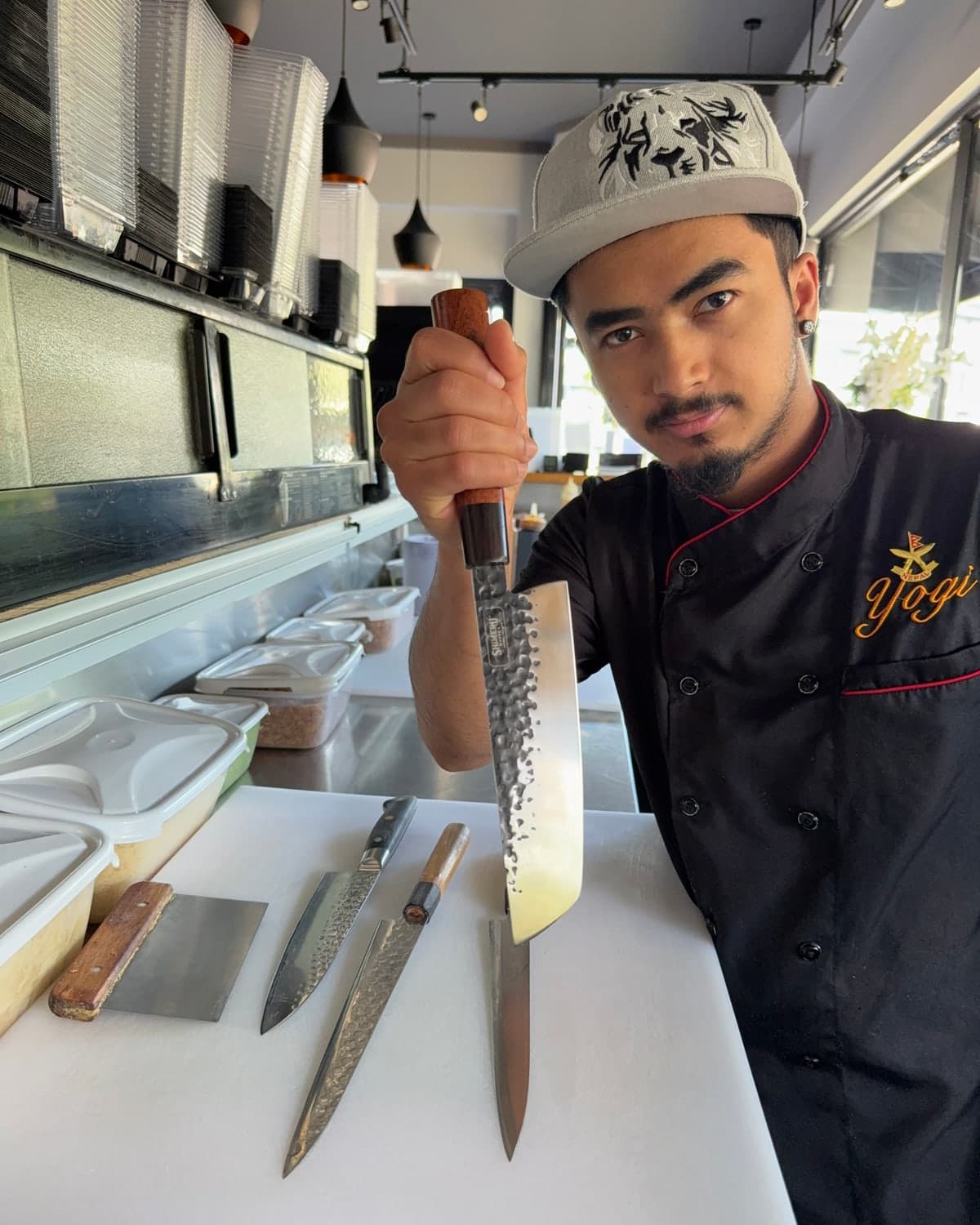
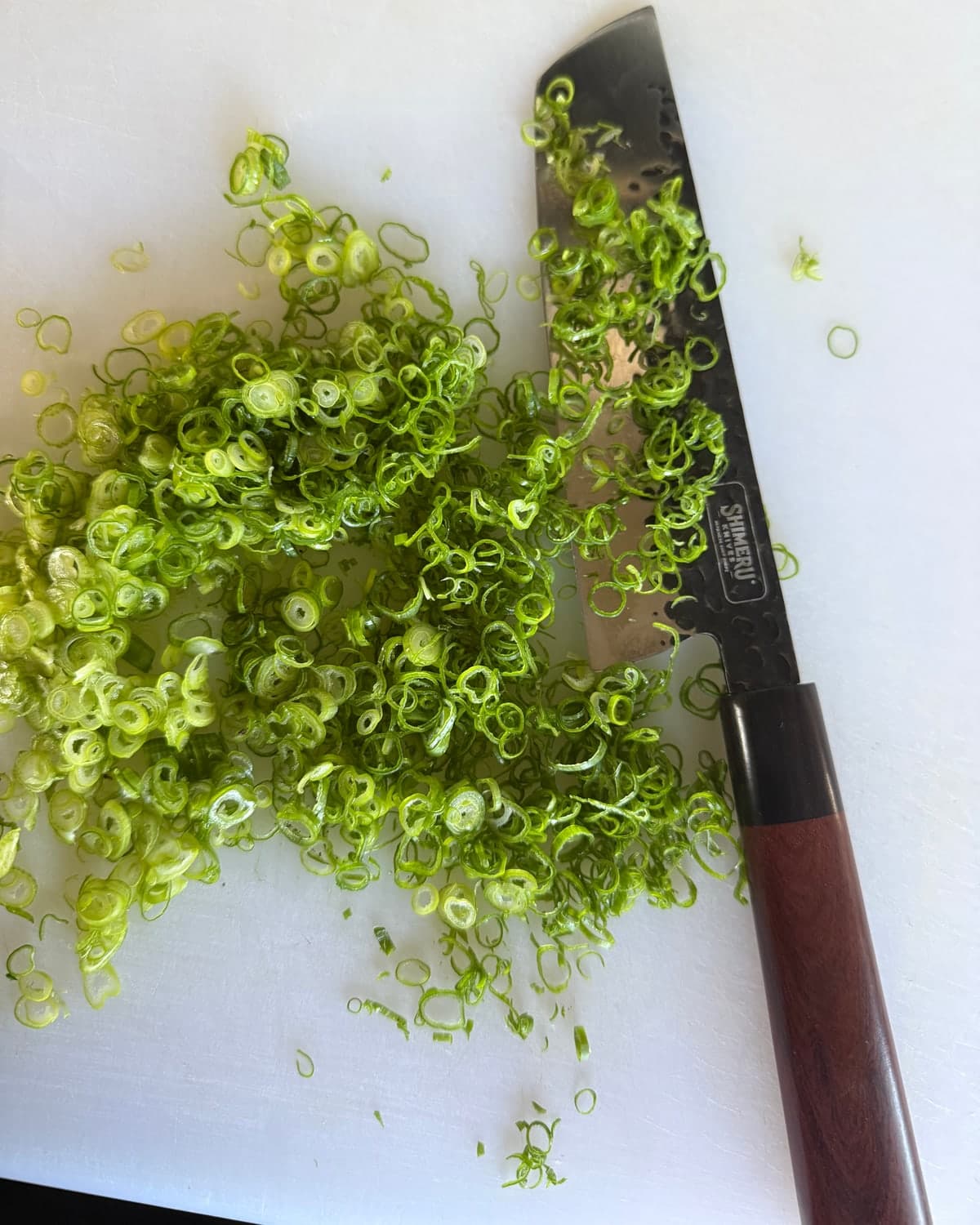
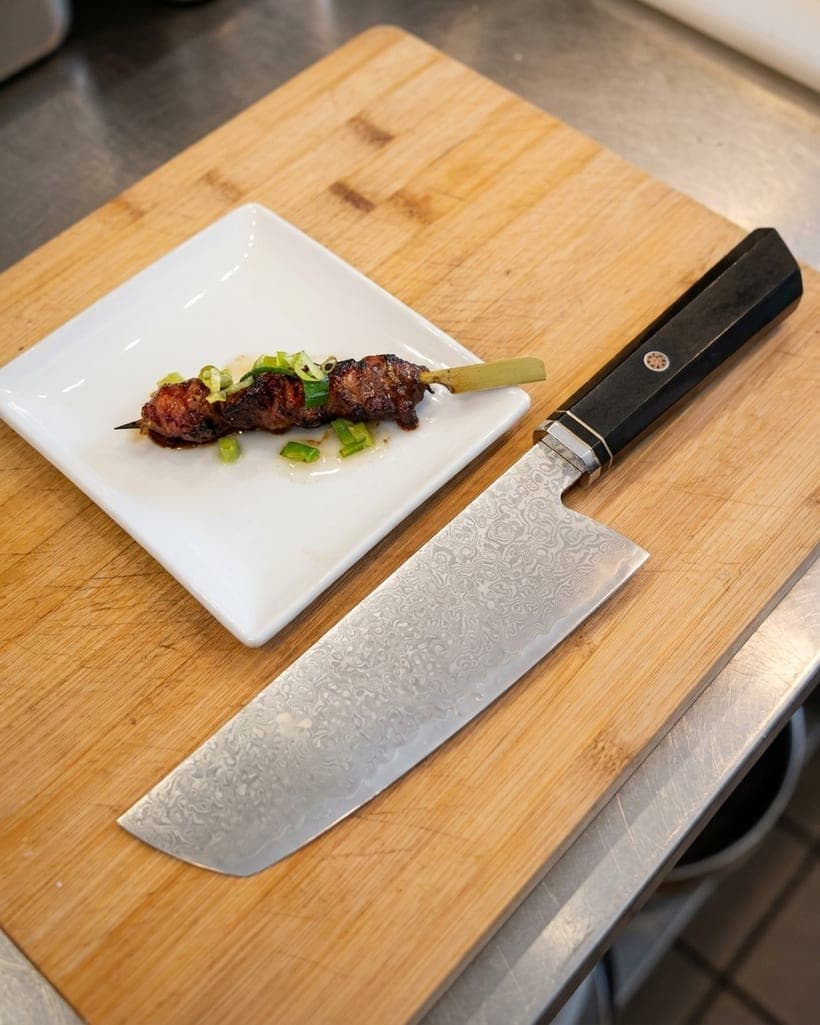
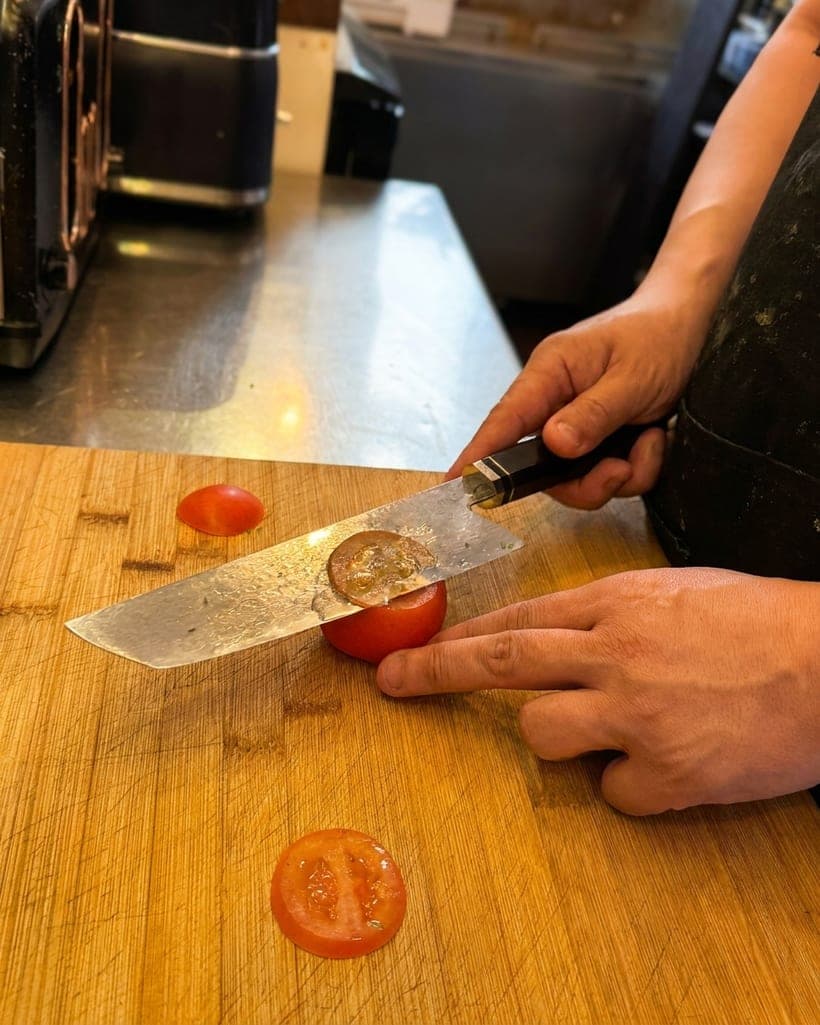
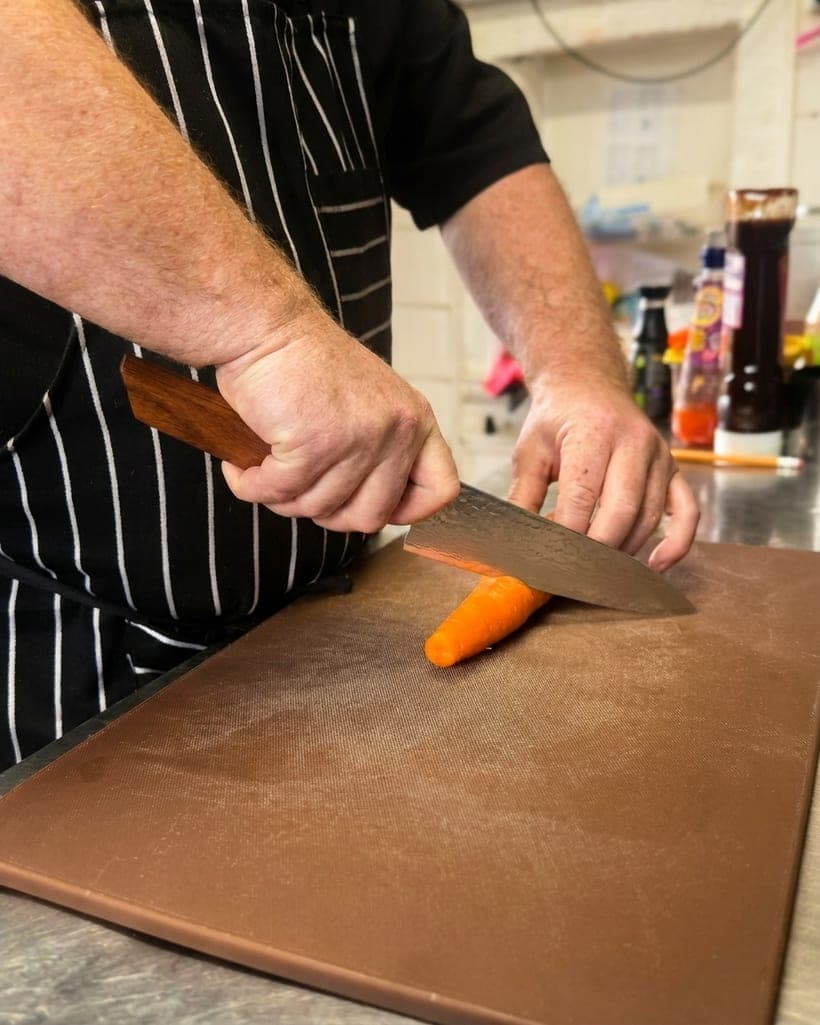
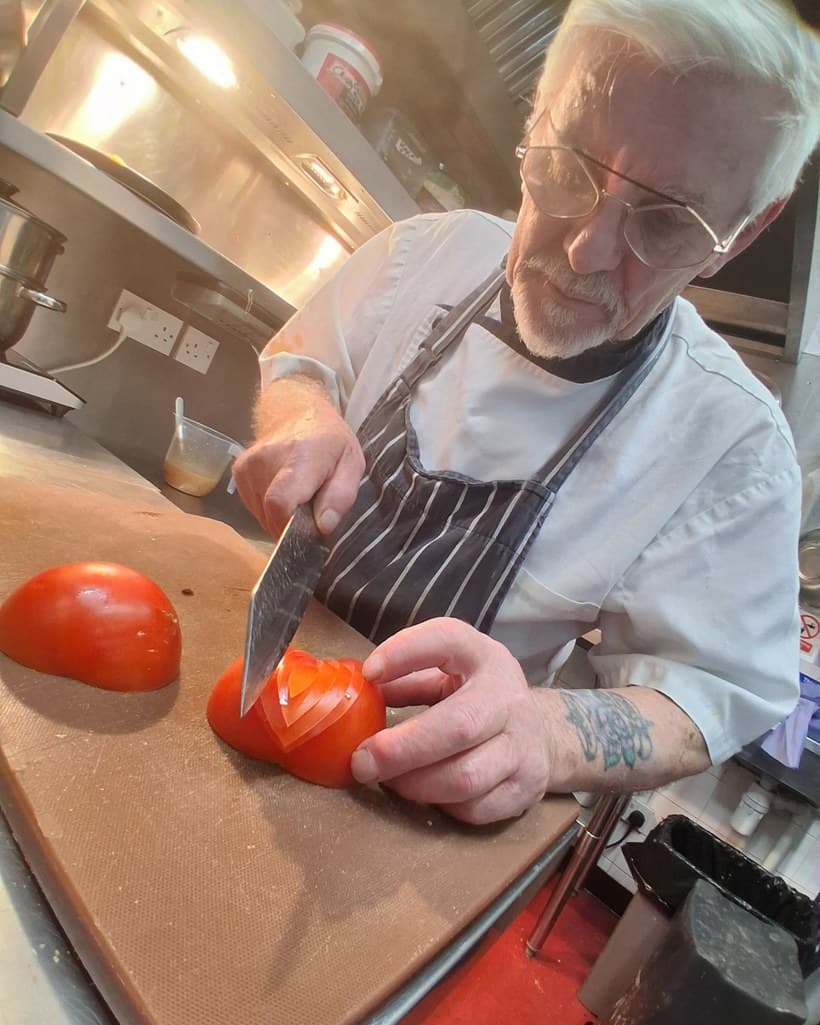
Japanese knives—whether the razor-sharp yanagiba for slicing, the sturdy deba for prepping bone-in elements, or the versatile petty knife for trimming and finishing—bring a level of finesse to every stage of cooking. Thin, expertly forged single-bevel blades allow for cleaner, smoother cuts, reducing muscle damage in the meat and preserving the integrity of fat and connective tissue. This, in turn, ensures even cooking over the grill, retains juices, and delivers the sought-after textural contrast between caramelized exterior and moist interior.
This synergy is especially apparent in the preparation of yakitori, the beloved Japanese tradition of skewered chicken grilled to perfection. A common misconception among Western diners is that yakitori is simply a matter of seasoning and fire. In truth, each element—heart, liver, thigh, breast, skin—demands different handling. The small, delicate portions require attention to both shape and thickness. Here, Japanese knives, with their specialized blades, make all the difference. A hasty, imprecise cut can leave sinew or uneven surfaces that grill poorly, leading to tough, dry, or rubbery results. By contrast, a knife wielded with skill allows the chef to expose hidden flavors, tease apart textures, and create a consistent skewer that tastes as harmonious as it looks.
As Japanese grilling and knifemaking traditions extend beyond national borders, a notable trend has emerged. Chefs and home enthusiasts worldwide are integrating these tools into their kitchens, not just as status symbols but as vital instruments of culinary discovery. The surge in popularity of the Konro grill outside Japan reflects a broader embrace of Japanese minimalism—a belief that less can be more, and that restraint enables the true character of ingredients to shine. Western chefs have begun to adopt this approach, opting for fewer but sharper tools, prioritizing technique over gadgetry, and seeking greater intimacy with their cooking process.
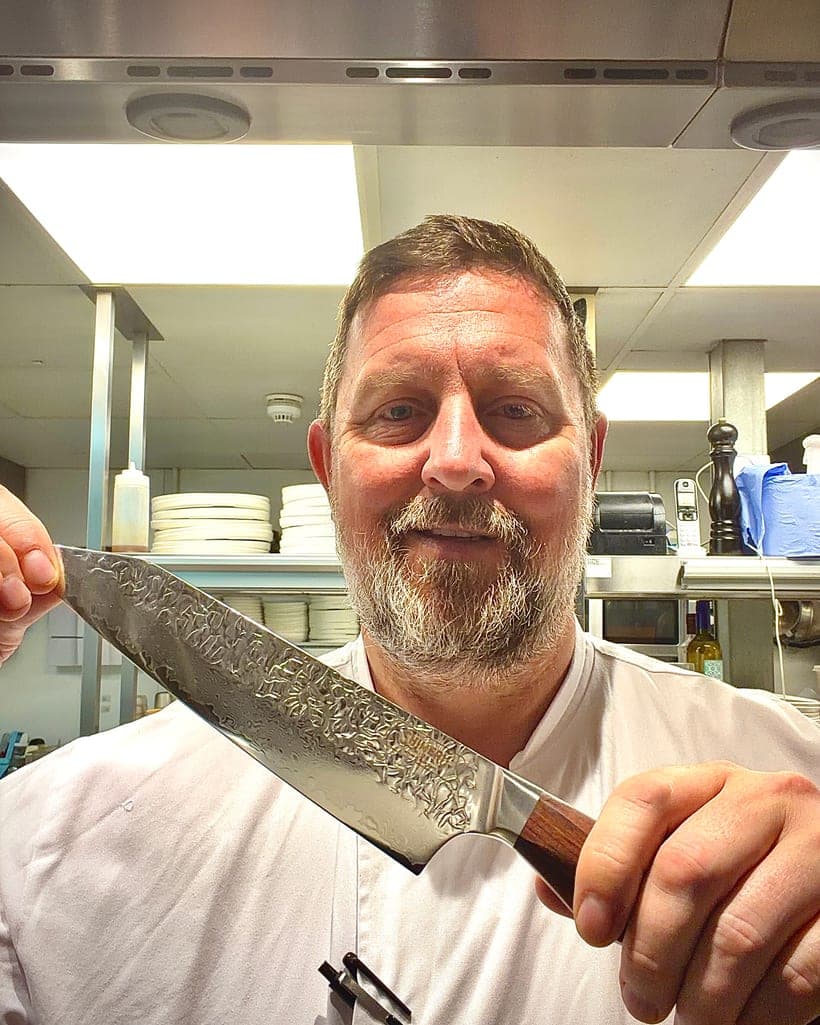
Japanese knives, long admired for their craftsmanship, are now the subject of fascination for an audience eager to learn the stories behind the blades. Blacksmiths in regions like Sakai and Seki carry centuries of tradition, producing hand-forged masterpieces that blur the line between utility and art. Investing in such knives is akin to entering a community—a quiet acknowledgment of the respect due to both the craftsman and the cook. Owners report a heightened awareness of ingredient selection, knife maintenance, and cutting technique, lessons that ripple outward into every aspect of meal preparation.
However, this growing popularity brings new challenges. The market for Japanese knives is increasingly saturated, with countless brands offering factory-milled blades that mimic the appearance but not the quality of traditional hand-forged knives. This commodification threatens the livelihoods of Japan’s blacksmithing families while sowing confusion among consumers. Similarly, as more companies market “Konro-style” grills made from inferior materials, the subtle alchemy that defines the original is easily lost. Authentic Konro grills are not simply boxes for fire; they are precision instruments designed to maximize heat radiation and minimize smoke, an achievement that only the proper materials and construction can deliver.
For the aspiring yakitori cook or grilling enthusiast, the lesson is clear: knowledge is as important as equipment. The acquisition of a fine knife or traditional grill is only a starting point. Proper training is essential, not least because Japanese knives demand more active maintenance—regular honing, occasional whetstone sharpening, careful hand-washing, and regular oiling of the blade to prevent corrosion. Likewise, mastering the Konro requires an understanding of charcoal, airflow, and the patience to work on a small scale. These tools reward careful users, and their benefits accrue alongside skill and experience.
Amidst the clamor of culinary innovation, the partnership of Japanese knives and the Konro grill offers a quiet, profound lesson: greatness is achieved not in extravagance but in mindful simplicity. When these tools are wielded with respect and knowledge, they invite cooks to slow down, focus on detail, and value every ingredient that crosses their cutting board. For diners, the result is not only superior flavor but an experience rooted in centuries of tradition—a reminder that the best meals are those that engage both palate and spirit.
As global tastes evolve and trends accelerate, the enduring appeal of Japanese knives and the Konro grill lies in their capacity to reconnect us to essentials. Their partnership is no passing curiosity; it is a model for how old wisdom can infuse new kitchens, shaping not just food but the very ways we prepare, share, and appreciate it.


