


The Art and Ritual of Japanese Carving Knives
Few tools ignite reverence among chefs quite like a well-crafted Japanese knife. The shimmer of polished steel, the delicate bevel of a perfectly honed blade, the almost meditative feel as it sinks cleanly through a roast—these qualities elevate both the act and the art of carving meat. It is no wonder that, amid the global renaissance of home cooking and professional kitchen standards, Japanese knives designed for slicing and carving cooked meats now command the attention of enthusiasts everywhere.
To understand the excellence of Japanese carving knives, you have to appreciate the history from which they spring. For centuries, Japanese blacksmiths mastered techniques of metalworking as they fashioned swords for the samurai. When sword-making waned in the late 19th century, many artisans redirected their expertise to crafting kitchen knives. The same devotion to balance, toughness, and sharpness found new purpose in the culinary realm, and the results endure today. Japanese knife-making became less about mere cutlery, more about precision engineering—and, for many, an almost spiritual legacy.
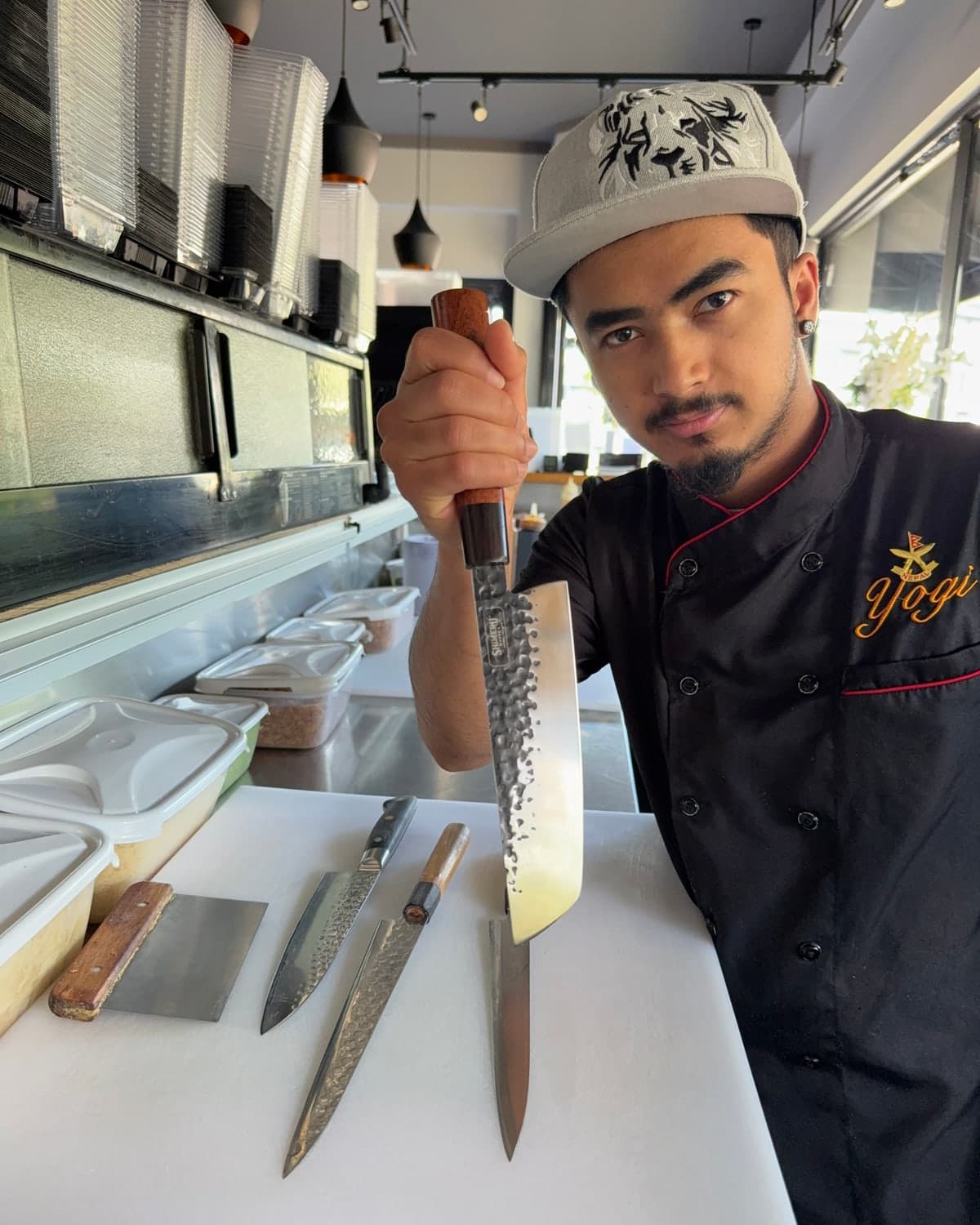
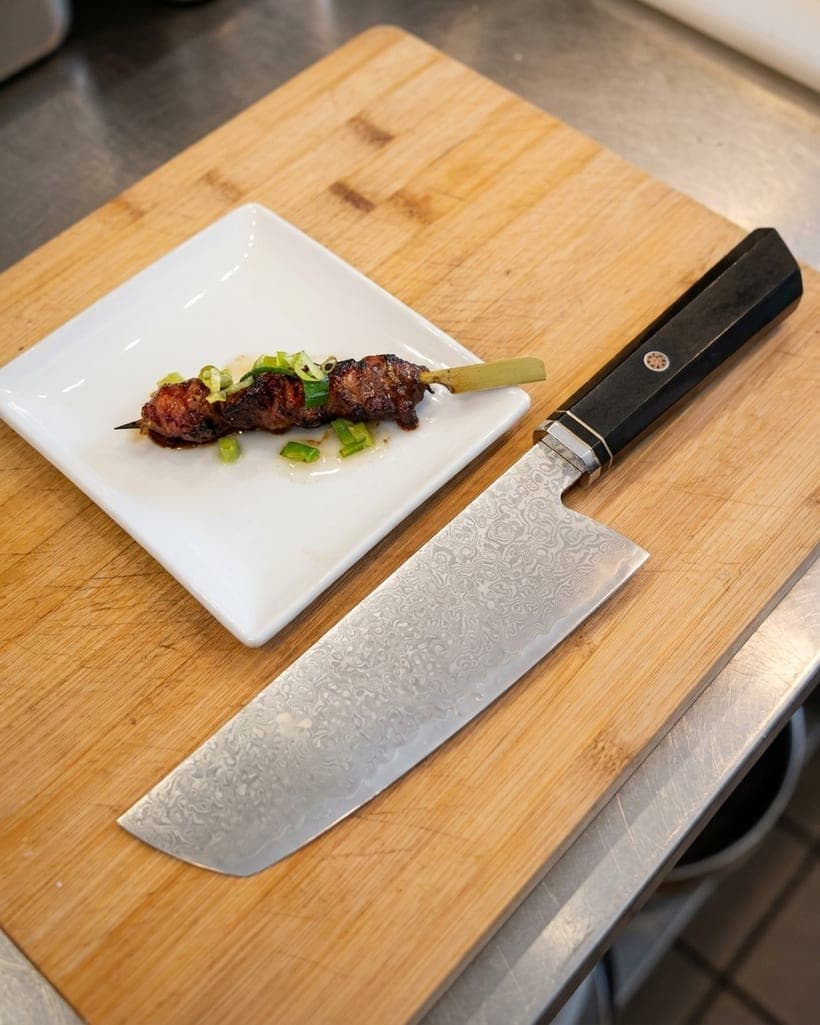
Yet within the Japanese canon, not all knives are created for carving cooked meat. Familiar names flood the conversation: the gyuto (Japanese chef’s knife), the santoku (multipurpose), the nakiri (vegetable specialist). However, when it comes to slicing through a holiday roast, a prime rib, or a lacquered duck, specific designs come to the fore. The sujihiki, literally “flesh slicer,” stands as the undisputed champion in this niche. Typically ranging from 240mm to 300mm, its blade is long, narrow, and thin, minimizing drag and creating exquisite, uniform slices that retain juices and presentation appeal.
What distinguishes a Japanese carving knife like the sujihiki from its Western counterparts? First, the geometry: Japanese blades embrace a much sharper edge angle, often honed to 12–15 degrees per side compared to the broader 20–25 degrees of many Western knives. This acute profile yields an edge that slides through protein with minimal resistance—think less force, more control. Then there is the steel. Japanese smiths often employ high-carbon varieties such as white (shirogami) and blue (aogami) steels or modern powder metallurgy options. These steels keep an edge longer, though they demand respect, regular honing, and occasional oiling to stave off rust.
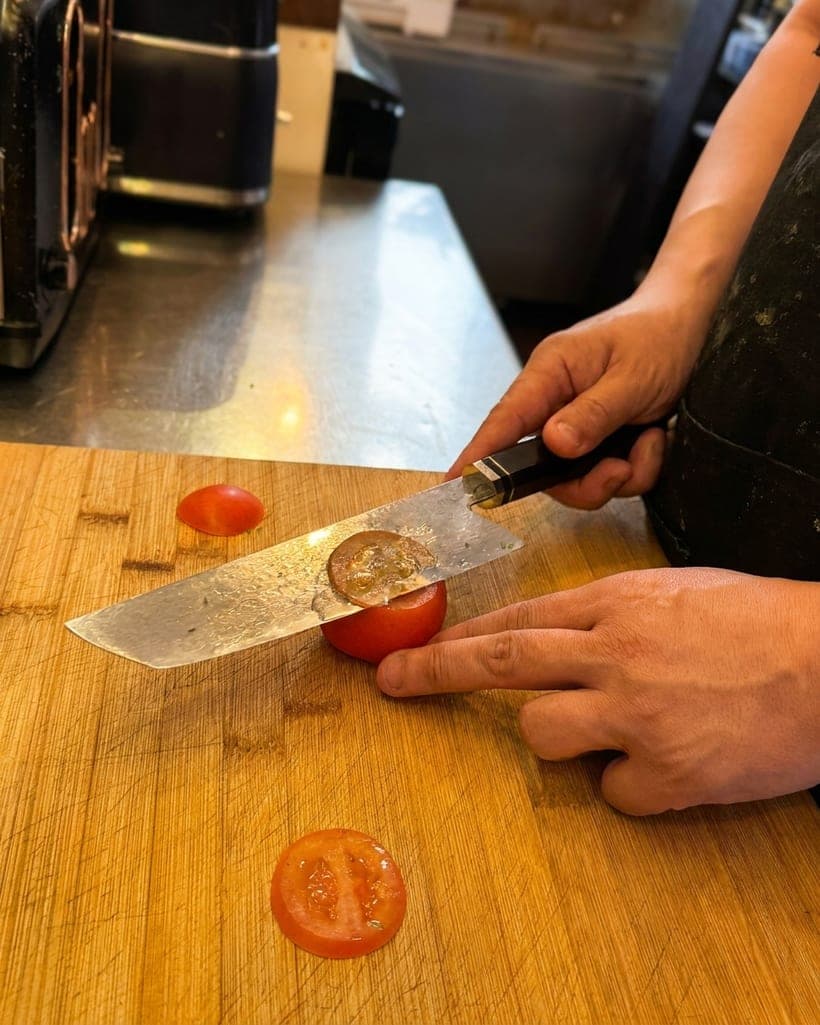
In practical terms, these distinctions mean that using a sujihiki on a slow-roasted brisket or a smoked turkey is a study in contrasts. Where a heavier Western carving set might require a saw-like motion, a well-balanced Japanese slicer glides with almost no effort. The resulting slices are fine, with little or no tearing, and the experience—at its best—becomes almost sensual, a reminder that cooking is deeply tied to ritual.
However, this level of performance comes with trade-offs. Japanese carving knives, especially those made with high-carbon steel, are less forgiving of neglect. They can chip if misused against bone. They take time to maintain, and they prefer wooden or synthetic boards, not glass or marble. For many, this is not a drawback but a feature: a tool that asks its user to slow down and care, and in so doing, imparts a connection to craftsmanship easily overlooked in our disposable era.
Manufacturers, from storied houses like Masamoto and Yoshihiro to younger disruptors like Sakai Takayuki and Shun, all produce sujihiki knives that are increasingly accessible outside Japan. The pandemic-induced surge in home cooking, as well as the global popularity of cooking shows, has introduced new audiences to these blades. Demand is at an all-time high, and with it comes both innovation and imitation. While genuine hand-forged knives can command dizzying prices, the proliferation of machine-forged alternatives brings the Japanese carving tradition within reach of more people. There is, of course, a caveat: not all Japanese-looking knives are created equal. The internet is rife with mass-produced, lower-quality options, so discerning buyers must pay attention to origin, materials, and reputation.
For professional chefs, a high-end sujihiki or yanagiba (the single-bevel alternative preferred in sushi bars for sashimi and raw preparations) is a business investment—a signal of seriousness and respect for the product. In the hands of a skilled carver, these knives make light work of large cuts, maximize yield, and bring out the best in taste and texture. The same tools, however, can be transformative for the home cook. There is a palpable joy in finally being able to carve that porchetta or glazed ham into beautiful, whisper-thin pieces worthy of a fine restaurant. With the right blade, even the family Sunday roast can take on an elevated form.
Challenges remain, however, and thoughtful readers will recognize that simply owning a high-quality Japanese knife does not guarantee culinary excellence. Skill matters. The sharpness and precision of these tools demand proper technique—steady, deliberate strokes, confidence in hand placement, an understanding of muscle grain and how to reveal the meat at its best. The tactile feedback of steel through flesh can teach cooks more about anatomy and physics than any textbook. In a sense, the knife becomes a teacher, nudging its wielder to develop new skills—cleaner cuts, improved presentation, and above all, patience.
The lesson for the wider world is clear. In an age obsessed with speed and convenience, the rise of Japanese carving knives for meat reflects a quiet countercurrent: a renewed appreciation for tradition, for quality over quantity, and for the deep satisfaction that comes from doing something well. Whether at a restaurant or at home, slicing and serving a roast with a finely tuned Japanese blade is both a pleasure and a privilege, a reminder that even the most routine act can become extraordinary with the right tool and the right care.
For those willing to embrace the discipline—and the delight—of Japanese knives, the rewards are as enduring as the blades themselves. Here, in the shimmer of steel and the whisper of an edge at work, ritual meets innovation. Whether you are a seasoned chef or an aspiring home cook, investing in the right Japanese carving knife could change not only how you cut meat, but how you experience the kitchen itself.


