


The Art and Craft of Gyuto Knife Maintenance
There is a journey in the making of every fine meal—a culinary voyage that truly begins not with the ingredients, but with the tool in hand. For chefs and home cooks alike, the Gyuto knife embodies this silent partnership. The Gyuto, Japan’s resounding answer to the Western chef’s knife, mixes nimble grace with workhorse reliability, enabling everything from chiffonading herbs to confidently portioning a roast. But its high performance is no accident. To maintain the Gyuto’s hallmark edge and balance, attentive maintenance is essential.
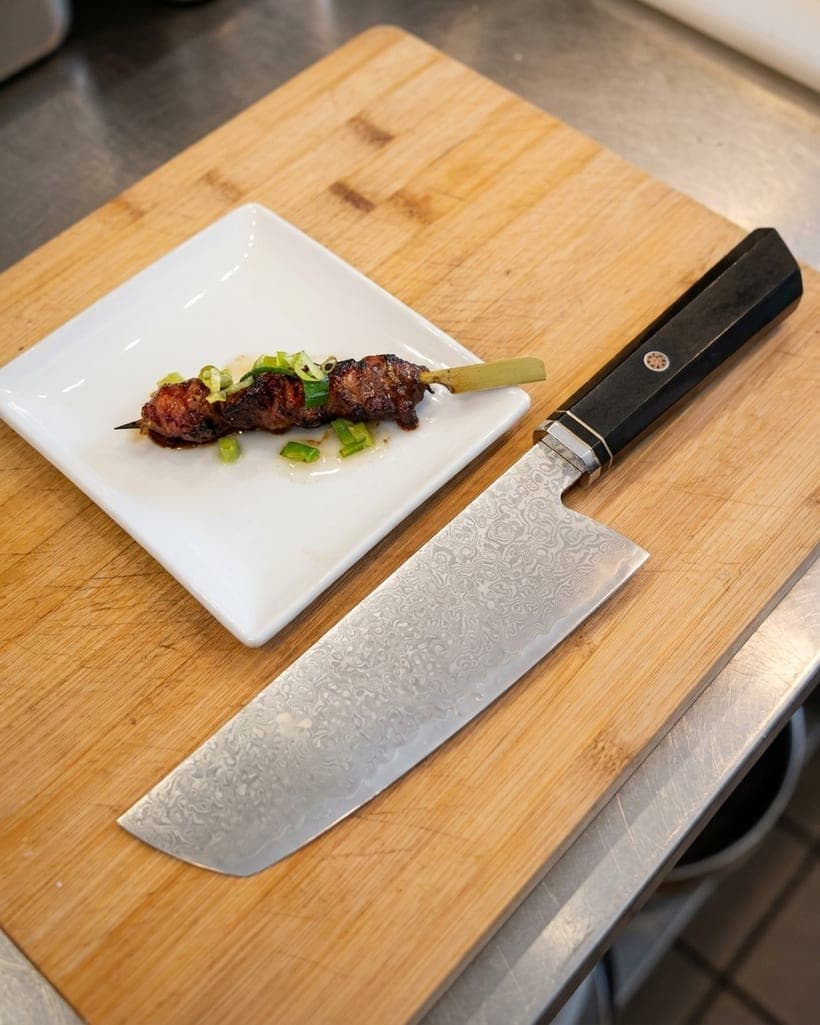
Some view kitchen knives as mere instruments: faceless tools used, washed, and left to drift in their drawer. The Gyuto, however, resists such indifference. Meticulously forged from hard, fine-grained steels, sometimes with layers folded over hundreds of times, this blade demands a reciprocal care—a respect for craftsmanship handed down through centuries. This care is not simply about aesthetics or snobbery, but about preserving the nuanced cut, the decisive motion, and the harmony between blade and hand.
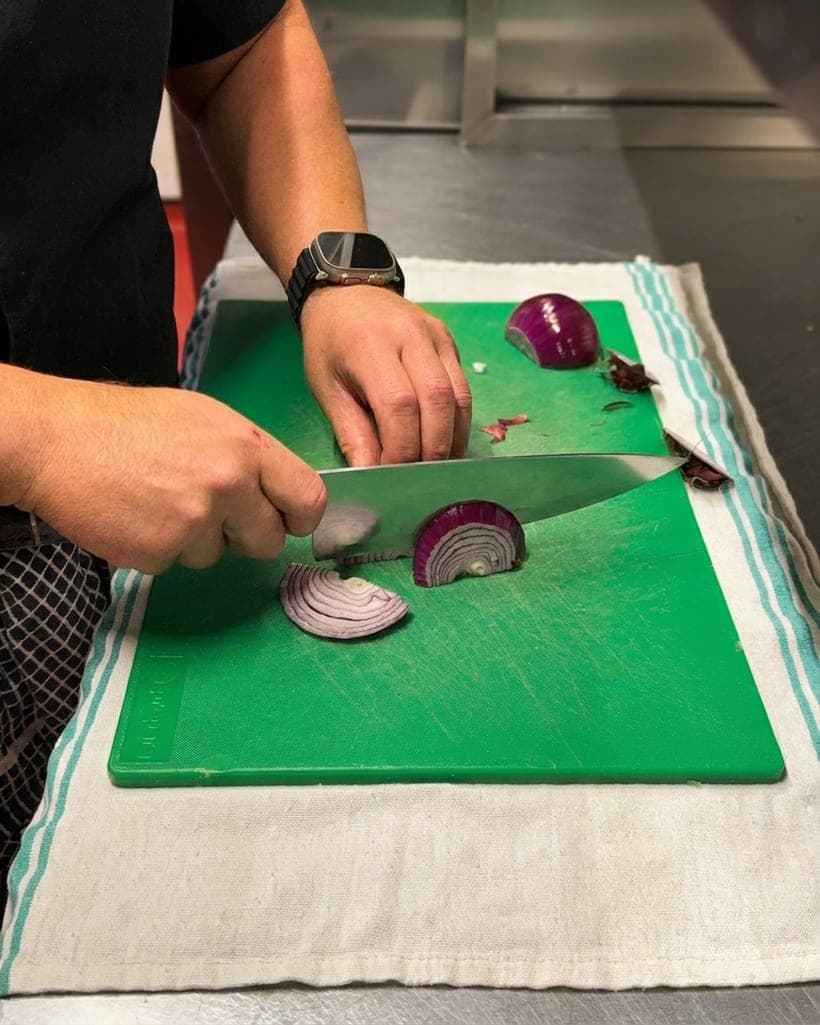
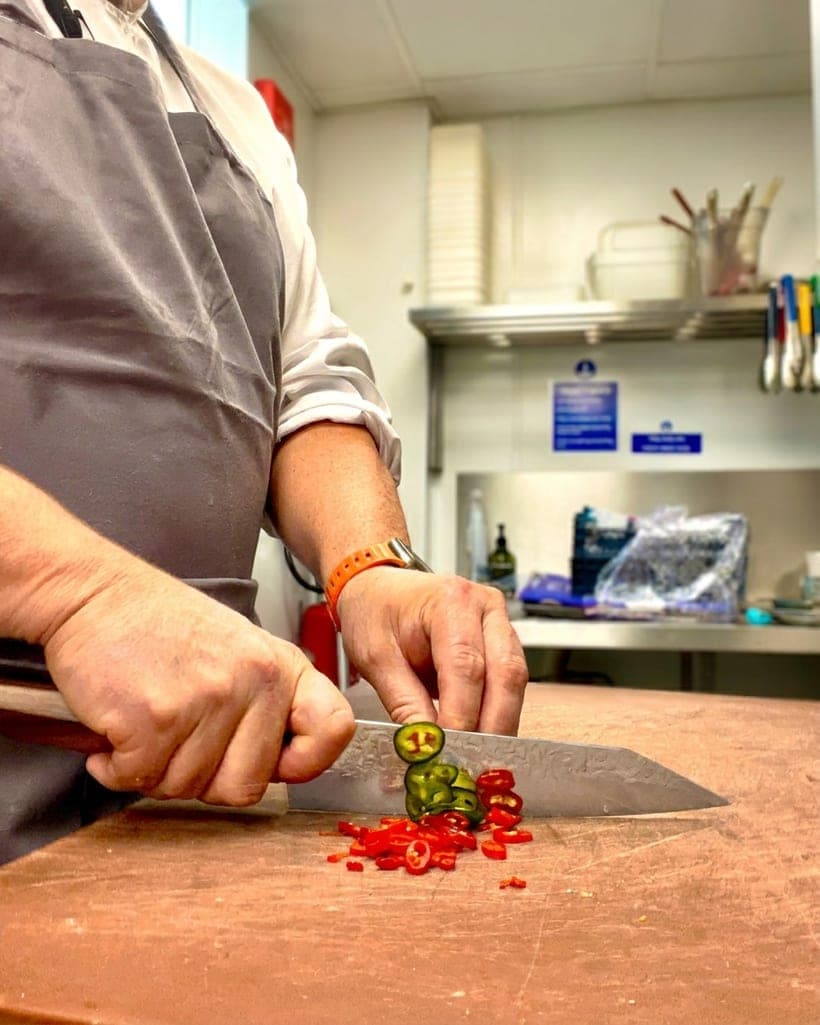
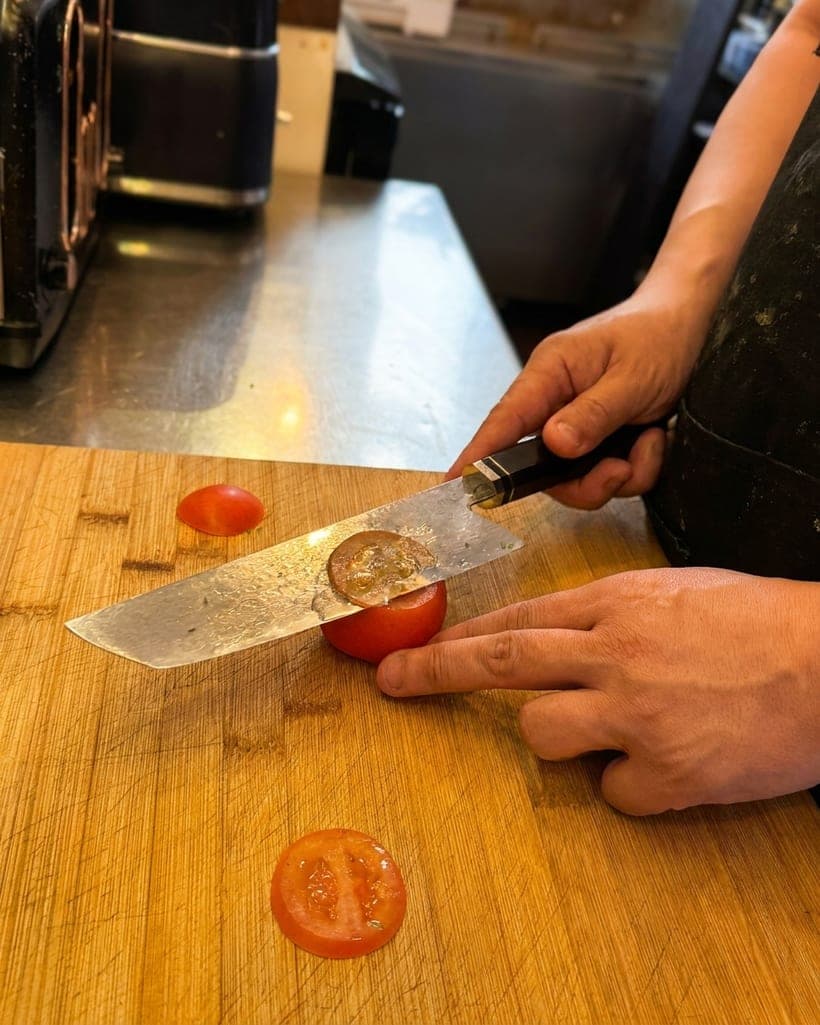
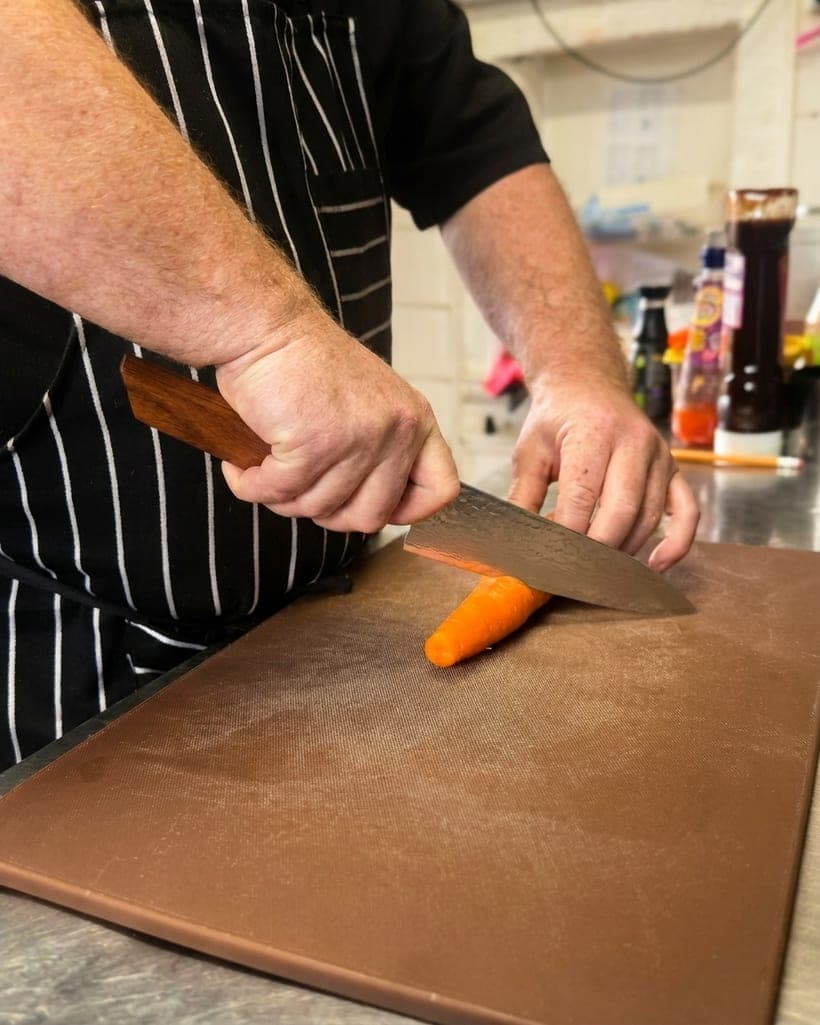
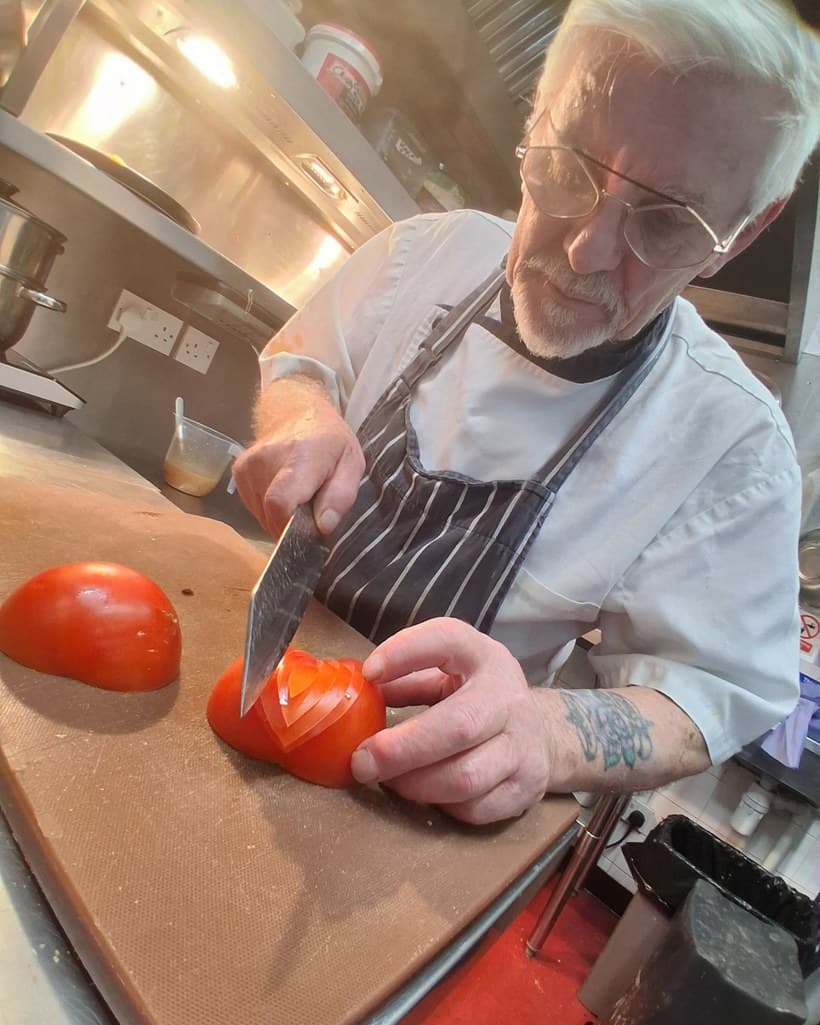
At first glance, the Gyuto’s sharpness is dazzling. Capable of finessing a ripe tomato to paper-thin slices or splitting an onion with no audible protest, it redefines expectations. However, even the loftiest peaks of sharpness degrade with use. Microscopic chips, deformations, and the inexorable folding of the thinnest edge are facts of kitchen life, no matter how carefully one cuts. Herein lies the first lesson: maintaining a Gyuto is a cyclical partnership, a dance between use and care, sharpening and storage, that shapes both utensil and user.
Sharpening, at its core, is an act both exacting and meditative. While Western knives often suffice with pull-through sharpeners, the Gyuto warrants something subtler. Most aficionados turn to water stones—those blocks of ceramic or natural grit that, doused and ready, offer the right blend of abrasion and polish. A sharpening session often becomes a mini-ritual: water pooling gently on stone, the steady rhythm as steel meets grit, and an attentive checking of the edge’s progress.
But why water stones? Japanese steels, known for their hardness, hold a finer edge, yet they are also more brittle. Standard Western sharpeners can be too aggressive, sometimes tearing at the delicate structure of a Gyuto’s blade, leading to chips or uneven bevels. With water stones, one controls the pressure, angle, and speed. Each pass re-establishes the acute angle unique to the Gyuto—usually around 12 to 15 degrees per side—resulting in an edge that’s both razor-sharp and robust.
Yet the debate rages quietly across kitchens worldwide: how often should one sharpen? The answer lies not in weeks or months, but in noticing how the blade feels. A slight loss of bite, a whisper of resistance as it meets food, a change in the sound the blade makes—these are signs, perceptible to attentive cooks, that sharpening beckons. Some professionals refresh their Gyuto every few weeks, while home cooks might go months between touch-ups. It is fidelity to feedback, rather than a rigid schedule, that keeps a Gyuto in its prime.
Between sharpening sessions, the less glamorous but equally important act of honing should feature in every user’s routine. Here confusion often arises. Honing, typically with a steel rod, does not reshape the blade but realigns its edge. A Gyuto’s classically thin blade responds well to ceramic or fine-grit honing rods, which coax the edge back into perfect alignment. This quick, daily practice means less time spent on the water stone, prolonging the lifespan of the blade and ensuring that each cut delights.
Even when not in use, the Gyuto asks for thoughtful stewardship. Storage, often overlooked, is not merely a matter of aesthetics. Much damage befalls blades jumbled in a drawer—a knock against steel or even plastic can roll or chip the edge, undoing hours of sharpening in a careless instant. The best solution is a knife block with blade-friendly slots, a magnetic strip that holds the blade securely, or a custom-fitted saya—a wooden sheath with just enough give to cradle the blade.
Environmental factors can also expedite a Gyuto’s decline. Unlike fully stainless Western knives, many Gyutos are made from carbon steel or semi-stainless alloys, both of which can tarnish or rust. Water is the enemy here. Washing should be immediate and by hand, followed by thorough drying. Forgoing the dishwasher is non-negotiable—not simply for edge retention, but for the integrity of both steel and handle, which may split or warp under heat and moisture.
The wider arc of Gyuto maintenance contains lessons applicable well beyond the knife itself. It reveals a way of thinking: one in which longevity and peak performance spring from ongoing, mindful attention rather than hasty intervention. This sensibility dovetails with wider trends in both cooking and consumer behavior—a renewed appreciation for slow craft, for the handmade, and for objects with legacy. As the throwaway culture of mid-century kitchens wanes, we are seeing a resurgence in care, repair, and respect for tools. Maintaining a Gyuto says something quietly radical in our age of disposability: What we care for, lasts.
For new Gyuto users, there is a learning curve, as well as an invitation to humility. Early attempts at sharpening or honing may be awkward, and the temptation to delegate maintenance to a professional can be strong. Yet each imperfect pass on a water stone, each careful cleaning at the sink, is an investment in skill as much as edge retention. Over time, the cycle of care fosters a deeper understanding of the knife itself. The Gyuto transitions from a static tool to the extension of the cook’s intention, one that both reflects and shapes their culinary identity.
In the end, the art of Gyuto maintenance is about forming a partnership with excellence. Honing, sharpening, and thoughtful storage do more than safeguard an edge; they deepen a relationship between cook and craft. In nurturing the blade, the cook hones their own awareness, joining a lineage of those who understand that greatness in the kitchen is forged as much by care as by talent. In the interplay of steel and stone, oil and cloth, use and repose, the Gyuto becomes more than a knife. It becomes a companion on the creative journey of every cook who values enduring sharpness and the subtle satisfaction of work well done.