



Japanese Knives: The Timeless Artistry and Innovation Shaping the Culinary World
In the world of cuisine, a chef’s knife is far more than a tool; it is a trusted companion, an extension of muscle and imagination, and perhaps the most intimate artifact of a cook’s daily craft. For centuries, Japan has cultivated a legacy of blade-making that is synonymous with this sense of mastery. Japanese knives have ascended in status from niche collectables to global symbols of precision, artistry, and culinary excellence. They are no longer simply instruments; they are icons, shaping how the world approaches food.
The journey of Japanese knives from the hands of samurai swordsmiths to the prep stations of Michelin-starred restaurants is the story of an enduring cultural philosophy. It is the belief that artistry and function must merge, that form and ritual are inseparable, and that perfection arises not from expedience but from devotion to craft. As Japanese blades have sliced their way to prominence on the global culinary stage, they have become mirrors reflecting the evolving priorities and possibilities in the art of cooking.
To understand why Japanese knives have captured the collective imagination of chefs and home cooks alike, one must first explore their ancestry. The forging of knives in Japan is deeply rooted in sword-making techniques developed for samurai, whose katana swords were revered for their sharpness, resilience, and spiritual meaning. With the end of the feudal era, many blade-smiths redirected their prodigious skills toward crafting kitchen knives, adapting traditional metallurgy to meet the needs of a new kind of craftsman. This continuity of expertise informs every blade produced in storied regions such as Sakai or Seki, where some workshops trace their lineage back to the sixteenth century.
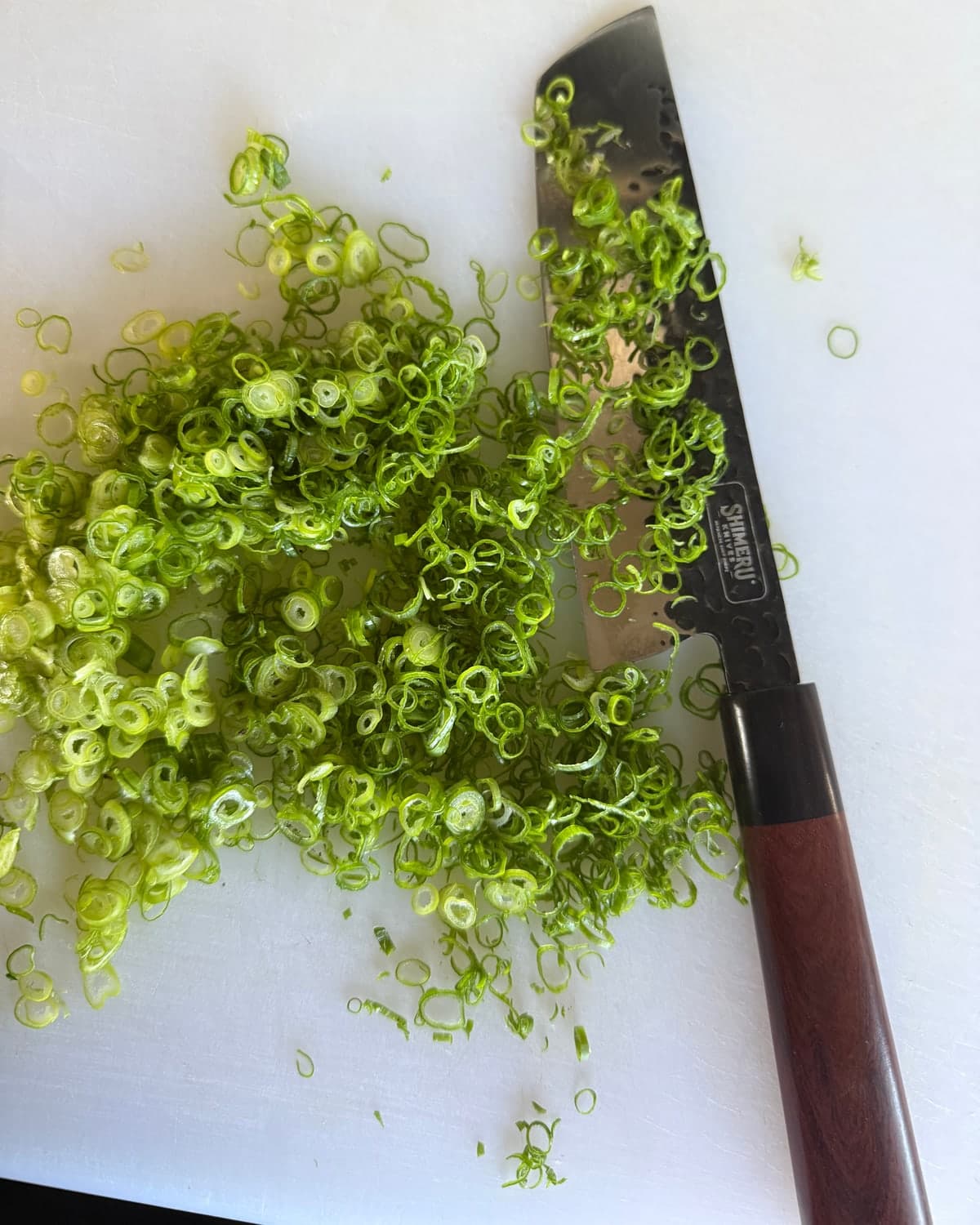
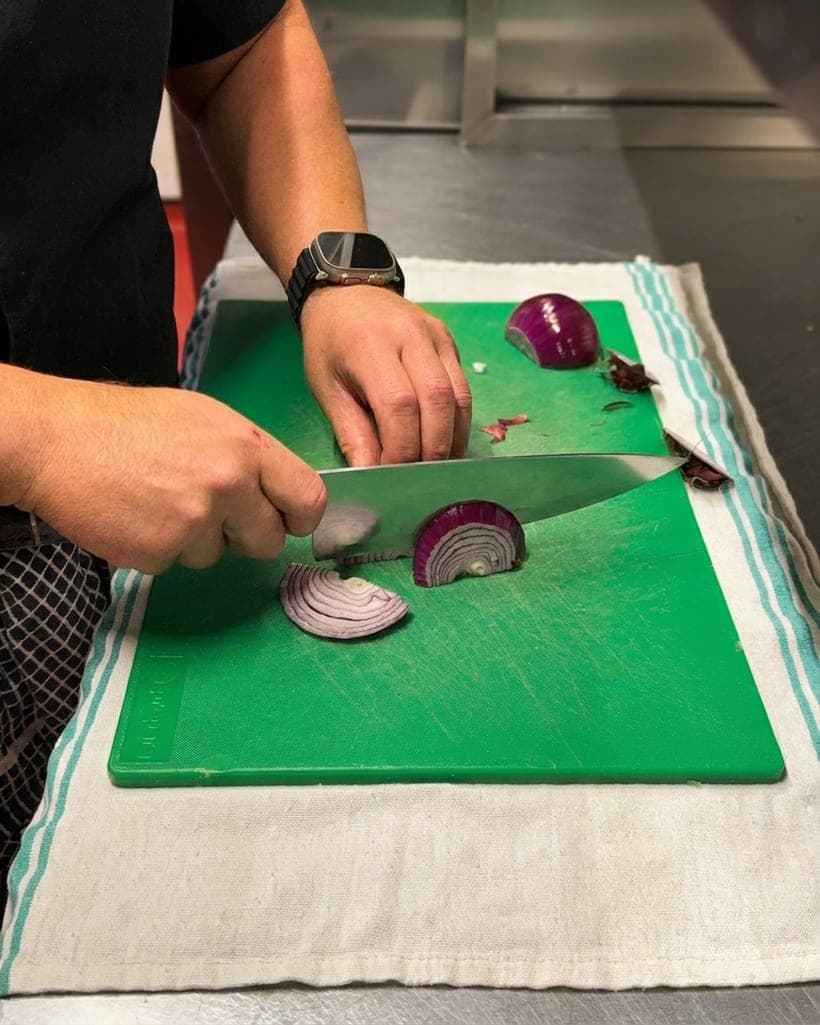
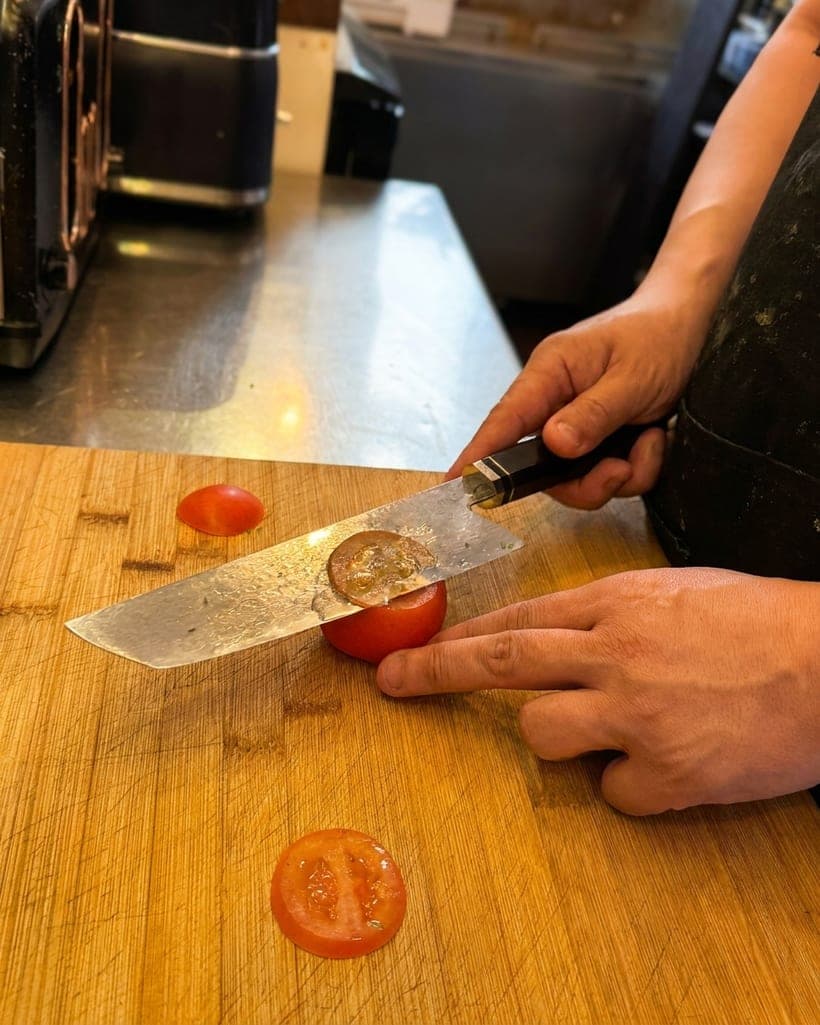
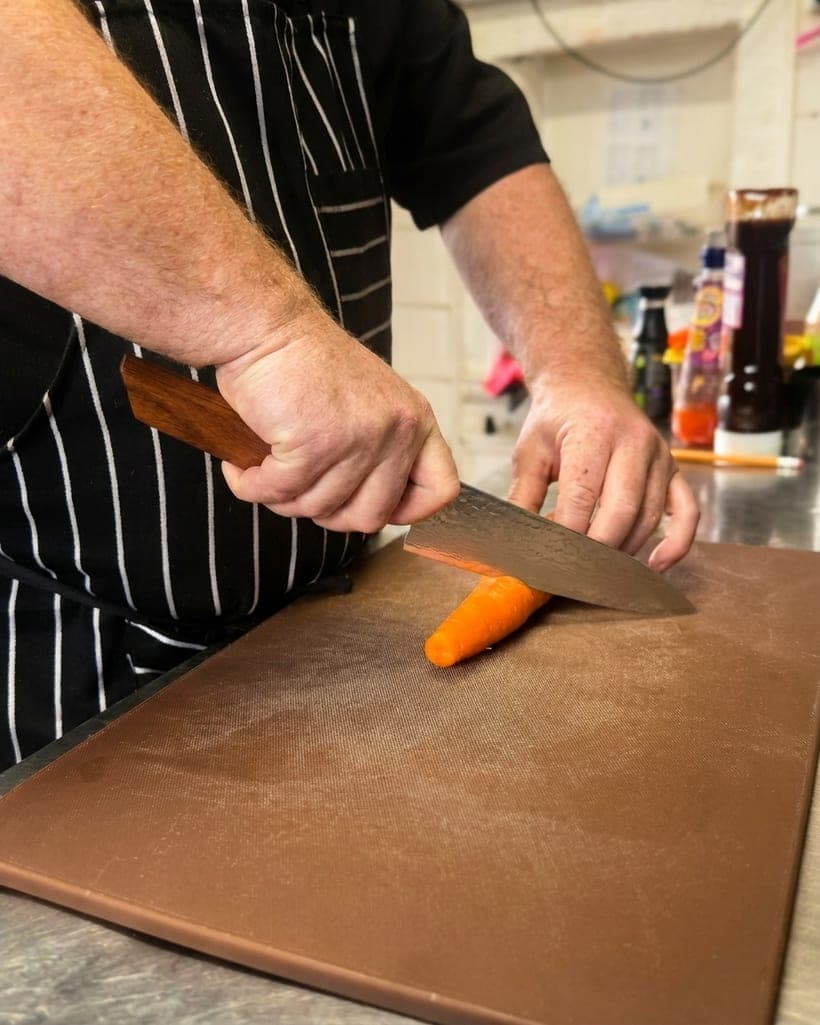
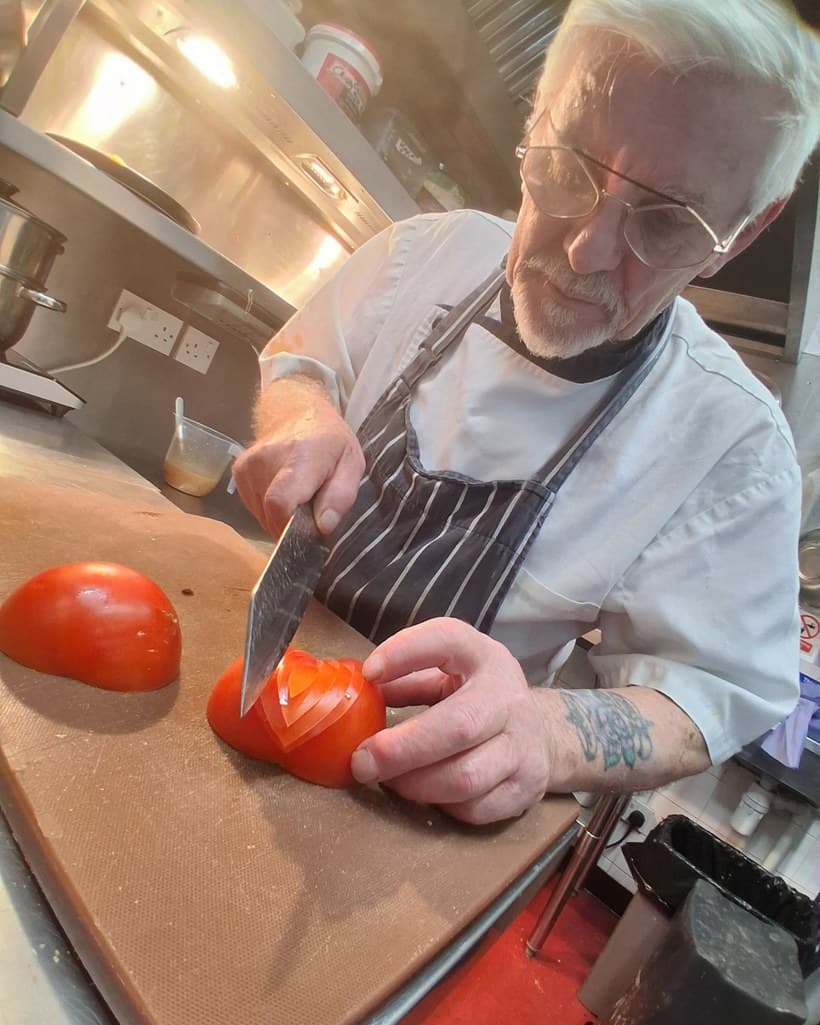
Japanese knife-making is not solely about legacy. It is also about innovation. Unlike Western knives, which are typically forged from softer, more forgiving steels and have blunter edge angles, Japanese knives favor harder, high-carbon steels and acute bevels, sometimes as sharp as fifteen degrees. This results in edges that bite through ingredients with minimal pressure, preserving the structure of delicate foods and unlocking a nuanced spectrum of texture and flavor. In the hands of a Japanese chef, a knife is more than a cutter; it is a sculptor, capable of transforming sashimi into translucent ribbons or vegetables into intricate garnishes.
Yet this very sharpness reveals a paradox at the heart of Japanese knives. Harder steel allows for sharper edges, but it is also more brittle. Japanese blades demand respect, skill, and care—both in use and in maintenance. They are not tolerant of misuse; cutting into bone or dropping a blade can chip or crack the fine edge. For chefs, this is not a drawback but a challenge, a daily reminder that excellence requires vigilance, technique, and humility. The ritual of honing and sharpening becomes a meditative discipline, a chance to connect with tradition and to hone one’s own capabilities alongside the steel.
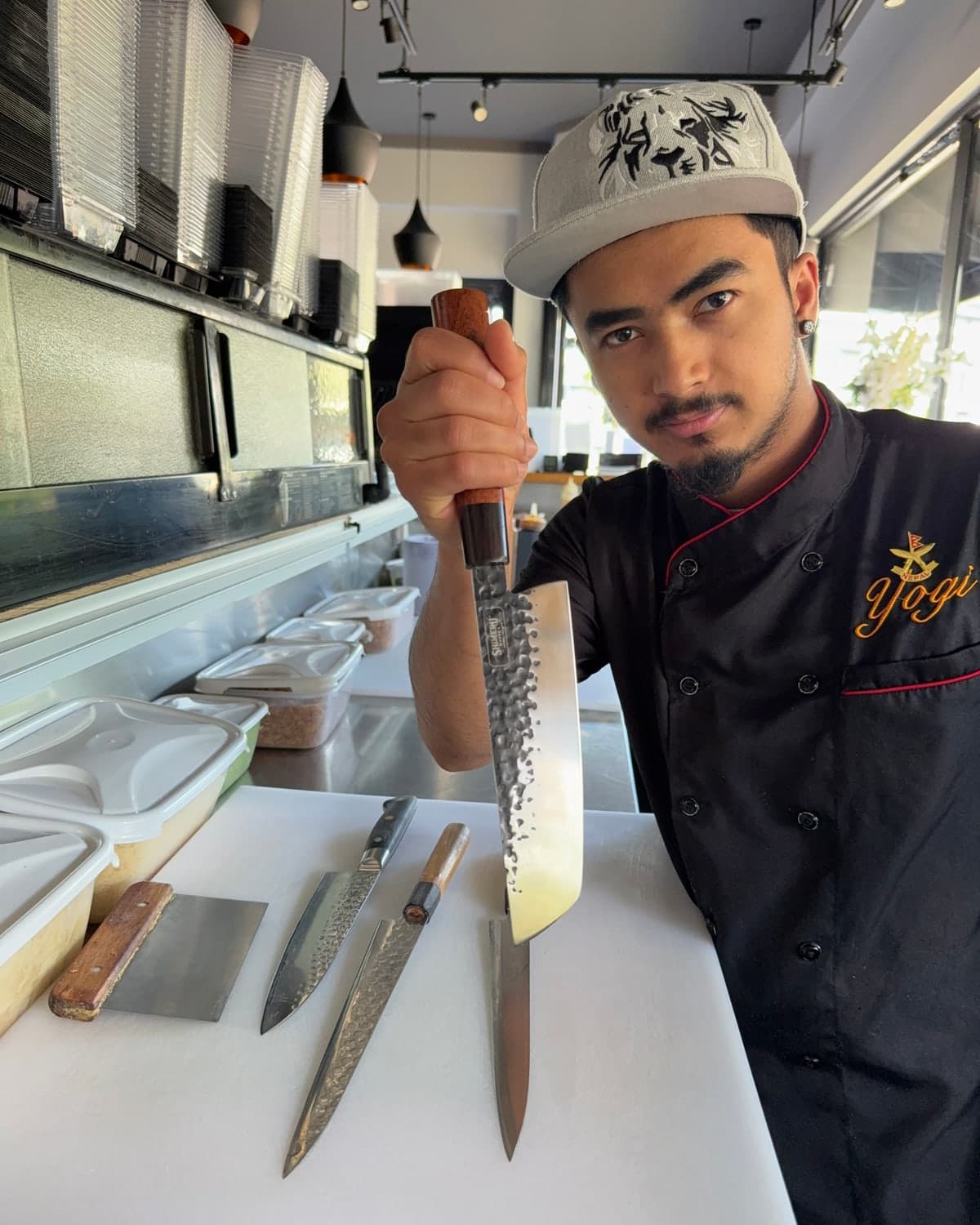
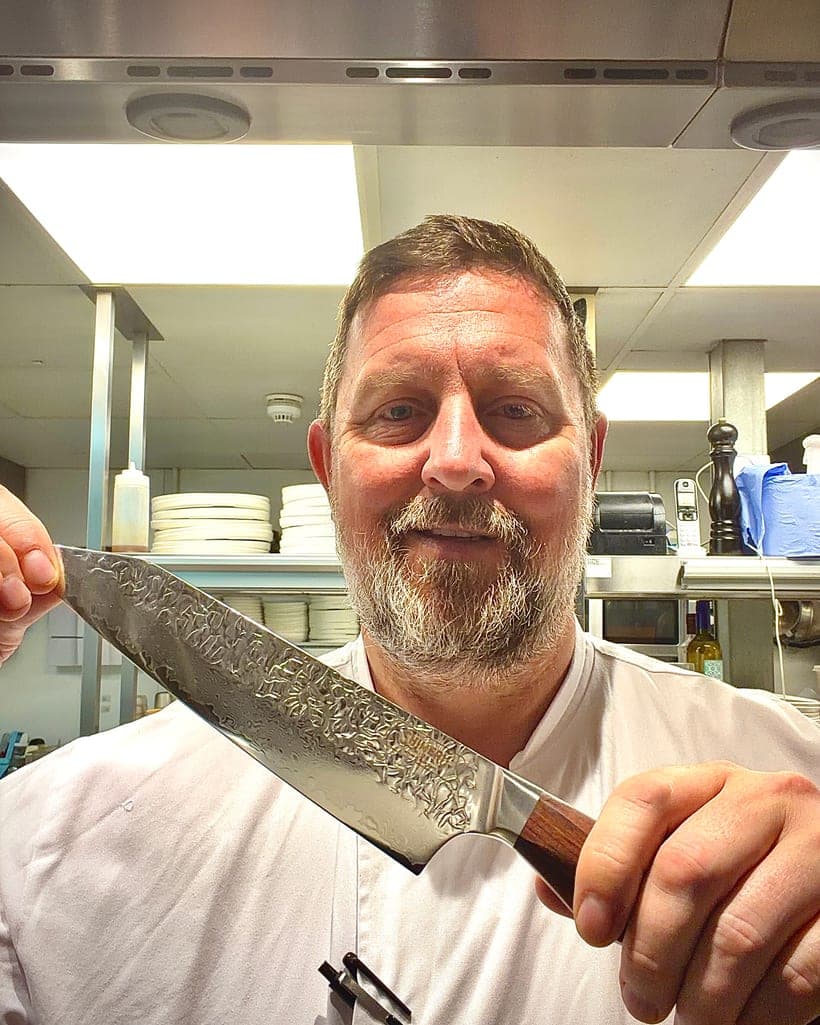
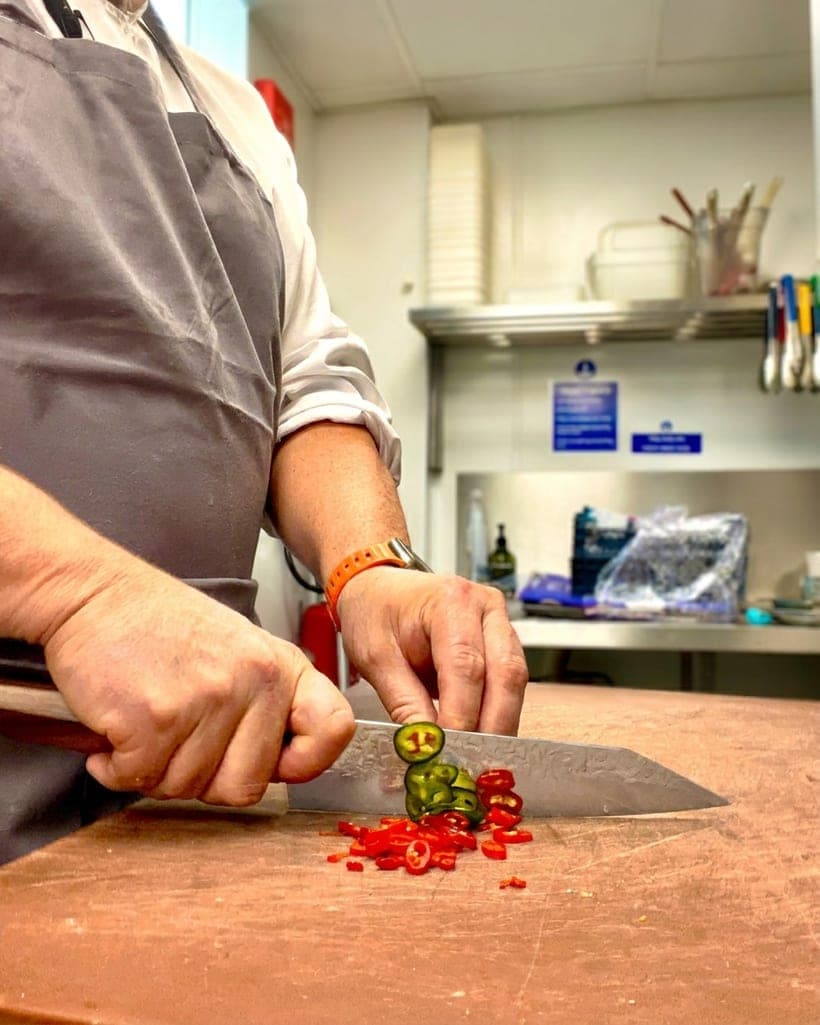
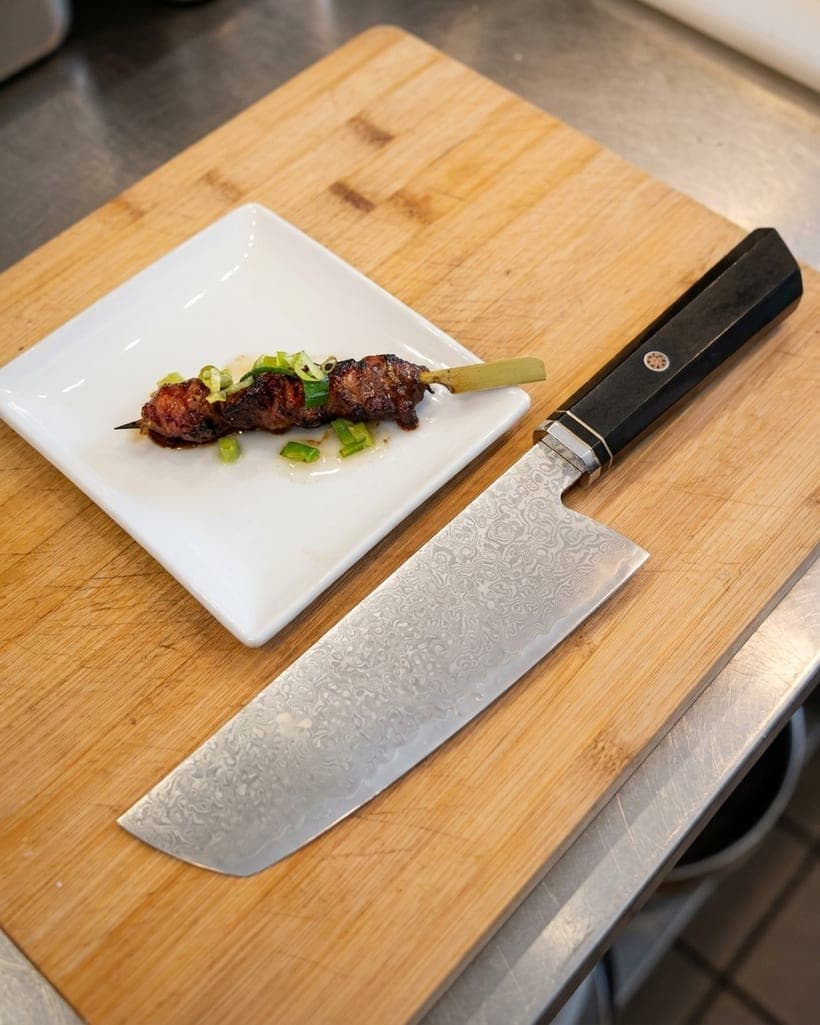
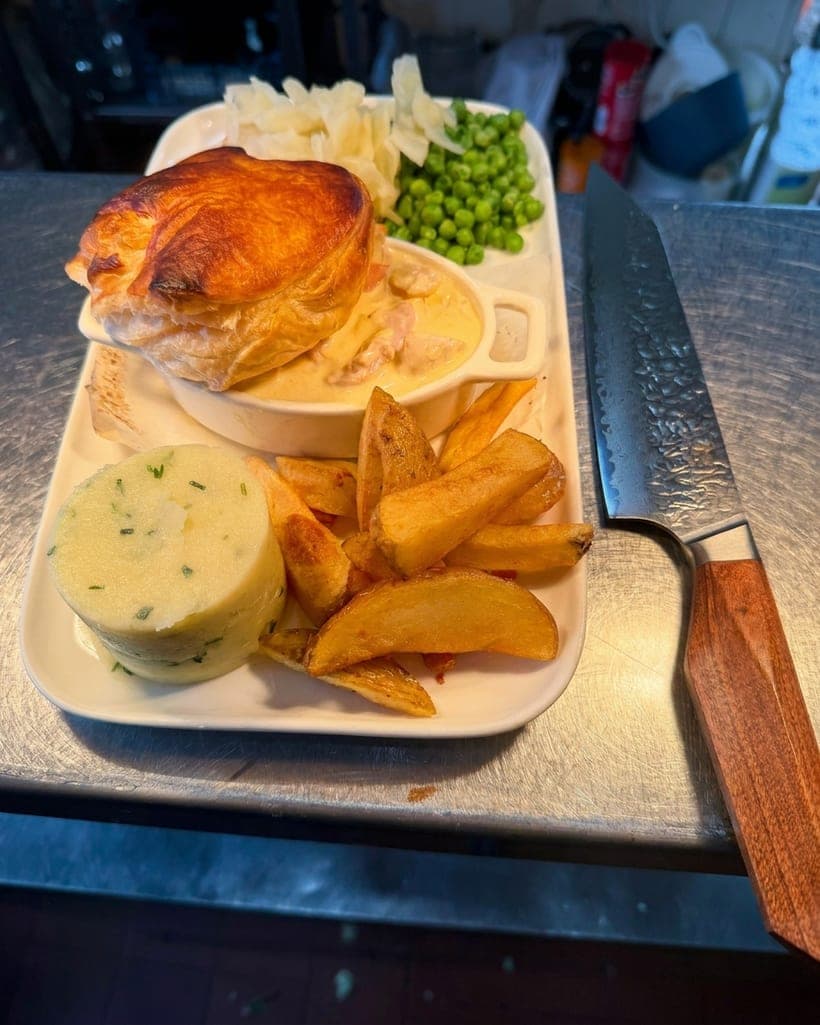
The allure of Japanese knives is not confined to their performance. These blades bear the unmistakable marks of the artisan’s hand. The subtle patterning of layered Damascus steel, the gentle taper of a hand-forged blade, the tactile feel of a shaped and lacquered wooden handle—these are aesthetic qualities that sing of a deep, almost spiritual relationship between maker and user. Each knife carries within it the memory of the hammer, the forge, the water stone. Unlike mass-produced cutlery, a fine Japanese knife is unique, shaped by the idiosyncrasies and decisions of its creator.
Over the past twenty years, Japanese knives have become aspirational objects for cooks worldwide. The explosion of sushi culture outside Japan certainly played a role, as did the rise of food television and social media, which transformed the kitchen into a stage and elevated the chef into a performer. Chinese cleavers and French sabatier blades may have history, but it is the keen-edged chef’s knife with its distinctive silhouette—perhaps a gyuto, or the double-beveled take on the classic European chef’s knife—that now signals expertise and taste.
This popularity brings both opportunities and challenges. On the one hand, the global demand for Japanese knives has given new life to traditional smithies, buoying local economies and generating renewed interest among young apprentices. Designers and craftsmen are experimenting with new materials and forms to cater to international tastes. Knives are exported across continents, bridging cultures and fostering appreciation for meticulous handcraft.
On the other hand, surging demand has spawned a wave of imitation and commoditization. Mass-produced blades sporting Japanese aesthetics but lacking in genuine craftsmanship flood online marketplaces. These “budget” knives may look the part but sacrifice the very quality that made their inspirations legendary. For buyers lured by the promise of excellence, disappointment often follows, highlighting the importance of provenance, education, and support for authentic makers.
Another defining challenge is the tension between tradition and modernization. While purists prize hand-forging and carbon-based steels, new generations of cooks seek low-maintenance knives that withstand rust and require less frequent sharpening. Some Japanese makers have responded by integrating stainless steel alloys, machine-assisted shaping, or hybridized designs that blend Western ergonomics with Eastern sharpness. This evolution is not merely about convenience, but about the adaptation of ancient wisdom to contemporary contexts.
The lessons for readers, whether amateur cooks or industry professionals, are manifold. A Japanese knife invites a different attitude, one that values mindfulness, respect, and pursuit of mastery. It is not just about acquiring an expensive piece of hardware, but about embracing the philosophy implicit in its making. Cooking ceases to be chore and edges closer to ritual, where every slice carries meaning and every task is undertaken with intent.
For home cooks stepping into this tradition, selecting the right knife is itself an education. The best blades are chosen not for prestige, but for balance, weight, and purpose. The process involves learning new techniques, practicing regular sharpening, and investing in proper storage and care. In return, the cook is rewarded with a level of control and satisfaction that mass-market cutlery simply cannot provide.
In the end, Japanese knives endure as symbols because they encapsulate the highest aspiration of the kitchen: to merge art and function, to cherish every ingredient, and to seek excellence not in shortcuts but in mindful repetition. They are reminders that the humble act of cutting can be a pursuit of beauty, mastery, and meaning. In a fast-moving world hungry for automation, the Japanese knife stands firm as a testament to human skill and the enduring value of tradition.


