



Japanese Kitchen Knives: Tradition, Innovation, and the Brands Behind the Blade
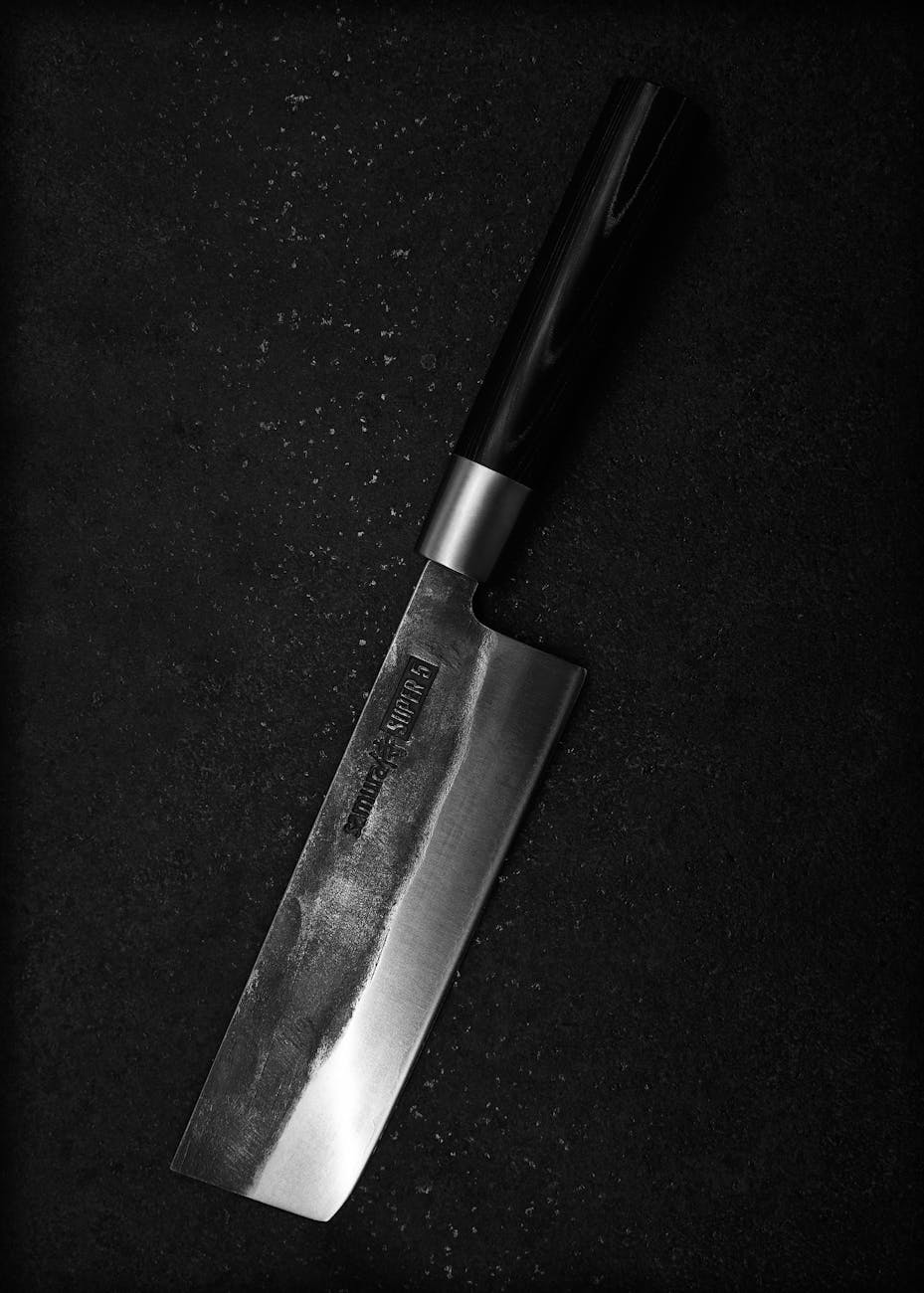
The gleaming blade of a Japanese kitchen knife is more than a tool; it is the meeting point of centuries-old tradition, rigorous craftsmanship, and relentless innovation. Over the past two decades, Japanese knives have soared from specialty shop curiosities to icons on chef’s shows and must-haves on Western countertops. This global ascent is not simply due to clever marketing. It’s rooted in an obsessive attention to detail, a cultural reverence for food preparation, and an industry willing to both revere tradition and challenge its limits. But with popularity comes a flood of choices. From storied blacksmiths working in remote prefectures to modern manufacturers marrying carbon steel with new alloys, the Japanese knife market is as intricate as the blades themselves.
Legacy Forged in Steel
To understand the present, it helps to look back. In places like Sakai, Takefu, Seki, and Tsubame-Sanjo, blacksmithing traditions stretch back to the samurai era. When swords became obsolete, many swordsmiths turned their skills to kitchen cutlery. Today, the echoes of katana-making methods are found in knives bearing names like Masamoto, Shun, Global, and Misono. These are not just brands; they are flags under which centuries of evolving knowledge rally.
Masamoto, for instance, is often called the godfather of sushi knives. Established in Tokyo in 1872, the company’s founder, Minosuke Matsuzawa, was instrumental in developing the single-bevel, razor-fine yanagiba favored by sushi chefs. In contrast, newer brands like Global, founded in the 1980s, took a different approach, integrating stainless steel, ergonomic handles, and mass production to meet changing tastes. Despite differences, what threads these traditions together is a shared philosophy: a knife is not merely a blade but an extension of the cook’s intention.
Flagship Performers: The Heart of a Brand
Consider the “obligatory” knife of every Japanese cutlery collection: the gyuto or Japanese chef’s knife. The gyuto is where brands display their identity, skill, and willingness to challenge norms. Masamoto’s VG-series gyuto, for example, is legendary for its fine white steel and hand-forged finish, a favorite among sushi professionals for its delicate balance and clean, effortless glide. Meanwhile, Misono’s UX10 gyuto plunges headlong into the possibilities of Swedish stainless steel, offering a harder, sharper edge with easier maintenance. For Western home cooks, Shun’s Classic gyuto wraps VG-MAX steel in a D-shaped pakkawood handle, blending accessibility with a nod to Japanese aesthetic.
But flagship knives are not just about performance or aesthetics. They are battlefields of innovation. Take MAC, a company that in just a few decades carved a global reputation by prioritizing Western preferences. Their Professional Chef Series gyuto features a unique angle and balance—lighter than most rivals, with a hybrid edge that is equally nimble for rocking and chopping. Global knives, with their all-steel, dimpled handles, almost look futuristic, yet their secret sauce lies in perfectly calibrating blade and handle to evoke the katana’s fabled balance. The message across the industry is clear: success depends on tradition, but also on reinvention.
Cutting Through the Hype: Trends and Challenges
The boom of Japanese knives in international markets is partly a story of culinary globalization, but beneath it lurks a paradox. On one hand, mass demand funds brand expansion, sponsorships, and R&D. On the other, it can threaten the environment that fostered these brands; overworked blacksmiths, diluted quality in lower-priced lines, and a drift from the romantic narrative of the lone artisan at his forge. For buyers, it is increasingly difficult to distinguish genuine craftsmanship from clever branding.
Moreover, Japanese knives, while beautiful and capable, are not universally ideal. Their harder steels enable staggering sharpness but can chip on hard ingredients if handled carelessly. Maintenance is not for the faint of heart—high-carbon knives rust without attentive care, and even “stainless” varieties demand regular honing. While many brands have introduced Westernized lines for broader appeal, purists grumble about lost soul in these adaptations.
Counterbalancing these tensions are new opportunities. Small-batch makers and independent blacksmiths gain unprecedented direct access to global markets through e-commerce, social media, and culinary influencers. Brands like Tojiro and Sakai Takayuki, once the domain of trade insiders, are now recognizable among serious home cooks in California and Copenhagen. This democratization also allows niche innovations to flourish, such as specialized vegetable knives made from rare steels or collaborations between blacksmiths and contemporary chefs.
Lessons in Steel: What Japanese Knives Teach Us
For all their mystique, Japanese knives do not guarantee great cooking. What they offer—combined with price tags ranging from affordable to dizzying—is a lesson in how design, history, and culture can shape the tools we take for granted. For the home cook, choosing between a Global or Masamoto or Misono becomes a microcosm of broader values. Do you prize tradition or innovation? Are you willing to invest time in learning a tool’s quirks, or do you prefer low-maintenance reliability?
The best brands do not just deliver products; they initiate a conversation. Shun’s twin embrace of tradition and modernity, Global’s utilitarian chic, Masamoto’s measured humility, and Misono’s experimental drive each invite different types of cooks to become a little bit more skilled, attentive, and invested in their craft. The real secret behind the sharp edge of a Japanese knife is that it gently cuts away the distractions, asking us to reckon with the essence of cooking: care, presence, mastery over time.
As Japanese knives become ever more ubiquitous, the challenge for makers and buyers alike is to retain this ethos. Whether in a three-Michelin-star restaurant or a fifty-square-foot apartment kitchen, the best Japanese knives do not just slice—they transform the simple act of prep into a quiet, daily ceremony. That, ultimately, is the standard to which the top brands aspire, and the reason their legacy endures.


