




Gyuto, Nakiri, and Usuba: The Art and Philosophy of Japanese Knives

In the world of fine cutlery, Japanese knives have long commanded respect for their precision, balance, and almost spiritual connection to the art of cooking. Among connoisseurs and professional chefs, the choice of knife is not just a matter of utility but one of philosophy, rooted in centuries-old traditions and reshaped by the ever-evolving demands of contemporary cuisine. No discussion of Japanese knives can be complete without mentioning the gyuto, nakiri, and usuba, three blades that seem on the surface to do similar work, but upon closer inspection reveal intricate differences in design, usage, and cultural significance.
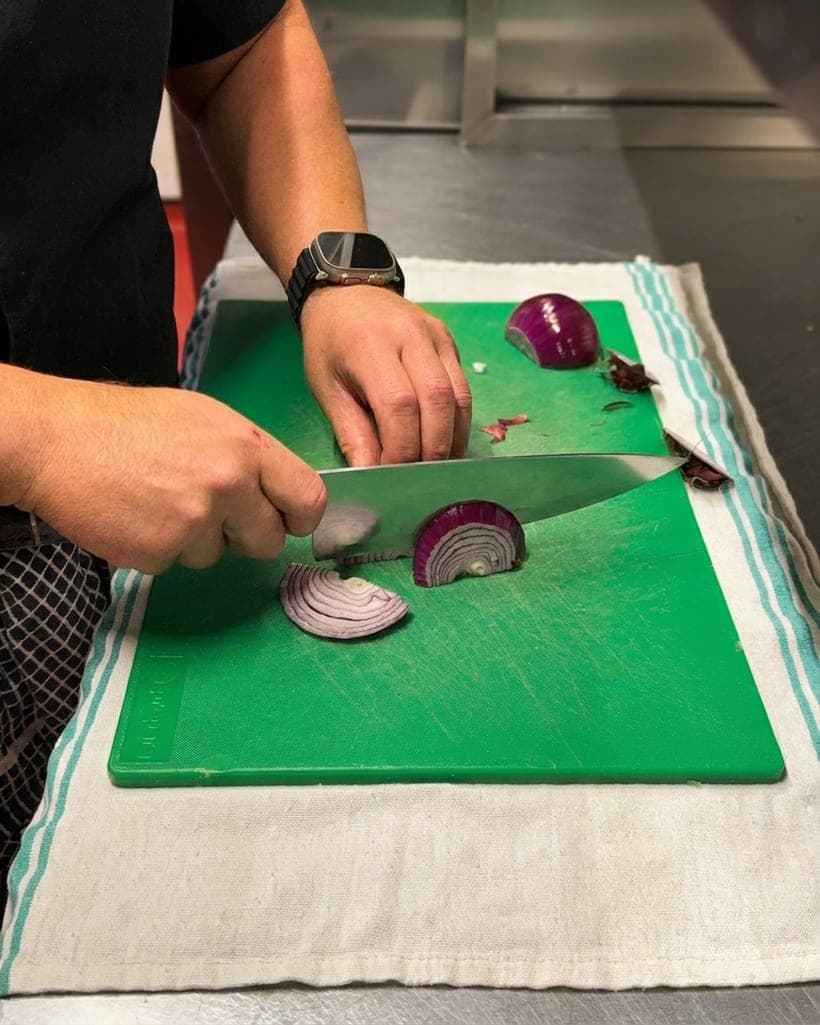
At the heart of the modern Japanese kitchen stands the gyuto. Translating directly to “cow sword,” the gyuto owes its existence to a historical crossroads. When Japan opened its doors to Western influence in the late 19th century, the popularity of beef and western-style cuisine grew. The Japanese, renowned for the single-bevel knives perfected for fish and vegetables, found a need to adapt. Borrowing inspiration from the Western chef’s knife, Japanese blacksmiths developed the gyuto: a double-beveled, thin, yet robust knife designed to handle beef and other proteins with the same finesse as traditional Japanese utensils. But the gyuto is more than just a product of cultural hybridization. Over decades, it has evolved to become the preferred all-purpose blade for many Japanese and international chefs alike.
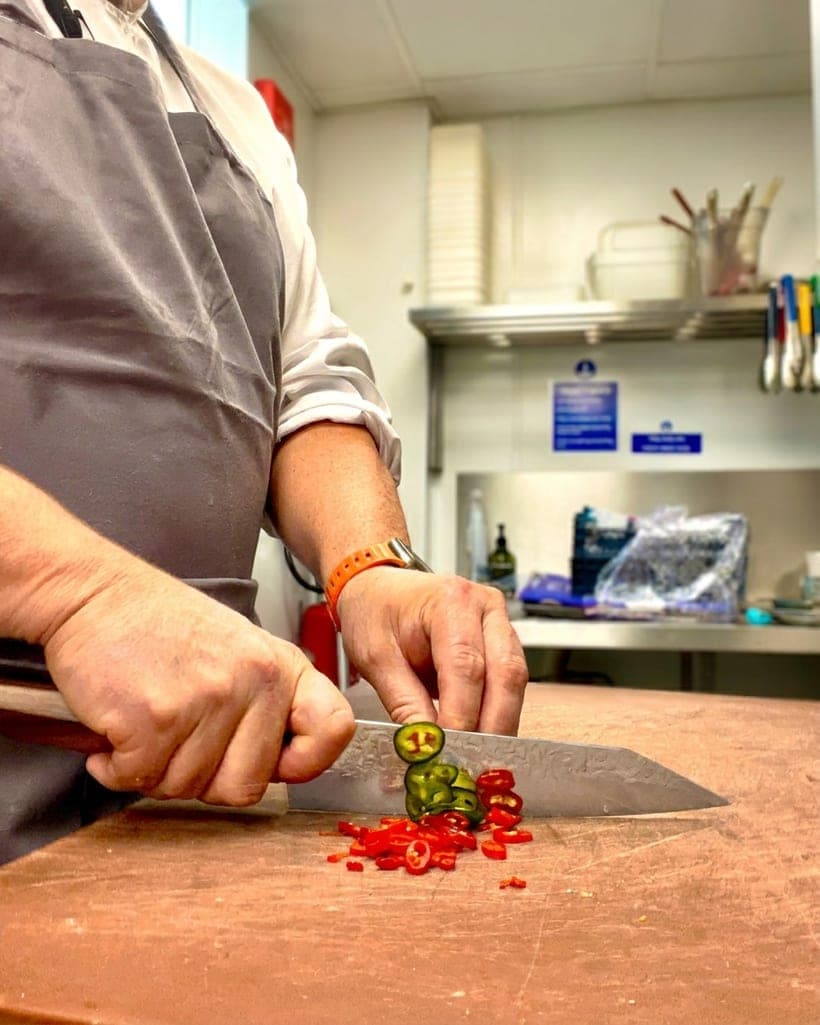
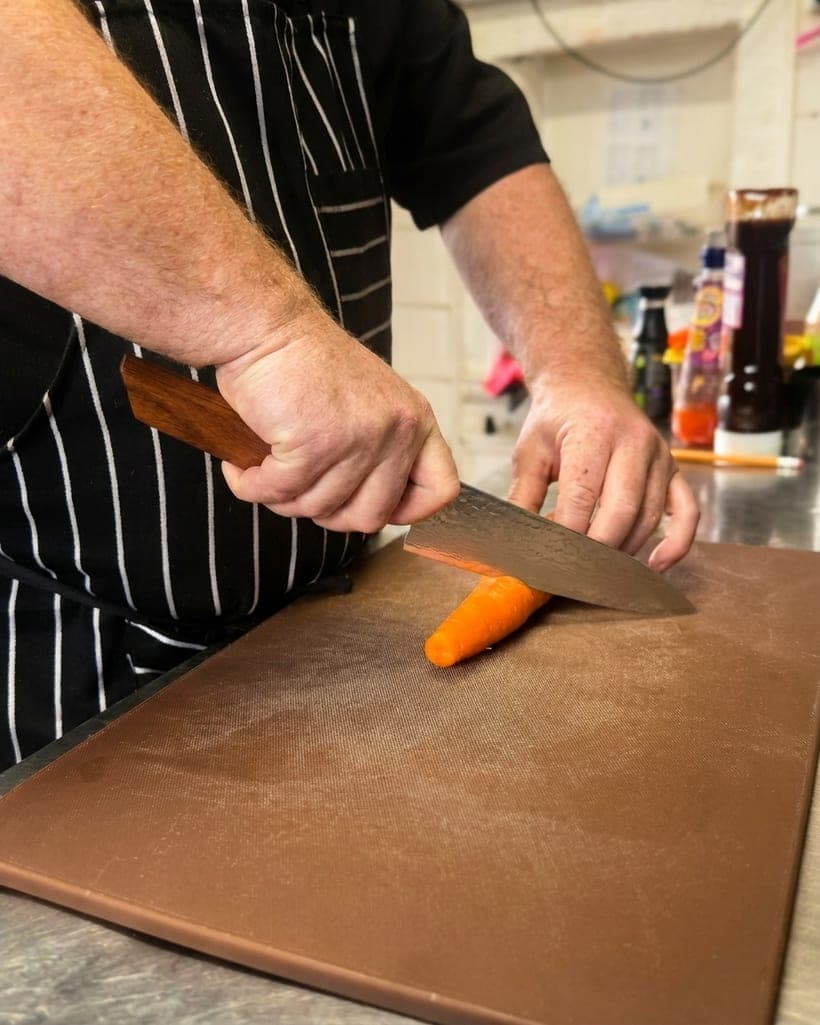
The gyuto’s design tells its story. Its typically 210-240mm (though sometimes longer) slender blade curves gently from heel to tip, enabling a smooth rocking motion familiar to Western chefs. However, its thinner blade and harder steel set it apart from its European counterparts. The edge is usually sharpened to a more acute angle, frequently between 12 and 15 degrees, compared to 20 degrees or more on Western knives. This means the gyuto glides through food with far less resistance, preserving the integrity of ingredients and minimizing cell damage—a crucial consideration for raw or delicate items. Its lighter weight and forward balance yield a responsive, almost poetic feel in the hand, encouraging the sort of precise, rhythmic slicing that is the hallmark of Japanese kitchen technique.
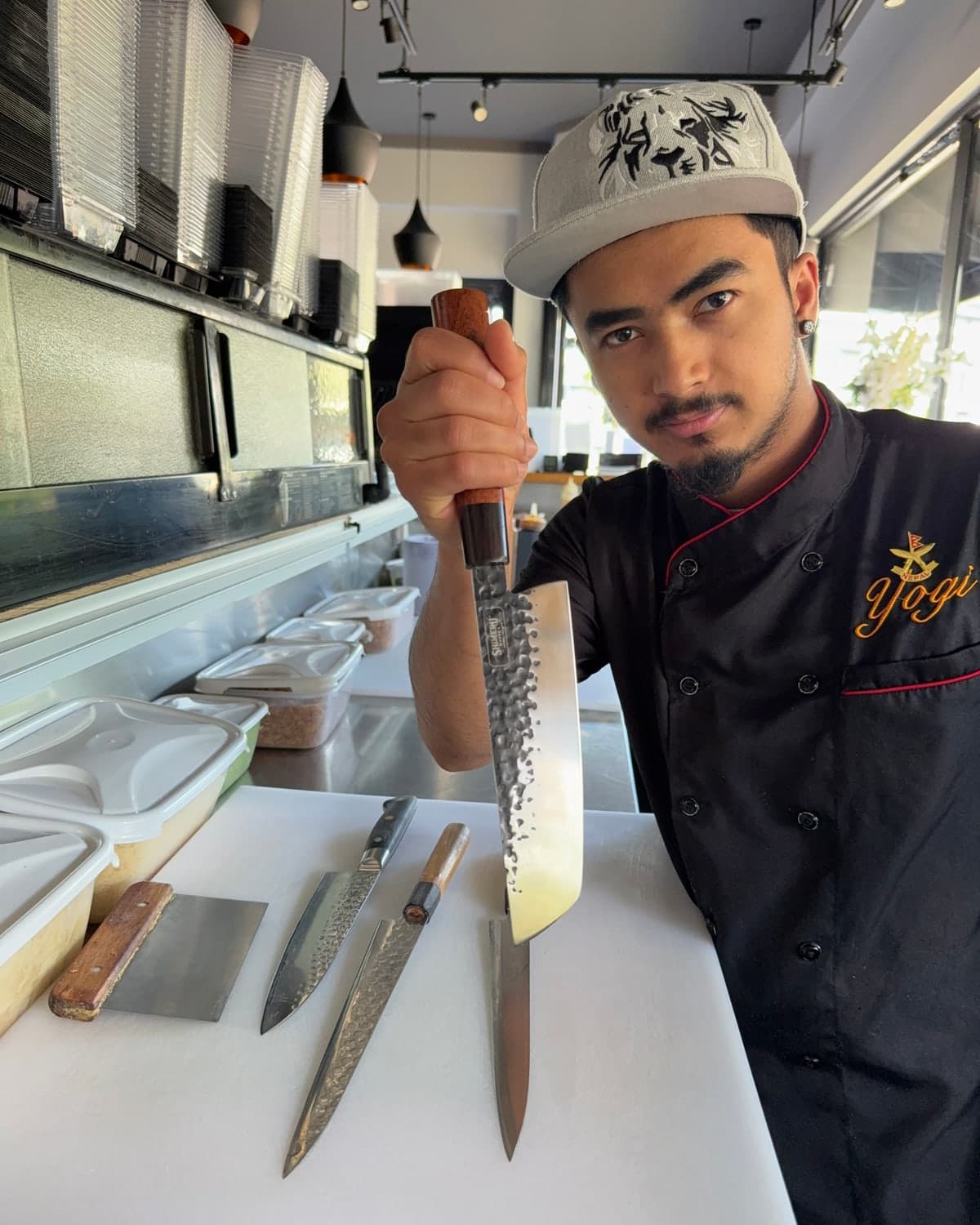
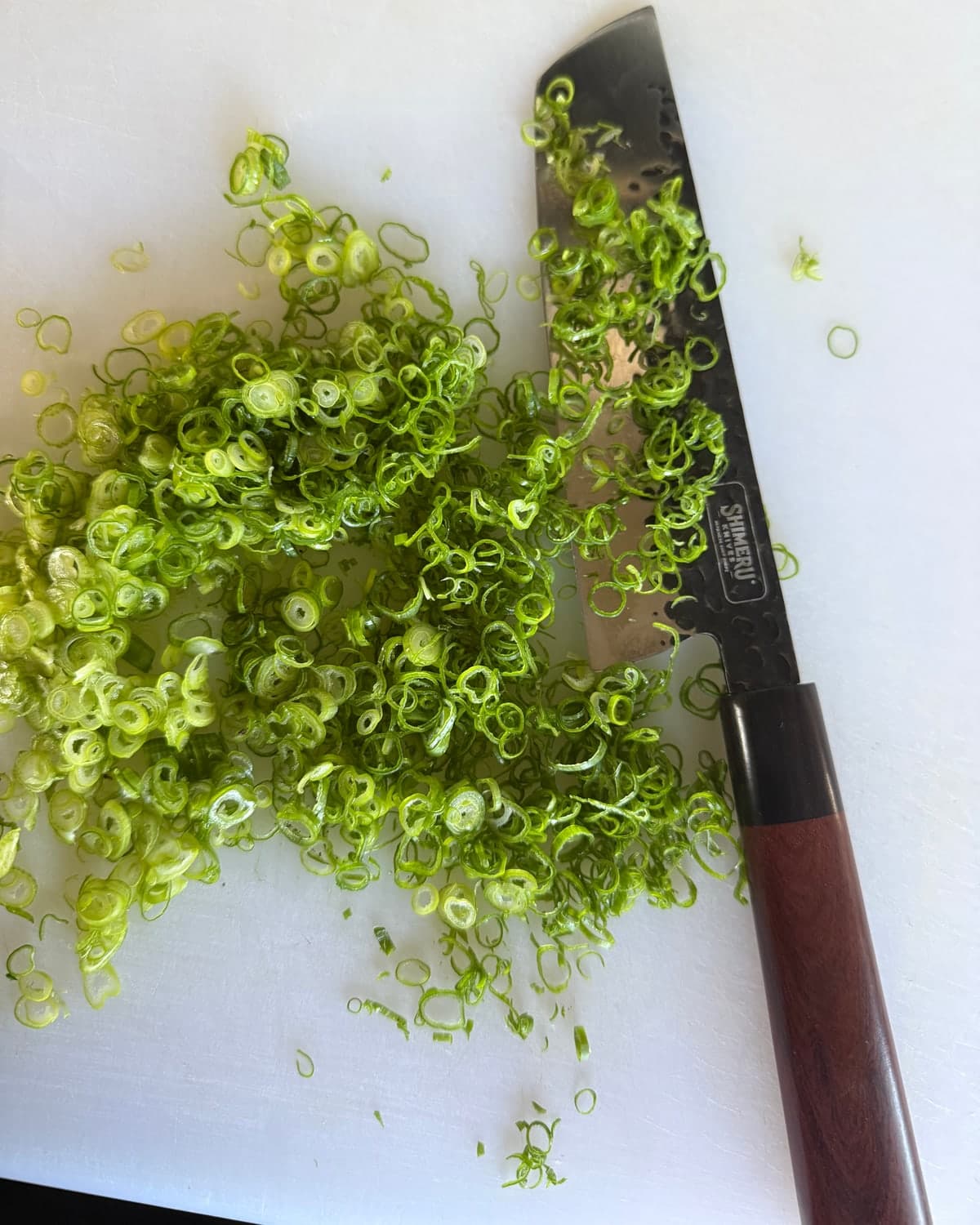
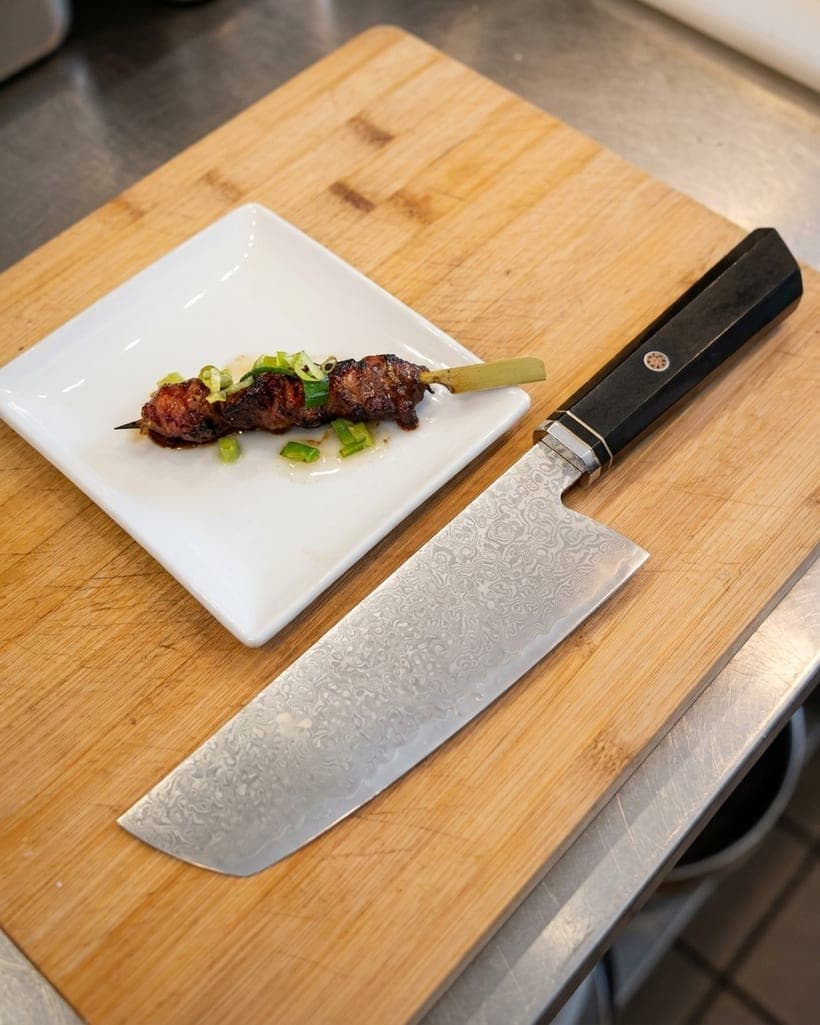
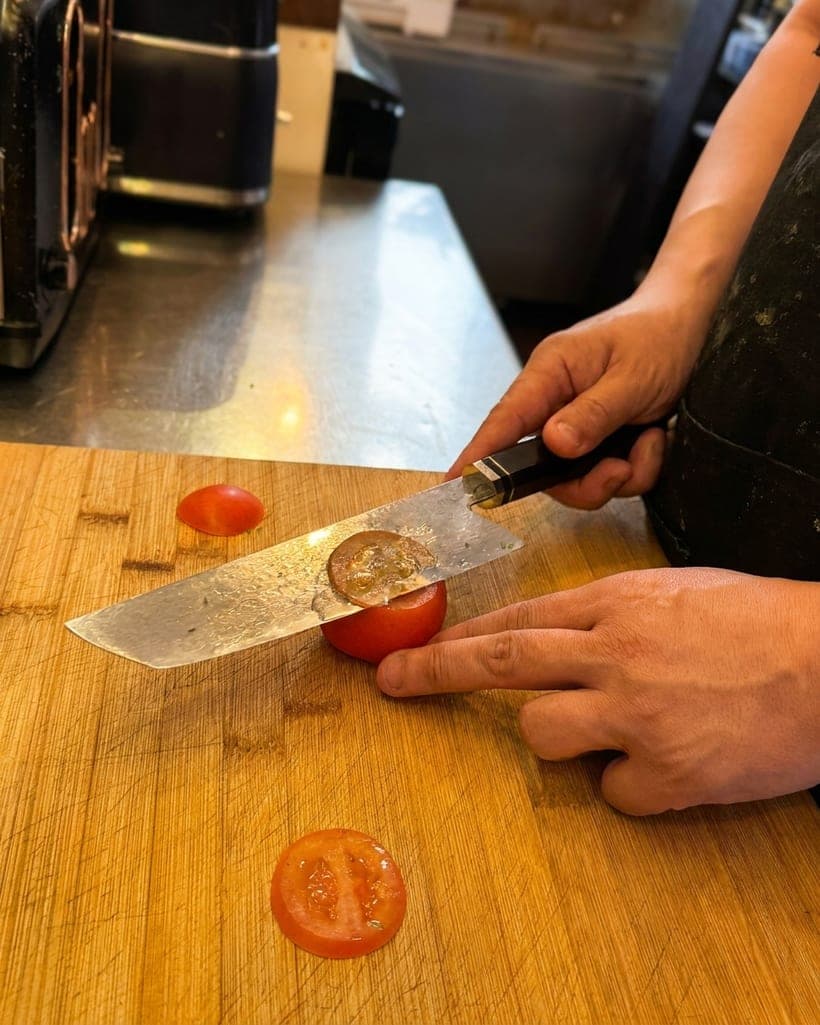
Yet if the gyuto stands as the workhorse of the Japanese kitchen, the nakiri and usuba are specialists, each honed over generations for a singular purpose: the preparation of vegetables. The nakiri, with its straight blade and flat profile, is a distinctly homegrown invention. Japanese home cooks have long favored the nakiri for its simple practicality. Its rectangular blade, generally around 165mm long, is designed not for rocking but for direct, up-and-down chopping. This shape enables the cook to cut through vegetables cleanly, all the way to the cutting board, without the need for saw-like motions or awkward wrist angles. For home use, the nakiri’s double bevel makes it easy to sharpen, maintain, and deploy for a wide variety of vegetable tasks—from julienning carrots to mincing leafy greens. Its utility in a household context reflects the rice- and vegetable-centric traditions of Japanese cuisine.
Professional kitchens, on the other hand, often reserve a place of honor for the usuba. The term “usuba” literally means “thin blade,” and here form follows function with uncompromising clarity. Unlike the nakiri, the usuba is single-beveled and designed almost exclusively for professional use. While the uninitiated may see the usuba’s rectangular blade as little different from a nakiri, its construction demands a far higher level of skill. The single-bevel edge allows for paper-thin, precise cuts, perfect for techniques like katsuramuki—spiral peeling a cucumber or daikon into a continuous sheet. This level of blade sharpness serves both aesthetics and taste, as ultra-precise cuts can affect the mouthfeel and presentation of dishes like sashimi garnishes and delicate vegetable preparations. The usuba, in expert hands, is not simply a knife but a brush for culinary artistry.
So why, in a world where specialized tools promise marginal gains in performance, do many chefs now gravitate toward the gyuto? The answer lies partly in the changing nature of kitchens and cuisine. As Japanese restaurants increasingly serve a fusion of traditional and Western food, there is a growing need for versatility. The gyuto, with its robust yet nimble blade, meets these demands more readily than the nakiri or usuba, especially for those who require one knife that can slice beef, dice onions, and chiffonade herbs with equal aplomb. The widespread adoption of harder steels and advanced manufacturing techniques have also made the gyuto’s extreme sharpness more accessible to non-specialists, further closing the gap in performance with the more traditional, specialized blades.
Yet this versatility comes with trade-offs. The gyuto’s curved belly is less than ideal for the straight up-and-down chopping of vegetables that the nakiri and usuba excel at. While a skilled chef can produce fine julienne with a gyuto, they may still turn to the nakiri or usuba when the absolute finest or most artistically exact slices are required. Maintenance, too, diverges. The gyuto, being double-beveled, is easier for most users to sharpen at home, whereas the single-bevel usuba requires advanced skill and frequent attention to maintain its razor edge and avoid bias in cuts.
For knife enthusiasts and aspiring cooks, the primary lesson is this: the best knife is not the one with the loftiest pedigree or the highest price tag, but the one that aligns with the cook’s working style, repertoire, and ambitions. The gyuto embodies the adaptive spirit of Japanese cooking, blending tradition with innovation to suit contemporary realities. The nakiri and usuba stand as testaments to artisanal mastery and the value of focused expertise.
Ultimately, the differences among these knives reflect deeper currents in Japanese culinary culture—resilience, respect for materials, and an unwavering pursuit of excellence. Whether one chooses the gyuto for its versatility, the nakiri for its user-friendliness, or the usuba for its artistic precision, the act of choosing is itself an entry point into a world where tools are as meaningful as the meals they help create.