

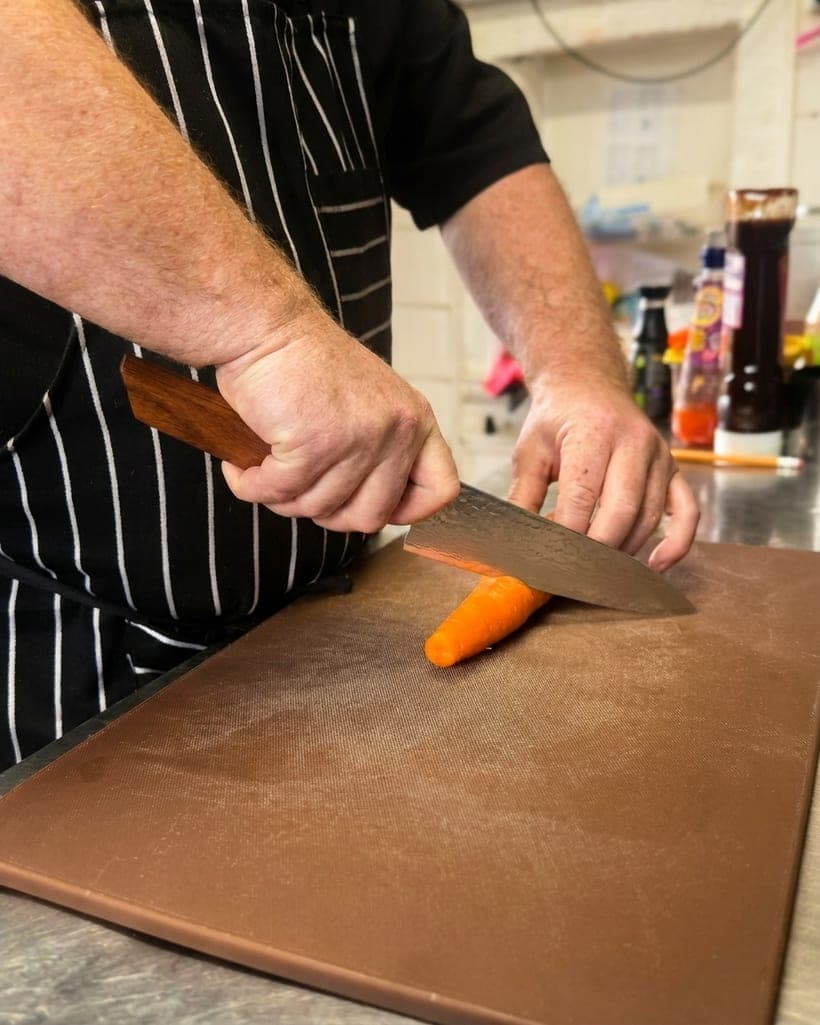
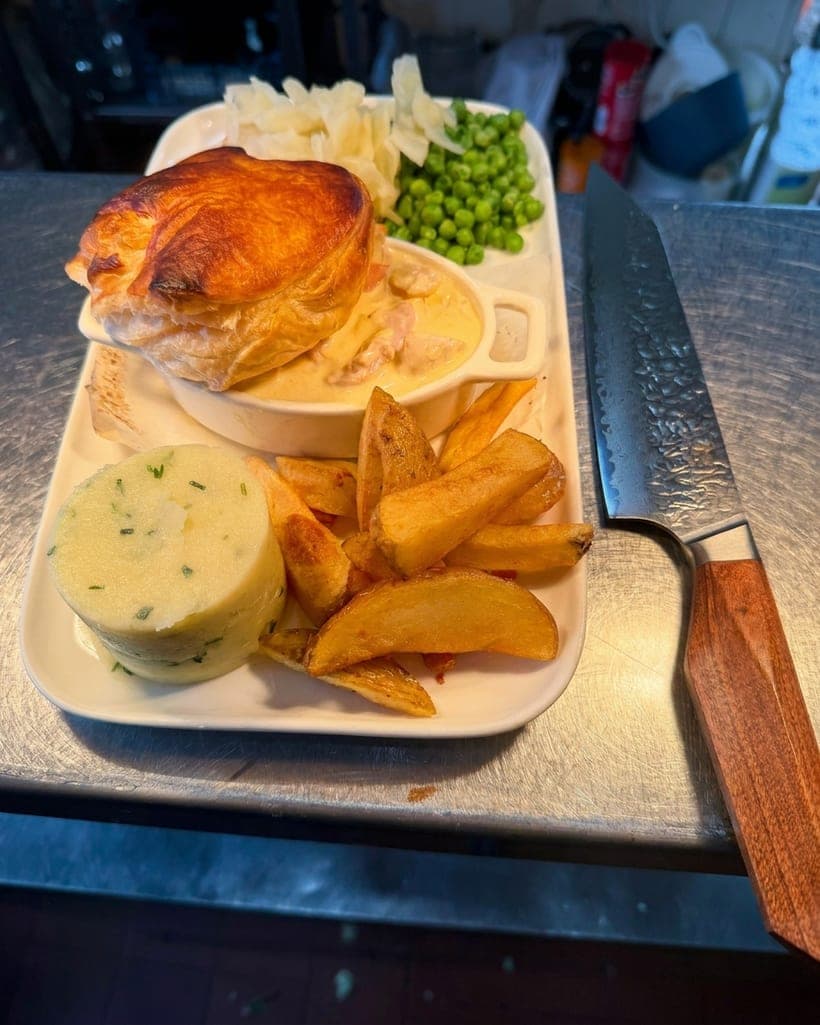


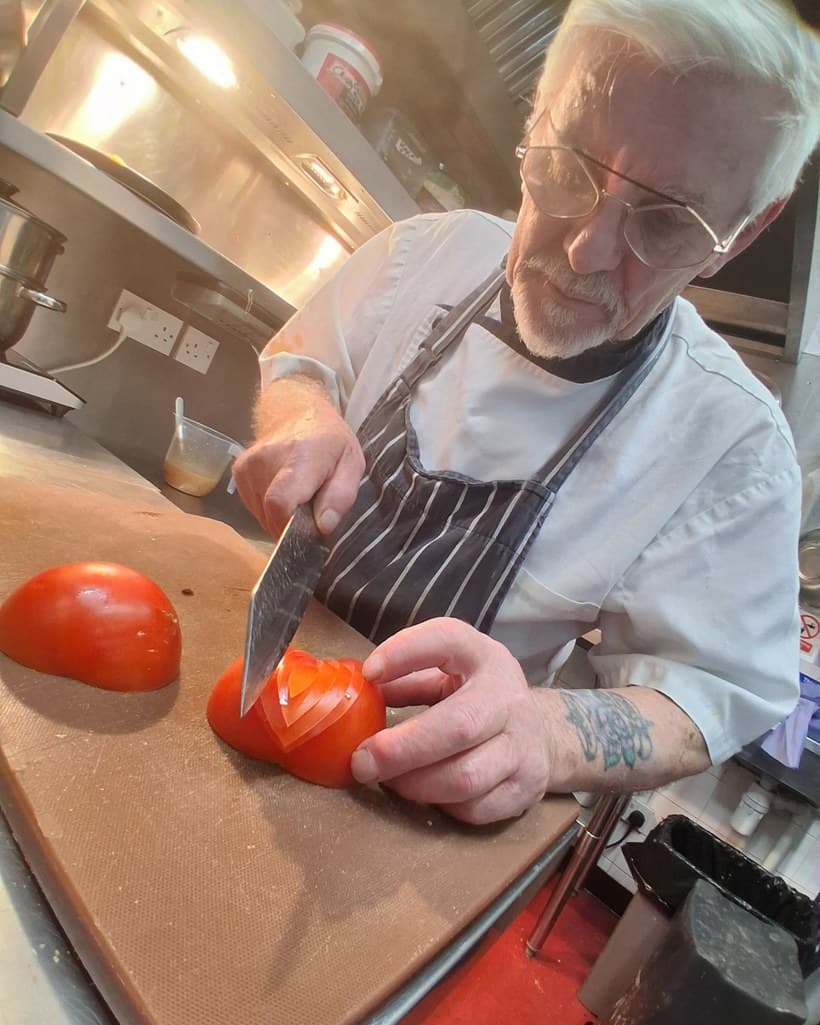
Finding the Perfect Fit: Ergonomics and the Japanese Knife Handle
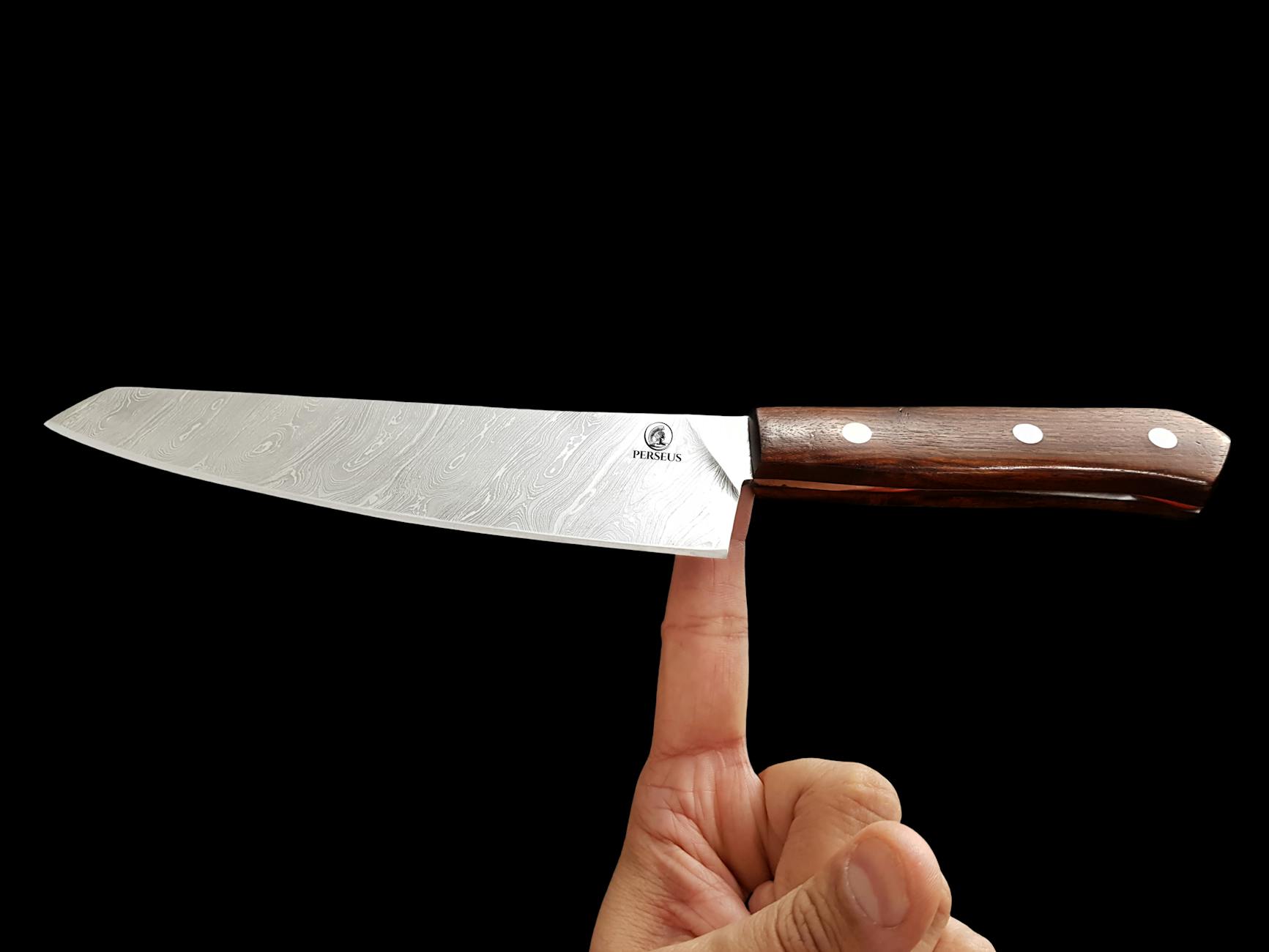
In the gentle choreography of a well-run kitchen, the bond between cook and instrument is subtle but profound. Nowhere is this clearer than in the relationship with one’s knife. For many, Japanese knives hold an almost mythic allure: their shimmering, razor edges; their sinuous lines; the artistry that fuses centuries of tradition with modern metallurgy. Yet beyond these romantic ideals, one reality consistently shapes every slice—the knife’s fit in your particular hand.
Most discussions about Japanese cutlery focus on steel types, edge geometry, or the nuances between a gyuto and a santoku. But no matter how meticulously a blade is forged, or how sharp its first edge, the magic begins (or is lost) at the handle. If the knife does not feel like a natural extension of your hand, even the finest blade will languish unused, replaced by a blunter but more familiar tool. This is the story of why ergonomics—the harmony between hand and handle—matters just as much as the blade itself, particularly when it comes to Japanese knives.
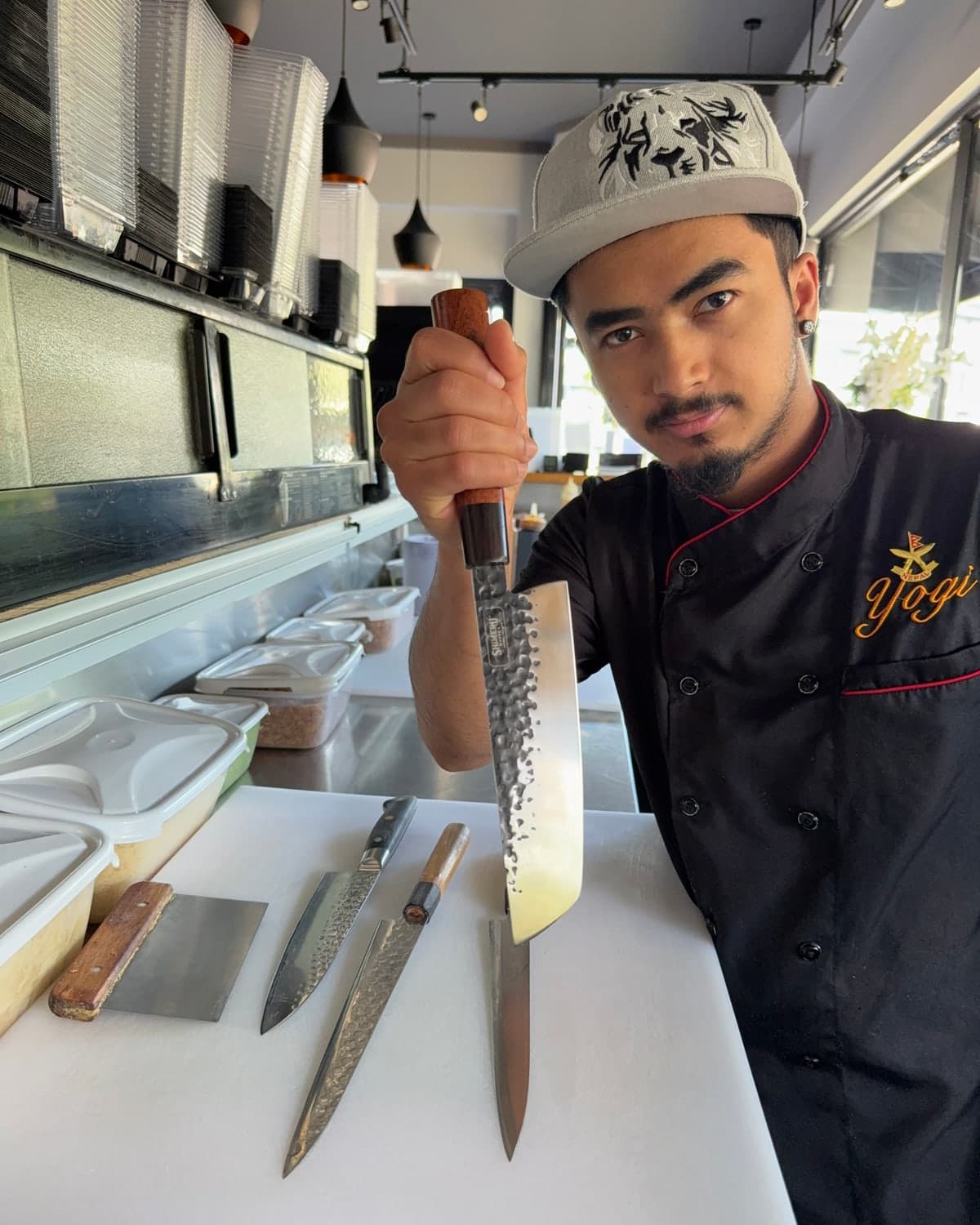
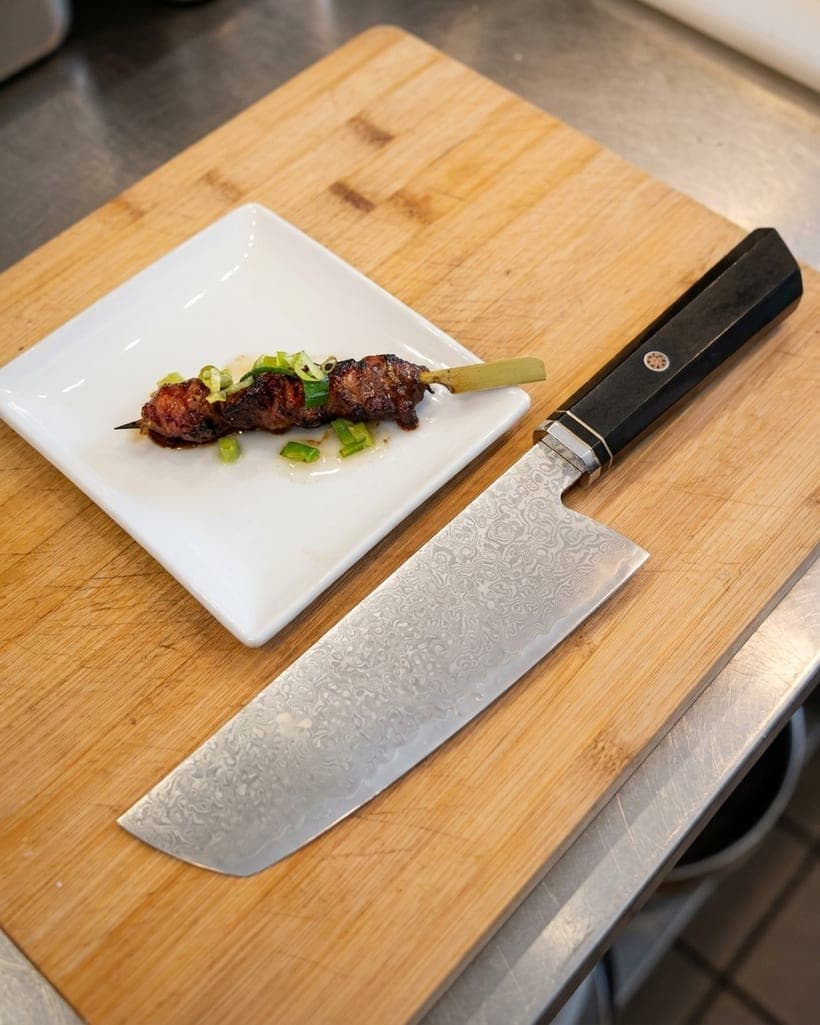
Japanese knife culture hails from a society that prizes subtlety and intention. Traditional Japanese handles, or wa handles, are typically made from lightweight woods such as ho or magnolia, shaped into octagonal, oval, or D-shaped profiles. These were traditionally paired with relatively short blades, designed for precise cuts of fish or vegetables. Compare this with the full-tang Western knives, their handles bulkier, heavier, often favoring a palm-filling, secure grip suitable for robust tasks. As Japanese-style blades have gained international popularity, many manufacturers now produce hybrid models, blending wa handles with heavier blades or even Western-style handles on Japanese steel. It is a global cross-pollination, expanding options but complicating the path to a perfect fit.
The consequence is that buyers are left with a daunting array of choices, and the most subtle variable—how a knife suits their own hands—often gets lost amid exotic steel names and tales of master craftsmen. Yet ignoring ergonomics can have real consequences, from imprecise cuts to hand fatigue and even repetitive strain injuries. The way a person’s fingers wrap around the handle, the alignment of wrist and blade, the pressure required to control the edge—all come back to how well the knife fits the hand.
Modern ergonomics research reveals our hands fall within a broad spectrum of sizes and shapes. Factors such as palm width, finger length, and even how we grip—whether in a classic pinch hold for finesse or a full handle wrap for force—affect which knife feels right. For many, particularly those with smaller or larger hands, the one-size-fits-all approach of most cutlery fails spectacularly.
Japanese wa handles, generally smaller in circumference and lighter in weight, can feel agile and responsive for those with smaller or medium hands. Their lightness encourages a forward balance, allowing the cook to guide the blade’s movement with wrist and fingertips rather than brute force from the arm. Yet the very same properties can make these knives feel insubstantial or awkward for someone with larger hands or who prefers a firmer, more filling grip. There is also the matter of profile shape. Octagonal handles, traditionally considered premium, offer distinct flat surfaces for memory in the hand and control, while oval or D-shaped profiles suit those seeking a softer, more seamless interface. Some cooks develop strong personal preferences, finding unexpected comfort in a shape contrary to their initial expectations.
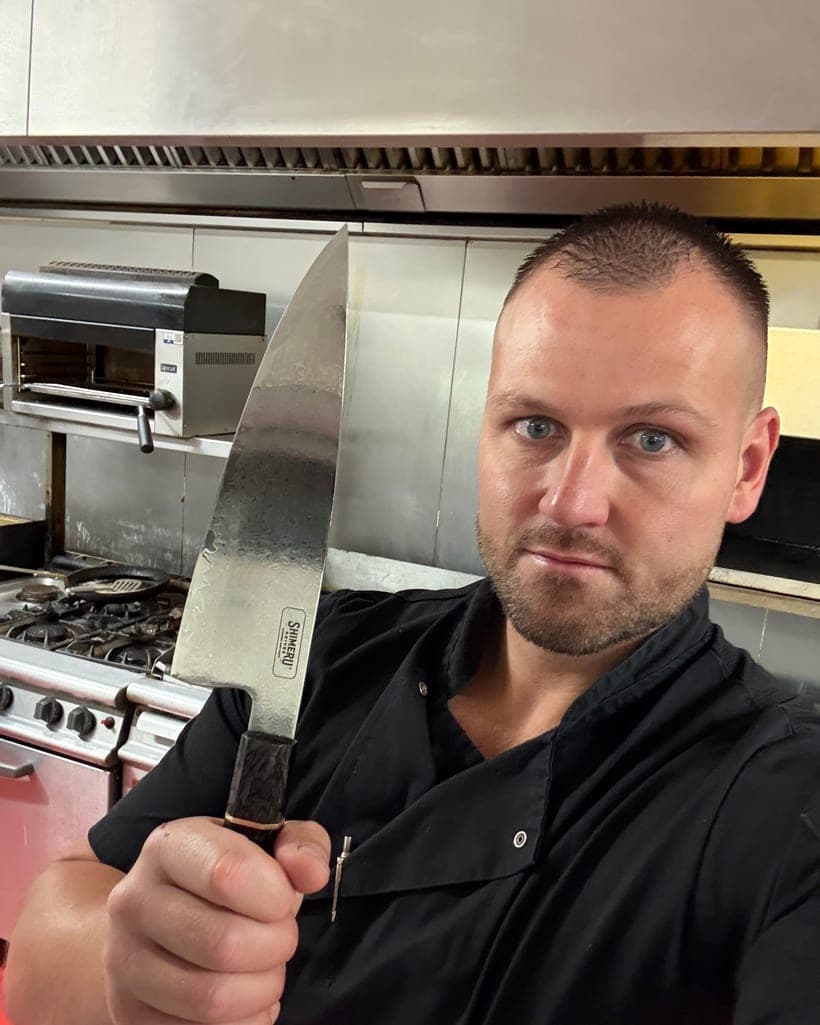
By contrast, Western or yo handles, usually found on Western-style knives and increasingly on Japanese blades for export, tend to be rounder, thicker, and often heavier. Their construction can provide a more secure grip for larger palms or those desiring more substantial hand contact with the tool. Some hybrid Japanese knives merge the virtues of both worlds, aiming for a middle ground that can feel right for a wider range of users. Yet with this proliferation of hybrid designs, the central challenge becomes clear: buyers must wade through a sea of options, weighing personal comfort against tradition and performance.
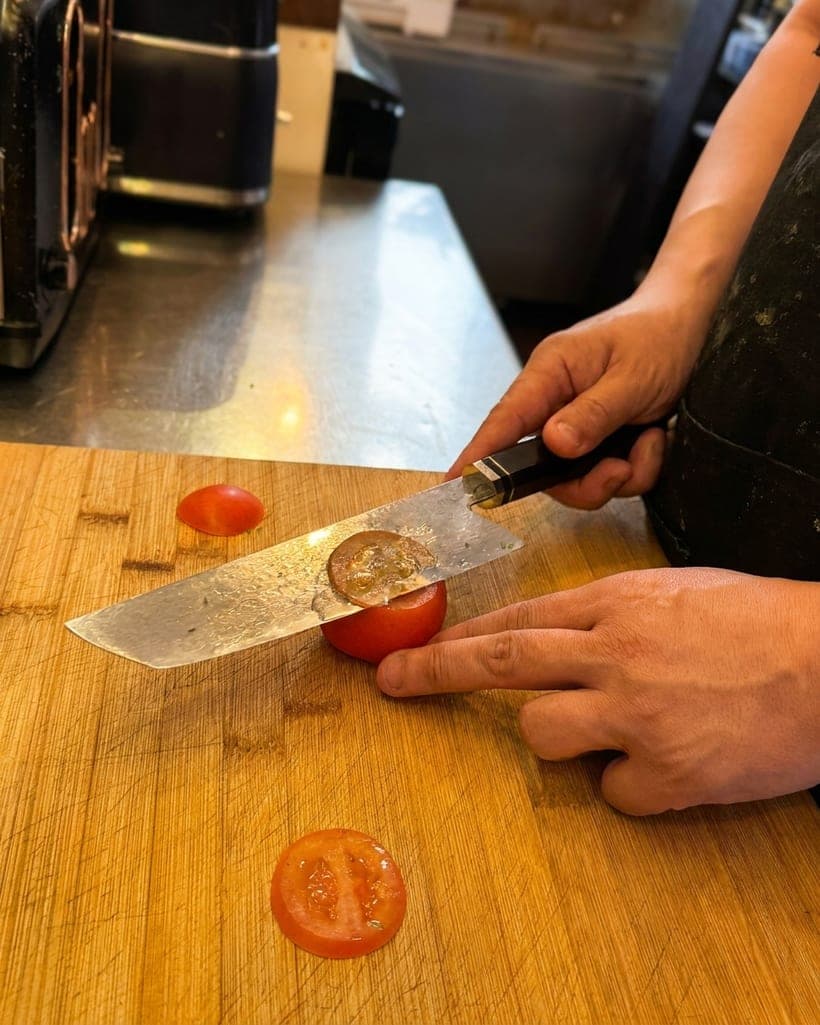
For a home cook trying to navigate this maze, the best advice echoes the wisdom of centuries: listen to your senses. If possible, visit a shop and hold different knives, even if just to feel how their weight and balance play against your grip. Notice how your fingers naturally find their place along the handle, whether the blade feels like an extension of your gesture or a foreign object. Pay attention to the weight distribution—does the knife want to tip forward, or does it rest evenly in your grasp? Is the blade’s width comfortable for your knuckles, or do you find yourself turning your wrist at awkward angles?
Such tactile assessment is not always possible, especially with the rise in online purchasing. In these cases, seeking out detailed reviews and precise measurements becomes crucial. Handle circumference, shape, and overall weight should be scrutinized alongside blade length and steel type. Some specialist retailers and individual artisans now cater to specific hand sizes, even offering custom handles—a promising trend that recognizes diversity in users’ needs.
For professionals or avid home cooks investing in higher-end knives, commissioning a custom handle tailored to one’s own hand should be considered a justifiable expense, rather than a frivolity. After all, a tool that lowers fatigue and risk of injury is a practical investment, not merely an aesthetic indulgence.
The lessons here go beyond choosing a Japanese knife. They speak to a broader movement within kitchen culture—a shift from tool fetishism to an embrace of personal, ergonomic fit. As more cooks become aware of the long-term impact of knife comfort, manufacturers are beginning to respond. Customization, more granular size options, and an emphasis on handle ergonomics are on the rise. The Japanese tradition, always mindful of the union between person and tool, is uniquely poised to offer solutions based on centuries of experience, but only if we ask the right questions about fit.
In selecting a Japanese knife, it is tempting to be lured by the stories etched in steel and the promise of effortless cuts. Yet the true performance of a blade lies in how comfortably, how confidently, it enters your hand. The right choice is not simply sharp or beautiful—it is, most of all, the knife that makes you eager to cook, transforming gesture into craft with every slice.


