



Essential Japanese Knives: Why Every Kitchen Needs These Five Blades
Walk into any high-level kitchen—whether the bustling backroom of a Michelin-starred restaurant, or the well-loved cooking space of an enthusiastic home chef—and you’re bound to find a reverence for Japanese knives. These blades have become almost canonical in the culinary world, revered not just for their razor-thin edges but for the centuries-old traditions and philosophies that shape their creation. As kitchens become more international and home cooks seek to elevate their craft, Japanese knives have moved from niche status to must-have essentials. Yet, beneath the glint of Damascus steel and polished handles, there is a complex tapestry of cultural history, technical evolution, and kitchen practicality that explains not only why certain Japanese knives are prized, but also why they are indispensable.
At the heart of the Japanese knife mystique is a relentless pursuit of sharpness and precision. While European knives historically favored multipurpose robustness, Japanese makers specialize; each shape is tailored for a specific set of tasks, an idea that at first may seem excessive, but reveals its value with every precise cut. This specialization is rooted in Japanese culture’s respect for craftsmanship and precision, qualities historically honed by swordsmiths who forged the fabled katana. Over centuries, these metallurgical techniques found their way from battlefield to kitchen, resulting in knives that are not just tools, but also extensions of a cook’s intent.
It is easy to be overwhelmed by the sheer array of Japanese blade types with their subtly varying shapes and names. However, five knives have consistently emerged as cornerstones for cooks wanting to balance versatility with tradition—essential blades that together create a comprehensive culinary toolkit.
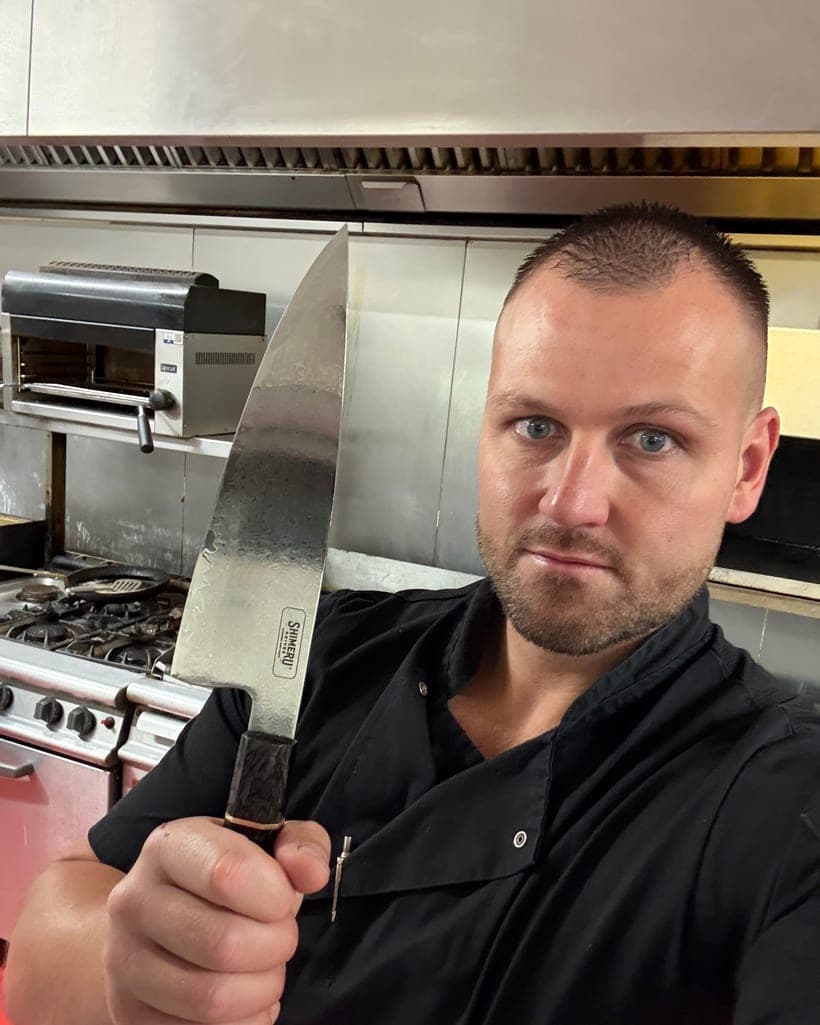
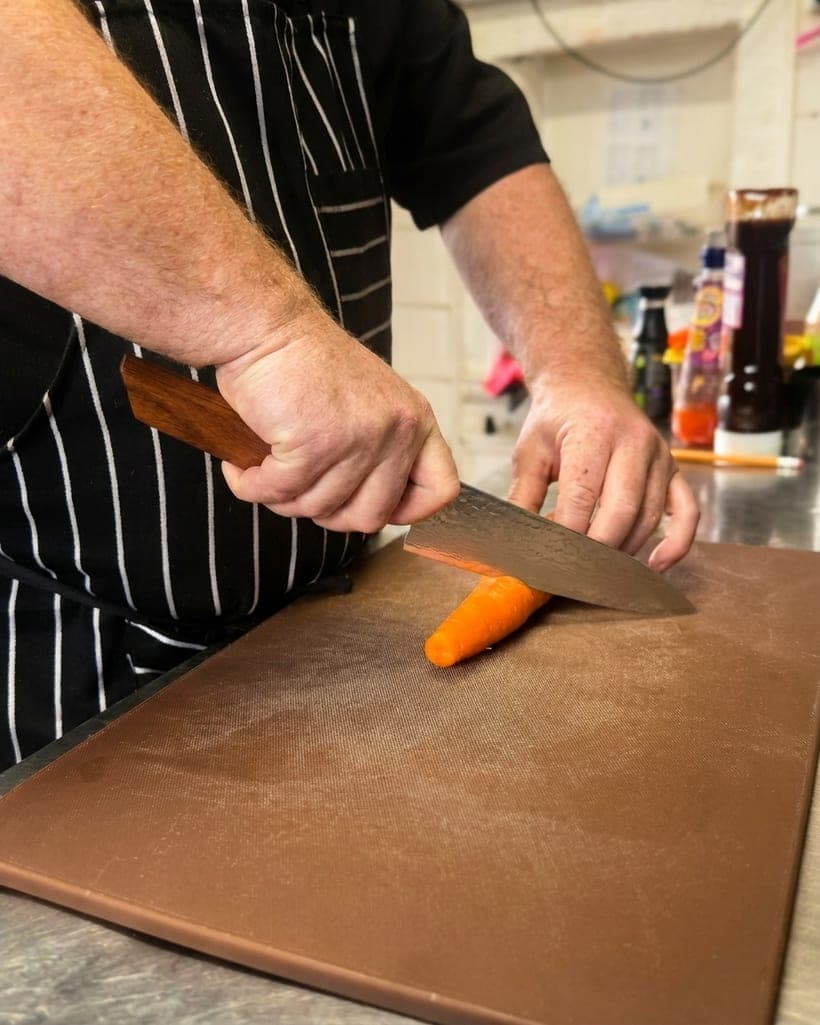
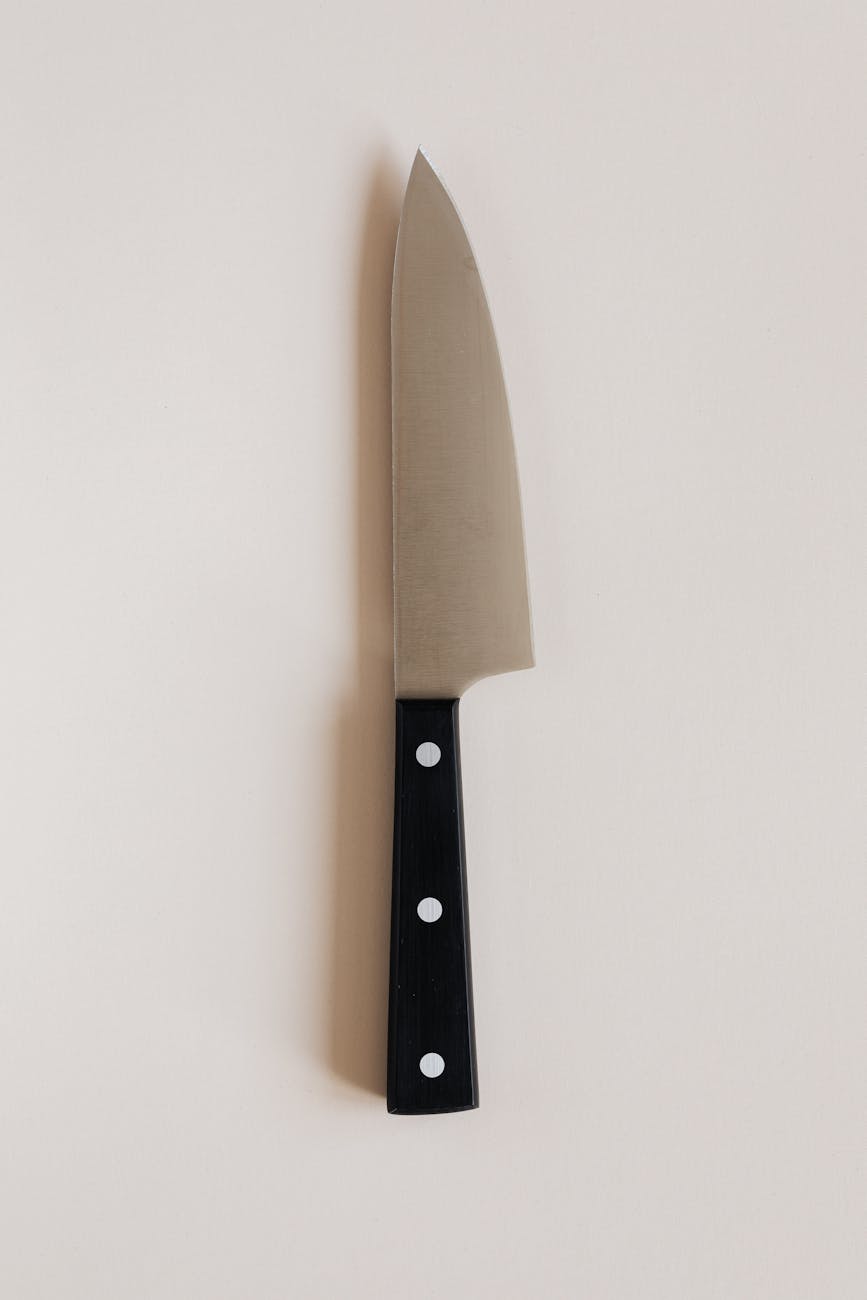
At the epicenter stands the Gyuto, often hailed as the Japanese answer to the Western chef’s knife. With a slimmer, lighter profile and a sharper edge, the Gyuto excels in slicing, dicing, and mincing, but offers an agility that heavier European blades cannot match. Its versatility is its genius: from raw fish to root vegetables, the Gyuto’s precision reduces muscle fatigue and increases efficiency, a fact that makes it the backbone in both home and professional kitchens. The surge in global popularity of the Gyuto reflects a broader trend: cooks everywhere are embracing lighter, more finely balanced knives that allow intricate work with less strain.
Nestled beside the Gyuto in both importance and use is the Santoku. The name means “three virtues”—cutting vegetables, fish, and meat—and few other knives live up to their namesake so aptly. The Santoku’s sheep’s-foot blade and flat edge encourage a different cutting motion: a straight-down chop rather than the rocking movement used with Western chef’s knives. This design attracts home cooks who want precision in controlled spaces, especially when dealing with vegetables. As vegetarian and plant-based eating become more central in culinary conversations, the Santoku’s popularity only grows. Its rise mirrors a shift toward fresher, produce-centered cooking, connecting global food trends with ancient Japanese knife-making wisdom.
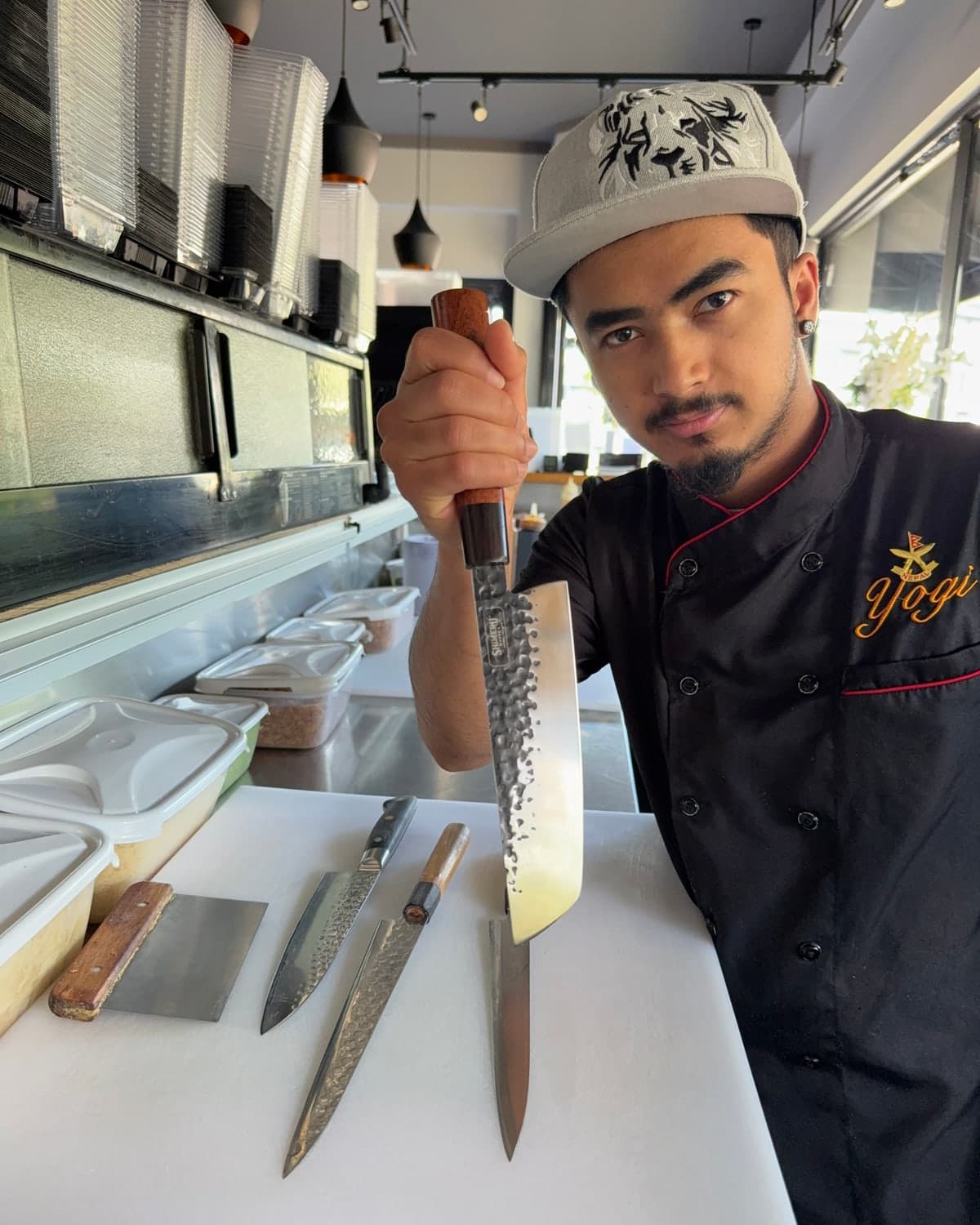
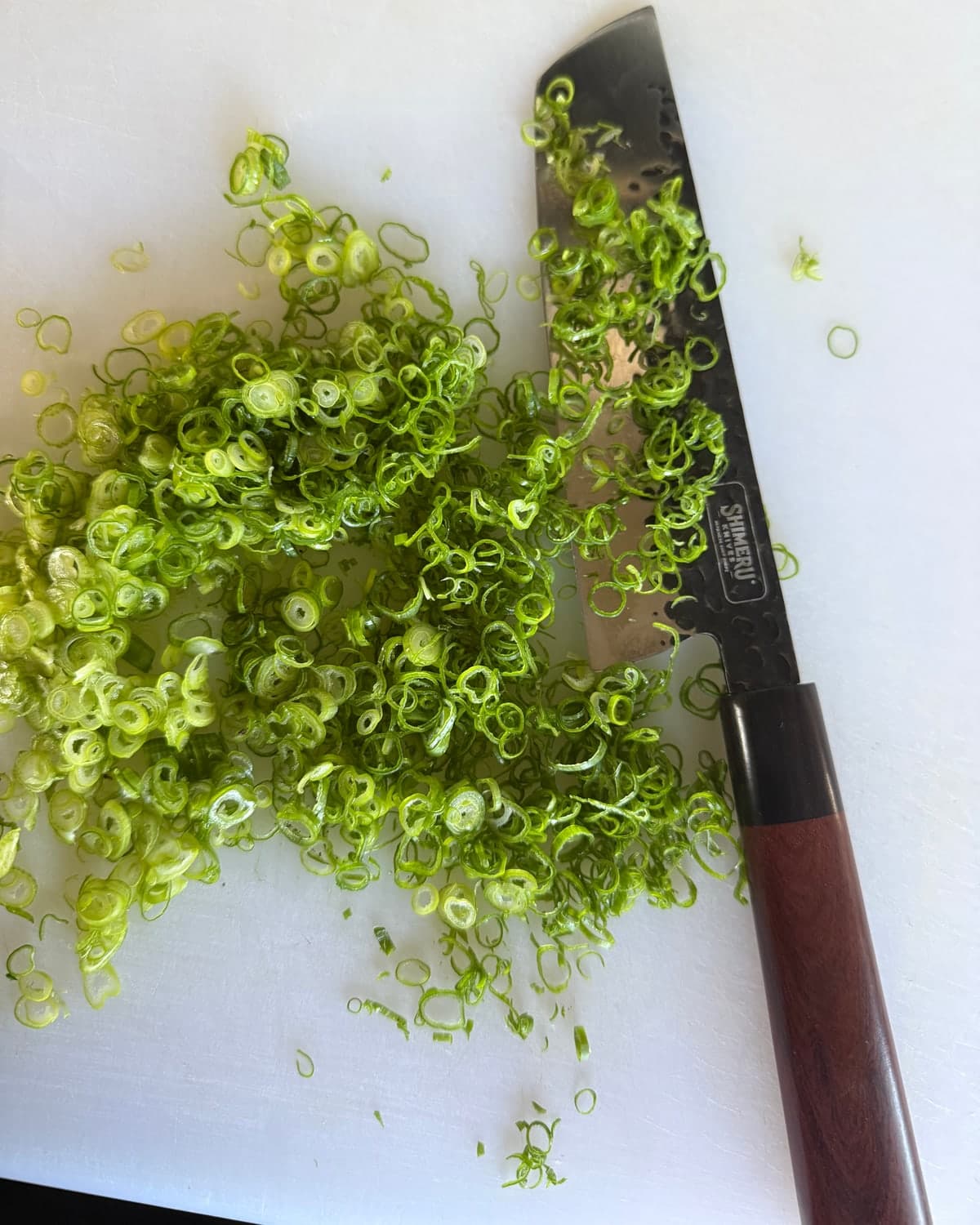
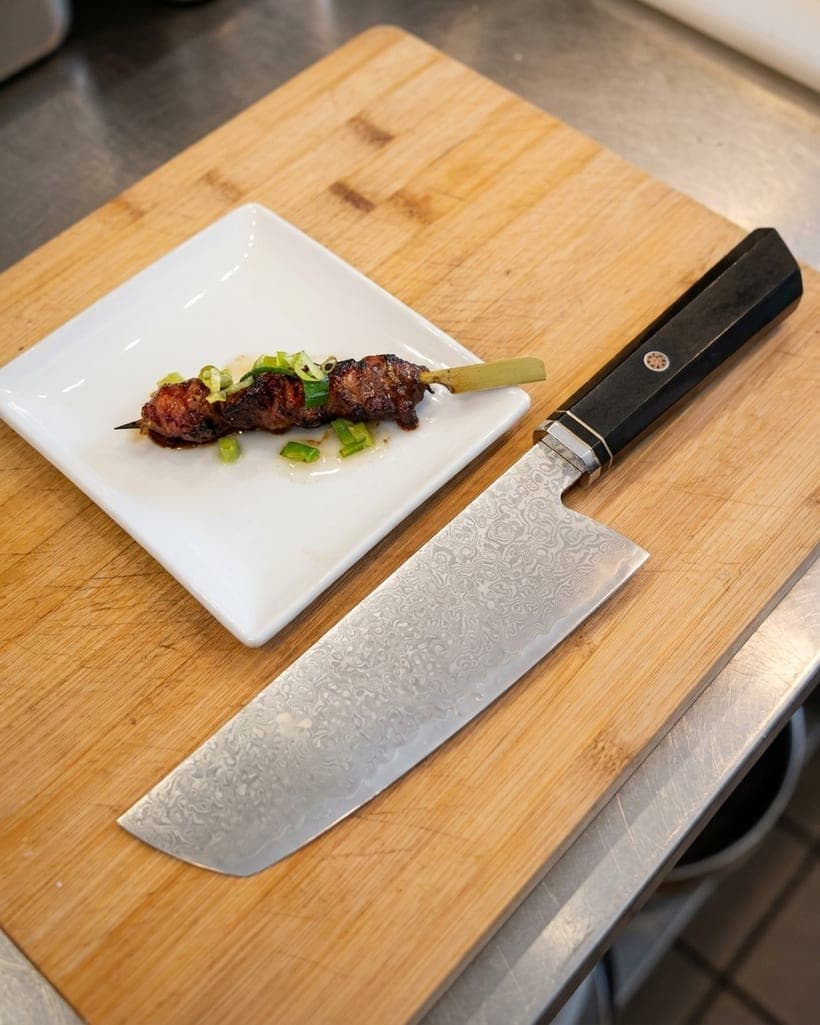
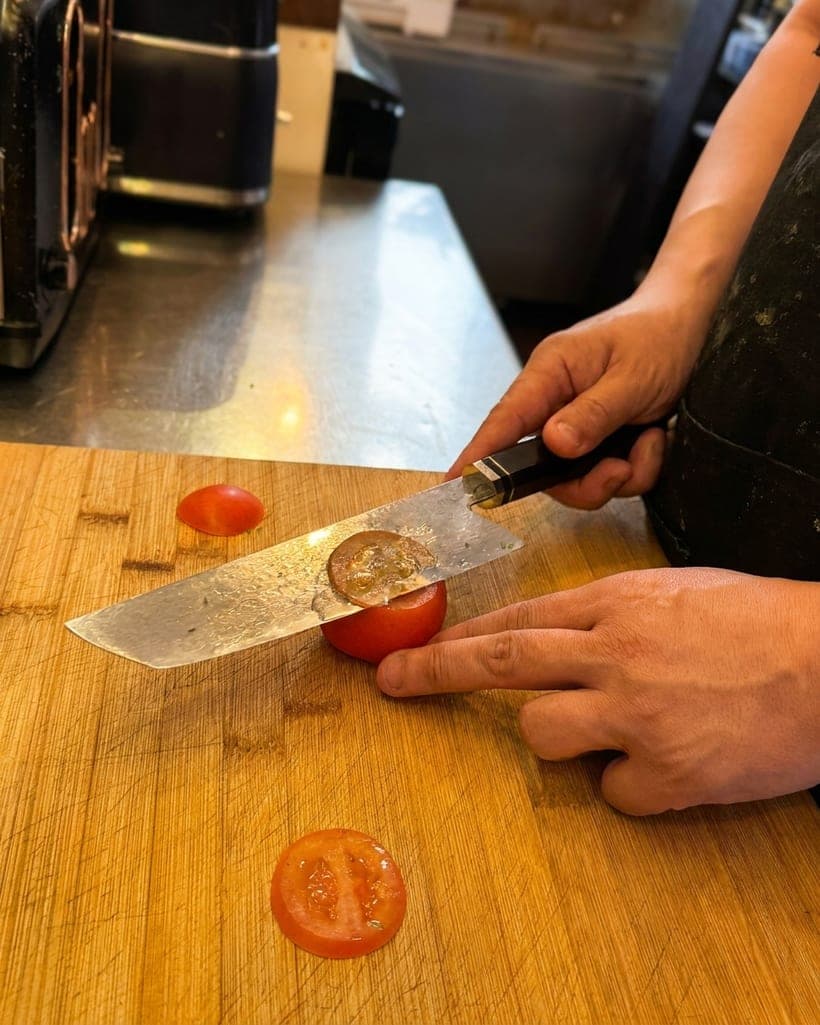
For those who engage with vegetables daily, the Nakiri is a revelation. With a thin, double-beveled, rectangular blade, the Nakiri slices through produce with a single stroke, preserving cell walls and flavor in the process. In a world obsessed with kitchen gadgets, the Nakiri’s elegance lies in its simplicity, and its resurgence signals a return to purposeful, well-made fundamentals. The history of the Nakiri is not lost on Japanese families, where the knife has long been a mainstay of home cooking, especially for the meticulous preparation of vibrant, seasonal vegetables.
Where delicacy is required, the petty knife steps in: a small, agile blade designed for intricate tasks, from hulling strawberries to de-veining shrimp or mincing garlic. Functionally, it occupies the space of the Western paring knife, but with the same attention to thinness and hard steel that defines Japanese blades. As global cuisine brings more meticulous garnishes and precise ingredient handling to everyday kitchens, the petty knife has become indispensable. This trend is echoed in the increasing number of serious home cooks operating at the intersection of artistry and precision.
No conversation about essential Japanese knives is complete without mentioning the Deba. Unlike its siblings, the Deba is a heavier, thick-spined knife intended for breaking down fish and poultry. Its robust build allows it to cut through small bones without chipping, making it invaluable for anyone working regularly with whole fish—an area where Japanese culinary tradition is unparalleled. The Deba’s continued relevance in Western kitchens speaks not just to a broader embrace of sashimi, fish butchery, and nose-to-tail cooking, but also to the deeper cultural appreciation for respecting ingredients by utilizing every part.
As Japanese knives have become more mainstream, they face several challenges. Authenticity is easily diluted by a flood of mass-produced imitations that lack the meticulous craftsmanship and high-carbon steels of true Japanese blades. Cooks increasingly need to navigate a crowded marketplace, discerning not just brands, but also construction methods such as single versus double bevel, carbon versus stainless steel, and the significance of a hand-forged blade. Yet, these very challenges have fostered a new literacy among chefs and consumers who want to understand what makes a good knife, who value the provenance of their tools, and who seek a connection to tradition.
Furthermore, there are lessons to be drawn from the philosophy underpinning Japanese knife-making: an ethic of continuous improvement, or “kaizen,” and an unwavering respect for materials and technique. The way a chef treats their blade—regularly honing, carefully washing, never dropping—is as revealing as their approach to food itself. A Japanese knife demands not just skill, but also mindfulness, tying the act of cooking to a ritual of care and attention.
Opportunities abound for those willing to invest in a collection of essential Japanese knives. For professional chefs, the edges push the limits of what is possible, allowing for cleaner cuts, greater speed, and finer presentation. For home cooks, these tools transform mundane prep into moments of tactile joy. In an age where convenience often trumps patience, the Japanese knife offers a counter-narrative: mastery takes both the right tools and respect for the process.
Ultimately, the reason the Gyuto, Santoku, Nakiri, petty, and Deba have become essential is not simply because they are sharper or more beautiful, but because they embody a philosophy of purpose-driven design. Each knife does one thing exceptionally well, and together, they invite cooks to approach every ingredient with intention. As more kitchens adopt these Japanese essentials, what is sharpened is not just steel, but also the sensibilities of cooks everywhere: attentive, aware, and open to learning from centuries-old wisdom, one cut at a time.


