Choosing the Best Travel Case for Your Gyuto Knife
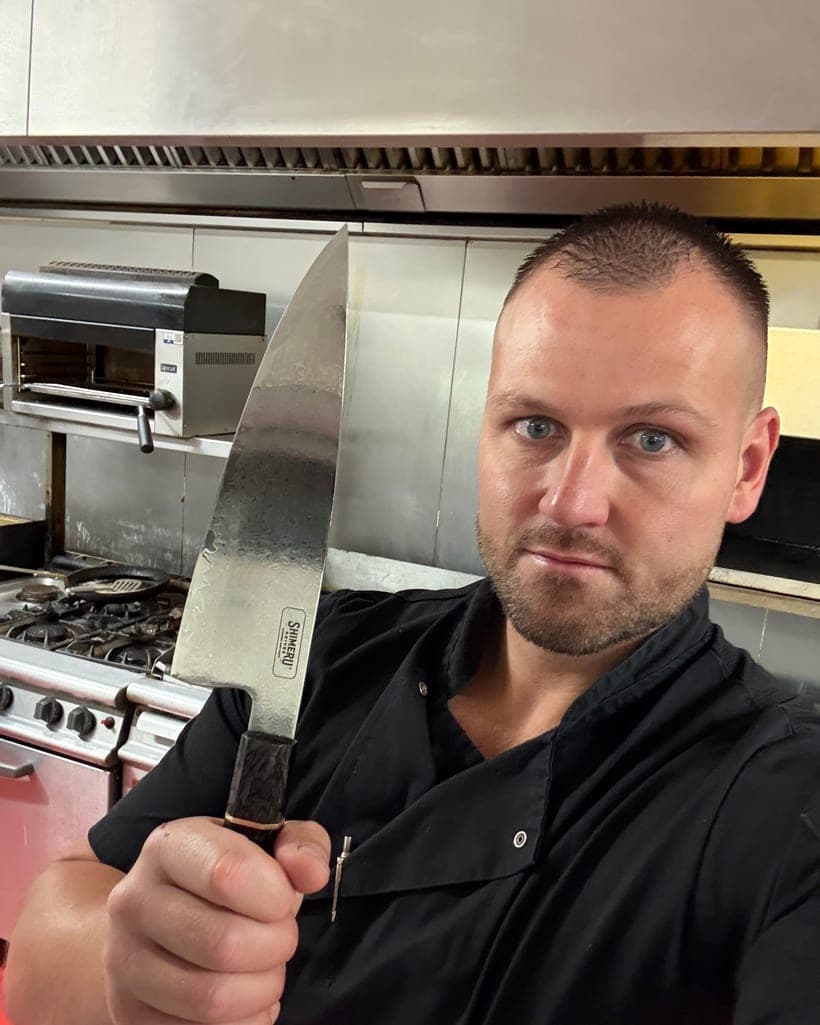
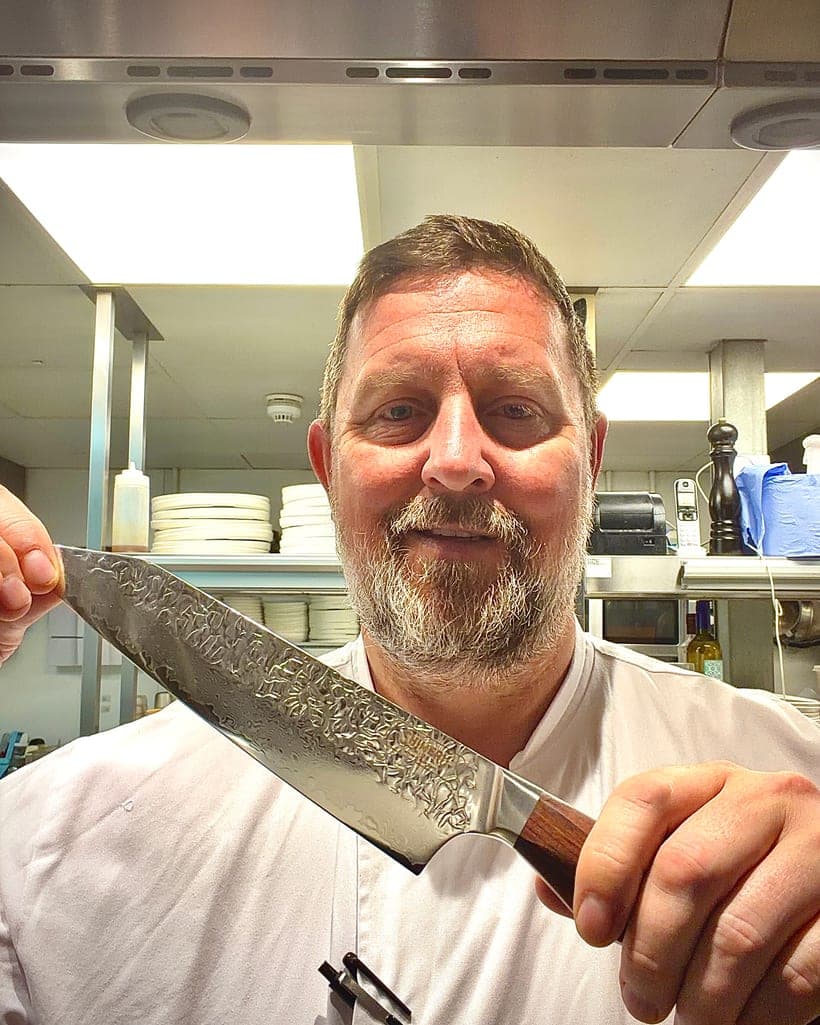
For many chefs and passionate home cooks, a gyuto knife is more than just a tool—it is a trusted partner at the heart of the creative process. With its sharp edge, balanced weight, and versatility, the gyuto embodies the ongoing pursuit of culinary perfection. Yet as cooking becomes ever more mobile—whether at pop-up events, culinary competitions, or simply in a friend’s kitchen—the need to transport valuable knives safely grows increasingly vital. The gyuto, with its keen blade and unparalleled craftsmanship, often represents a significant personal investment, both financially and emotionally. In this shifting culinary landscape, how you protect your gyuto while on the move says as much about your professionalism as your mise en place.
Selecting the right travel case for your gyuto is not a decision to be taken lightly. A glance at the market today reveals a dizzying range of options, each promising to defend your prized edge against the perils of travel. Some are sleek and minimal, others robust and high-tech. The choice, ultimately, extends beyond mere aesthetics: it reflects broader trends in how cooks value and care for their tools, and illuminates the evolving notion of craftsmanship in the age of mobility.
At its core, the purpose of a knife travel case is preventive. The hazards faced during transit are manifold: blades can chip or dull against harder items, handles may warp in moist weather, and entire knives risk getting lost amid the chaos of a bustling kitchen. For the traveling chef, a poorly protected gyuto can swiftly turn a work trip into a logistical migraine. Why, then, do so many passionate cooks still use makeshift solutions such as towels or repurposed plastic tubing? Part of the answer may lie in tradition—after all, the culinary world has always made do with what is at hand. But today’s increasingly sophisticated cases suggest a greater willingness among chefs to invest in long-term protection, not just for convenience but for the peace of mind that comes with knowing their tools are as carefully guarded as their recipes.
Knife rolls represent a classic solution, favored for their blend of tradition and practicality. Made from materials such as canvas, waxed cotton, or leather, these rolls offer individual pockets for each blade. The allure of a well-made roll is undeniable: they age gracefully, develop a personal patina, and evoke a certain nostalgia for old-school craft. Yet for the gyuto owner, knife rolls are most effective when paired with additional protective sleeves—often wood or plastic sheaths known as saya—to prevent blades from clashing together inside the roll. This two-stage approach appeals to purists who appreciate tactile materials and hands-on rituals, but it is not without drawbacks. Rolls can be bulky, and unless they are fastened securely or lined carefully, there is always the risk of a blade slipping loose.
The emergence of hard-sided knife cases signals another fascinating trend: the convergence of culinary artistry with modern engineering. Options abound, ranging from injection-molded plastic to anodized aluminum. Some resemble briefcases, complete with customizable foam inserts that cradle each knife in velvet-clad cocoons. Others integrate desiccant packs for humidity control or even biometric locks for the security-conscious. Such cases are a favorite among professional chefs who travel frequently, providing an unmatched level of protection. Still, they add notable weight and occupy precious space in taxis, on trains, or in cramped commercial kitchens.
On the other end of the spectrum, minimalist blade guards—simple plastic or rubber sleeves that clip onto the knife—offer a lightweight, low-cost solution. Their appeal is easy to grasp: quick, cheap, and available in bulk, they promise basic edge safety without the faff of rolling or locking. While hardly luxurious, they provide an upgrade over unshielded blades and are an ideal gateway for amateur cooks just learning to take their knives on the road. The downside is clear, however: minimal protection against drops, water, or jostling, and little in the way of long-term assurance for a high-end gyuto.
From an industry perspective, the proliferation of finely engineered cases reflects deeper changes in both consumer expectations and manufacturing capabilities. Years ago, knife storage was an afterthought, a mere accessory to the main purchase. Today brands know that discerning customers expect holistic solutions. Artisanal case makers have found a niche, producing handcrafted wooden boxes with precise joinery and custom inlays. At the same time, mass-market brands have introduced antimicrobial linings, modular compartments, and water-resistant zippers. In aggregate, these advances mirror a broader cultural embrace of quality and intentionality—a recognition that good tools are worth safeguarding, and that portability is intrinsic to twenty-first-century cooking.
For readers weighing their own purchases, the choice involves a dynamic calculus of risk, style, and utility. An entry-level chef on a tight budget may find that a simple blade guard suffices for occasional travel, especially if paired with a dedicated compartment in a backpack. For established professionals, the upfront cost of a hard case or a custom-fit roll may seem high, but pales in comparison to the expense and heartbreak of a ruined gyuto. Practicality remains paramount: consider not merely the aesthetics of a travel case but how it fits your unique rhythm, work environments, and frequency of travel.
Moreover, the sustainability conversation is filtering down into knife case manufacturing. More brands now tout eco-friendly dyes, vegetable-tanned leathers, and recycled synthetics in their cases. Users increasingly ask questions about repairability and end-of-life disposal. This shift is not incidental. It underscores a growing consensus that respecting your tools includes respecting the materials and communities that make them.
At first glance, a travel case might seem a trivial concern—an accessory meant to organize, not inspire. Yet in its evolving forms, the knife case embodies key lessons for the modern cook. It demands that we treat our most prized tools with care. It acknowledges that mobility, once the exception, is now the norm in creative work. And it urges us to look past the surface, embracing protection and preparedness as extensions of respect for skill and craft.
In the end, the best gyuto travel case is the one that fits your needs—fusing protection, convenience, style, and a dash of personal meaning. To care for your knife, after all, is to care for your craft. As the art of cooking sprawls out of the home and across the world’s kitchens, the case you choose will help ensure your gyuto arrives as sharp and ready as your ambition.