




Blades and Bowls: The Shared Philosophy of Japanese Knives and the Tea Ceremony
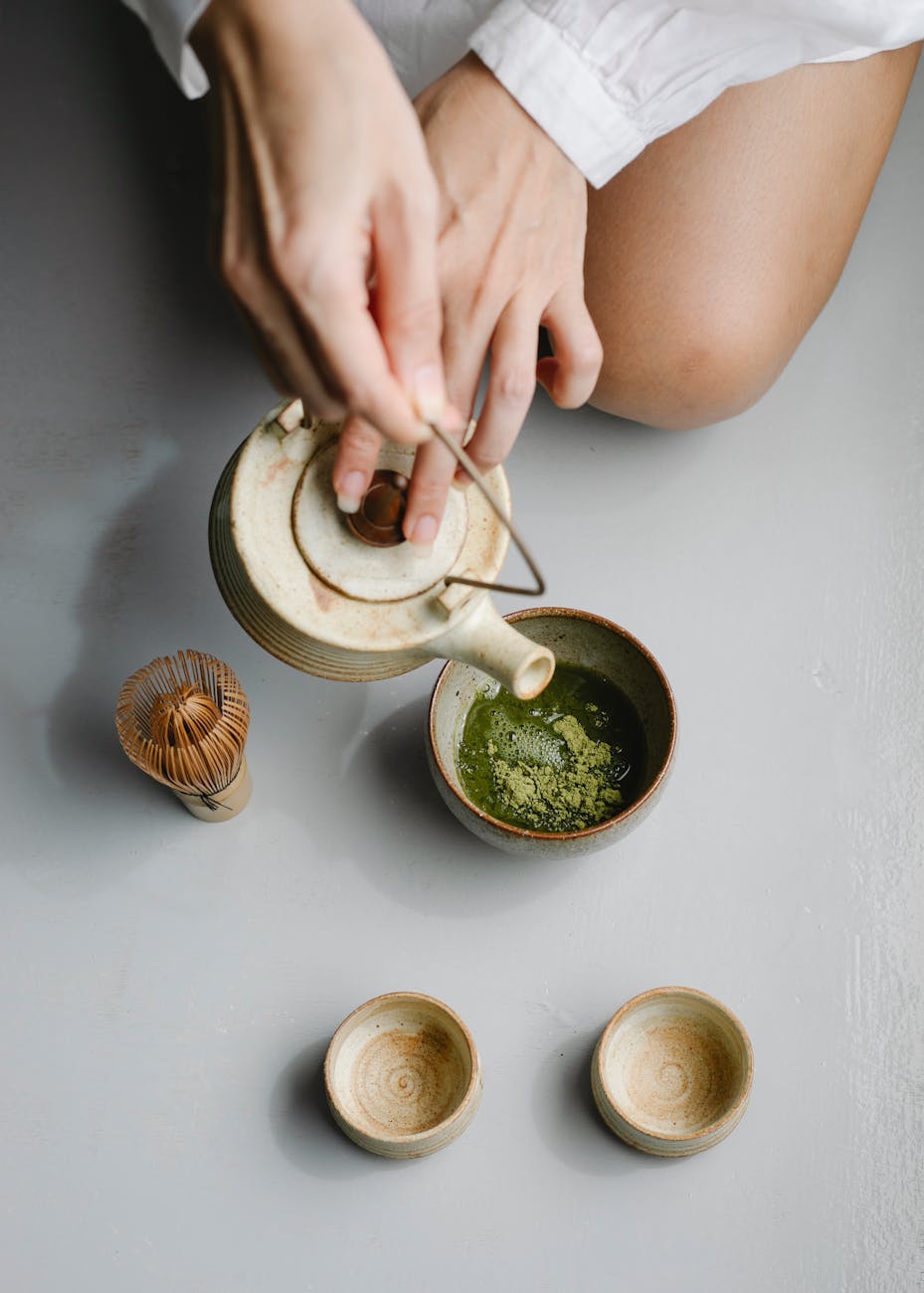
In the quiet alcoves of a Kyoto teahouse, where tatami softens footsteps and every gesture is considered, the connection between blade and bowl runs deeper than mere culinary function. Here, Japanese knives and the tea ceremony, or chanoyu, intersect in a shared philosophy: a dedication to precision, an abiding reverence for materials, and an unwavering pursuit of beauty in simplicity. While one might initially see a chasm between the steely edge of a master-crafted yanagiba and the gentle flow of whisked matcha, beneath the surface pulses an ancient harmony of purpose—one that continues to shape the soul of Japanese craftsmanship.
Japanese knives have long been the object of international fascination. Their razor-sharp edges and mirror-finished blades are coveted by chefs and collectors alike. But to truly understand their cultural depth, one has to look beyond the culinary world, toward the quieter aesthetics of Japanese life, perhaps nowhere more evident than in the ritual of tea. The tea ceremony is not only about the preparation and enjoyment of matcha but about cultivating mindfulness and a sense of seasonality, encapsulated in every carefully chosen utensil and movement. At first glance, the tools of a sushi chef and those of a tea master, or chajin, seem worlds apart. Yet both are governed by strikingly similar philosophies.
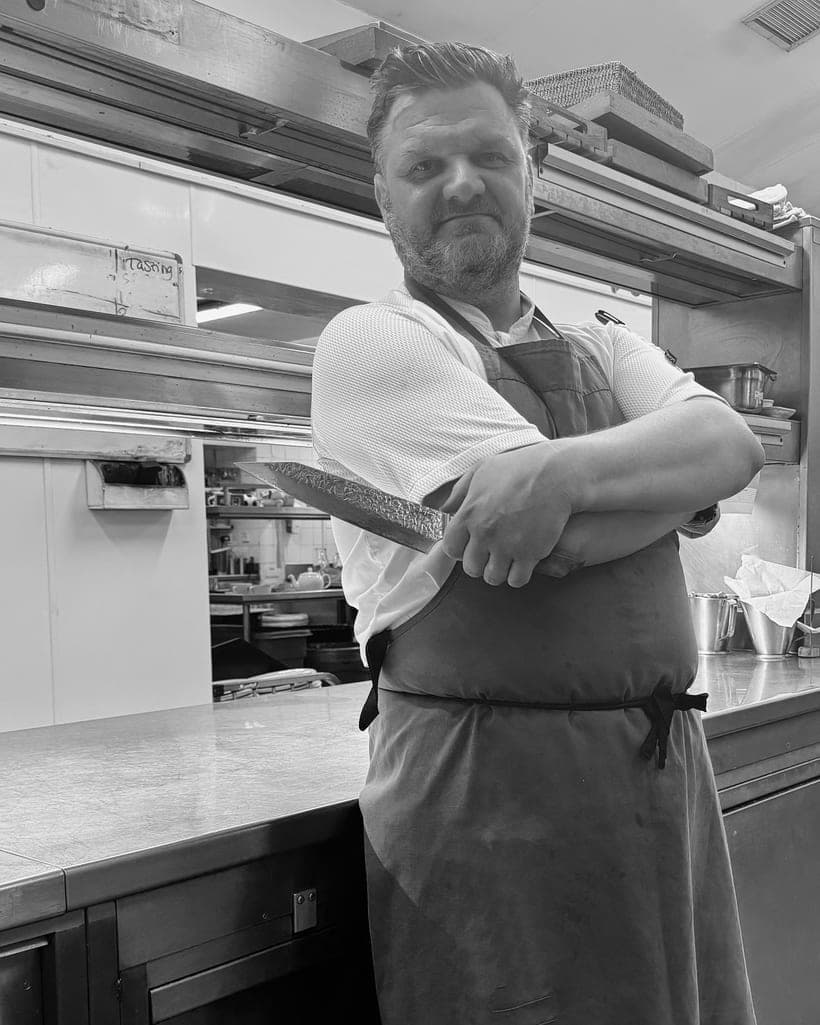
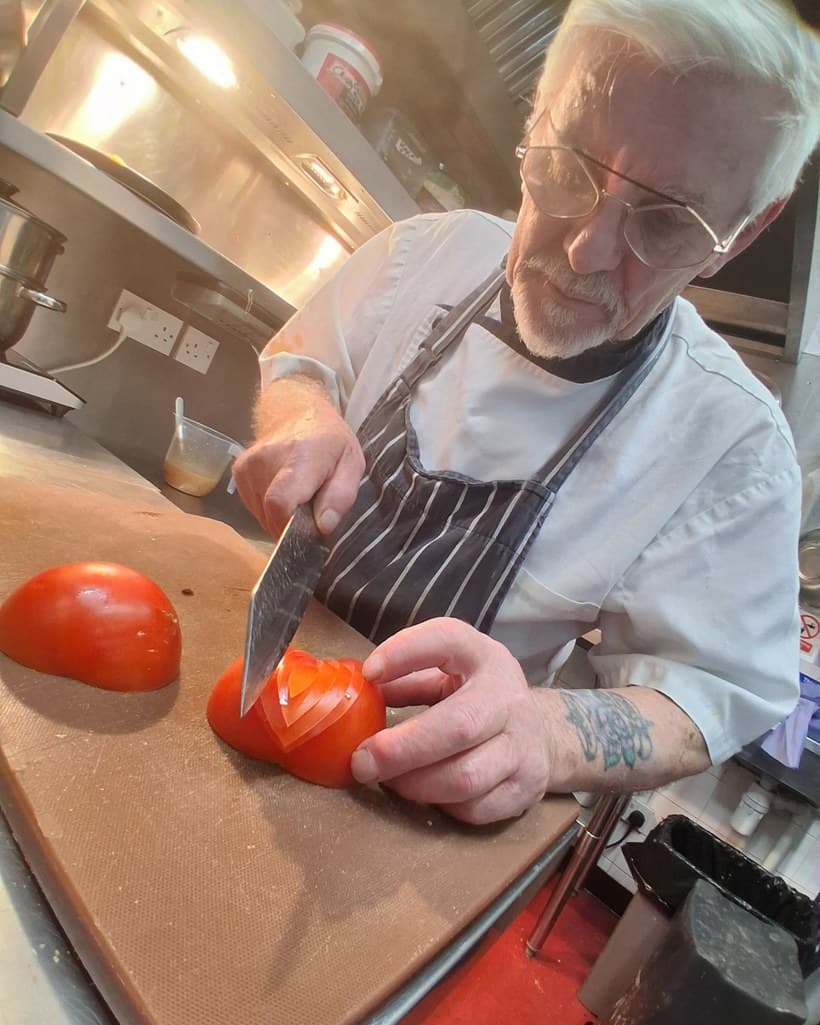
At the heart of both the making of a Japanese knife and the practice of chanoyu lies the concept of kata, or form. Kata is the meticulously prescribed way of doing things, whether forging steel or whisking tea. Knife artisans, or blacksmiths, often inherit centuries-old techniques, each fold of the tamahagane steel a mark of respect for tradition. Their process demands absolute attention to detail, from the forging and hammering to the painstaking sharpening and polishing that gives a Japanese knife its legendary precision. Similarly, the tea ceremony revolves around precise movements and rituals that remain largely unchanged since Sen no Rikyū, the sixteenth-century tea master, codified them. Every action—from how the tea scoop is handled to the cleaning of the thin-walled chawan—carries centuries of inherited expertise and etiquette, manifesting beauty through discipline.
Much like the interaction between steel and whetstone, the tea ceremony is also a study in contrasts. The Japanese aesthetic of wabi-sabi, which treasures the imperfect and impermanent, is celebrated in the asymmetry of a raku tea bowl, its crackled glaze hinting at the hand of the artisan and the passage of time. Knife makers, too, recognize the value in individuality. No two hand-forged blades are identical; minute differences in pattern and form are not flaws but evidence of the maker’s hand and the natural unpredictability of their materials. What emerges from both practices is a philosophy that refuses to separate beauty from functionality. Instead, each asserts that mastery is attained at the intersection of usefulness and artistry.
Yet there is another layer to this relationship—a meditation on mortality and transience, which, in Japanese thought, is famously expressed as mono no aware. Unlike Western kitchen knives, prized for their robustness and designed to weather years of use, a Japanese knife—particularly those used for kaiseki cuisine, which often accompanies the tea ceremony—demands careful stewardship. Its edge may chip if mishandled, its carbon steel blade vulnerable to rust. In the tearoom, the chajin cleanses every utensil with immaculate precision, aware that beauty is maintained by constant, thoughtful care. This mindfulness toward objects is not a mark of fragility but of appreciation, a gentle reminder that even the sharpest blade and the finest ceramic are transient, their beauty lying in their ephemerality.
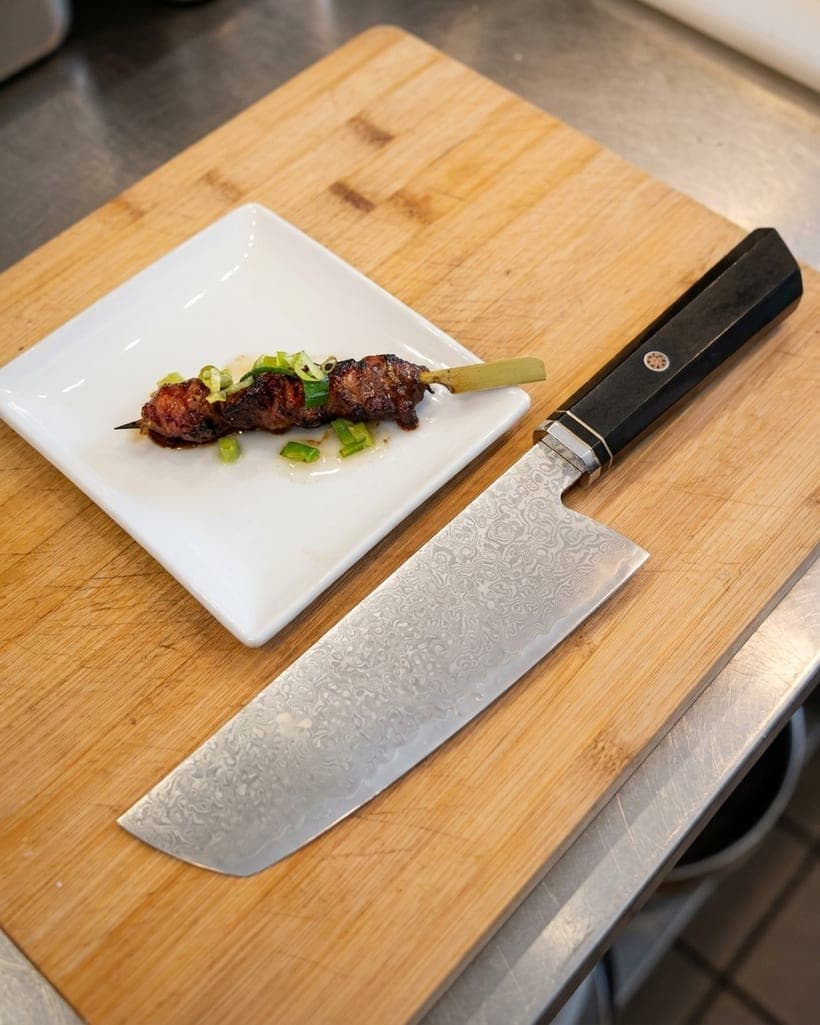
Today, this ancient affinity between precision tools and artistic ceremony faces both challenge and opportunity. The rise of global culinary culture has catapulted Japanese knives into the international limelight, but mass production and overseas demand threaten the survival of true artisanal skill. Factories can now churn out blades adorned with superficial Damascus patterns, yet lacking the soul of a hand-forged piece. Similarly, the tea ceremony, once the exclusive province of the elite and a marker of sophisticated cultural accomplishment, now contends with modern schedules and the growing perception of obsolescence in a rapidly digitizing society.
Yet both the art of the Japanese knife and the tea ceremony are experiencing a quiet renaissance. The surge in interest in slow food, mindfulness, and intentional living has brought new adherents eager to learn from the past. Young blacksmiths, some returning from stints in French and Italian kitchens, are taking up the hammer, blending tradition with innovation. Contemporary tea masters welcome students from outside Japan, hoping to keep their craft relevant not just through authenticity but through creative adaptation. This cross-pollination brings with it new opportunities: tea rooms in Brooklyn and Berlin host ceremonies that honor tradition while inviting new interpretations; knife makers experiment with sustainable materials, reimagining the future of an ancient craft.
The lessons for those beyond the world of blades and bowls are profound. In both the making of a Japanese knife and the execution of the tea ceremony is embedded a mindfulness that transcends the act itself. Precision, far from restrictive, becomes a path to freedom—freedom to focus purely on the essence of one’s task, to connect century-old knowledge with present-moment awareness. Aesthetics, meanwhile, emerge not from ornamentation but from a deep respect for process, material, and context.
For technology enthusiasts, designers, chefs, or anyone seeking meaning amid the noise of modern life, the synergy between Japanese knives and the tea ceremony offers more than just inspiration. It is a reminder that excellence does not come from shortcuts or the accumulation of features, but from the patient refinement of essentials. Beauty, they teach, is not a goal but a byproduct of doing even the smallest things with meticulous intention.
As globalization accelerates, some Japanese artisans worry that these traditions may be further diluted or commodified. Yet perhaps it is precisely their combination of adaptation and rootedness that will allow them to endure. In the play of steel on stone, in the silent choreography of tea, Japan offers the world a model for reconciling innovation with heritage. A shinogi line glinting beneath fluorescent kitchen lights, a bowl filled with vivid green matcha—these are not just artifacts of an ancient culture, but living testaments to the enduring power of precision and aesthetics.


