



A Guide to Gyuto Blade Finishes: Artistry, Function, and Tradition in Japanese Kitchen Knives
Stroll the aisles of any specialist Japanese cutlery boutique and the first thing you’ll notice—even before you heft a gyuto in your hand—is how the light seems to dance across blade after blade in an exquisite kaleidoscope. From artfully pitted hammered finishes that play like moonlight on water to dazzling, obsidian-smooth mirror polishes that rival a museum artifact, the variety of gyuto blade finishes promises an experience that transcends the mere act of cutting. These finishes, subtle or bold, are much more than decorative indulgence. They are the result of traditions honed over centuries, functional innovations responding to the ceaseless demands of both chefs and enthusiasts, and also a canvas upon which smiths and brands carve their own identities.
Let’s go beneath their shimmering surfaces to understand the artistry, engineering, and culture behind how a gyuto is finished. This journey will reveal much about prevailing trends in culinary tools, challenges inherited from both ancient and modern worlds, and the unexpected ways that something as ostensibly superficial as a blade’s finish can alter the very nature of cooking.
The Hammered Finish: Rustic Practicality with Contemporary Appeal
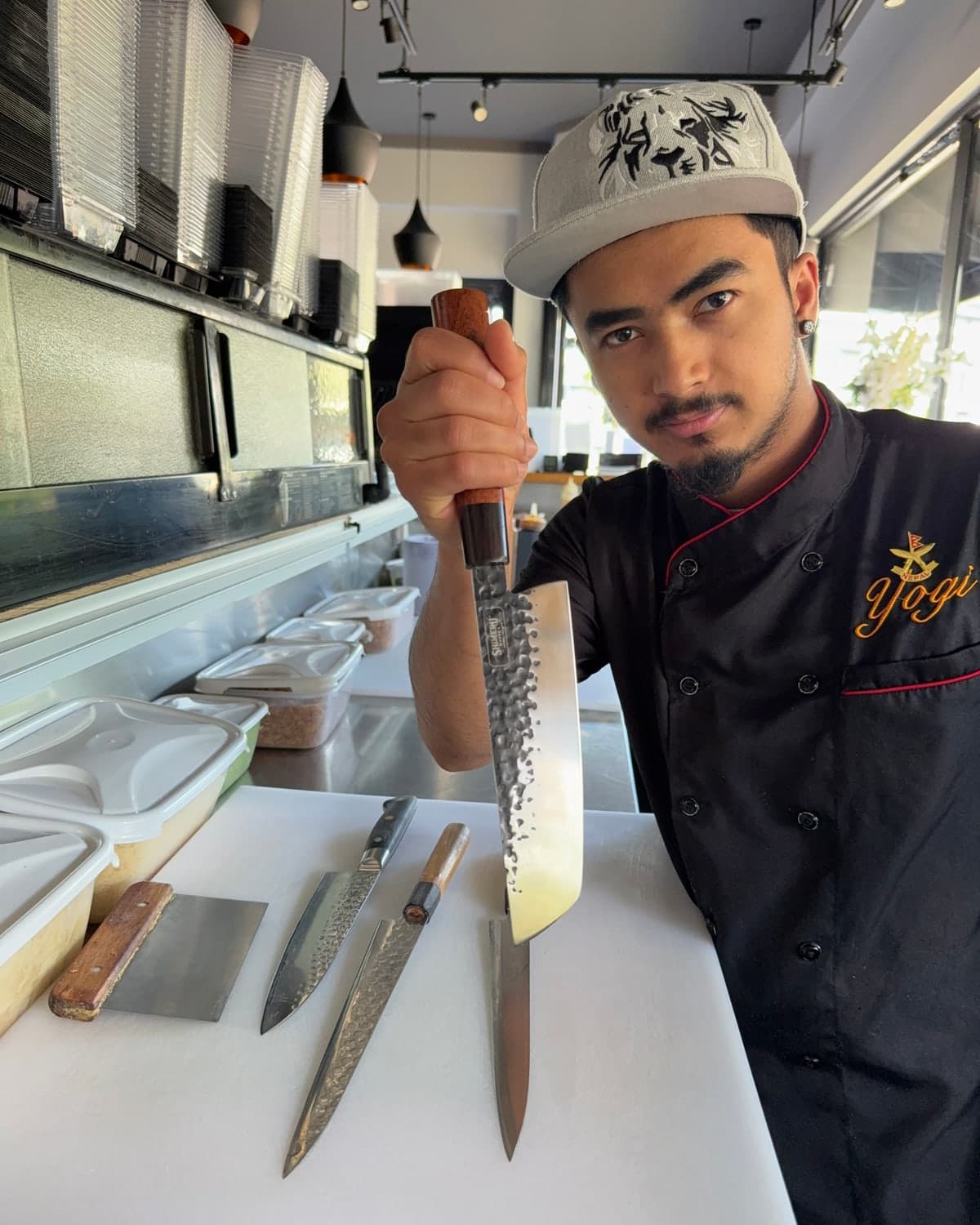
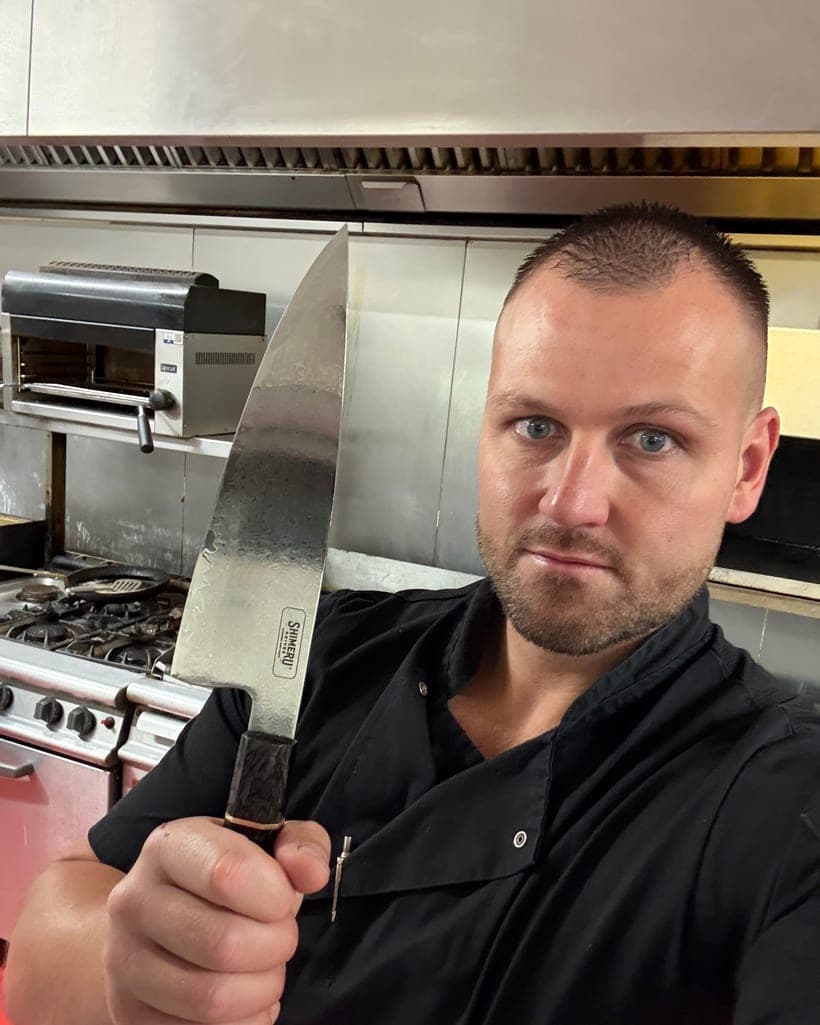
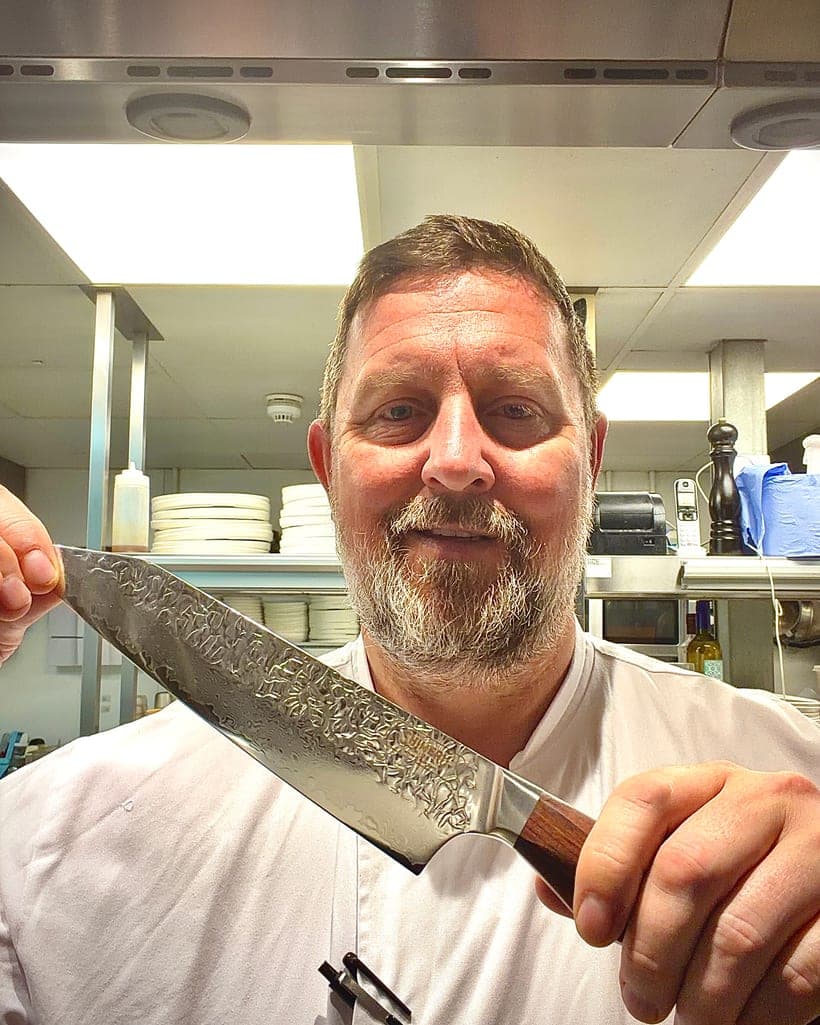
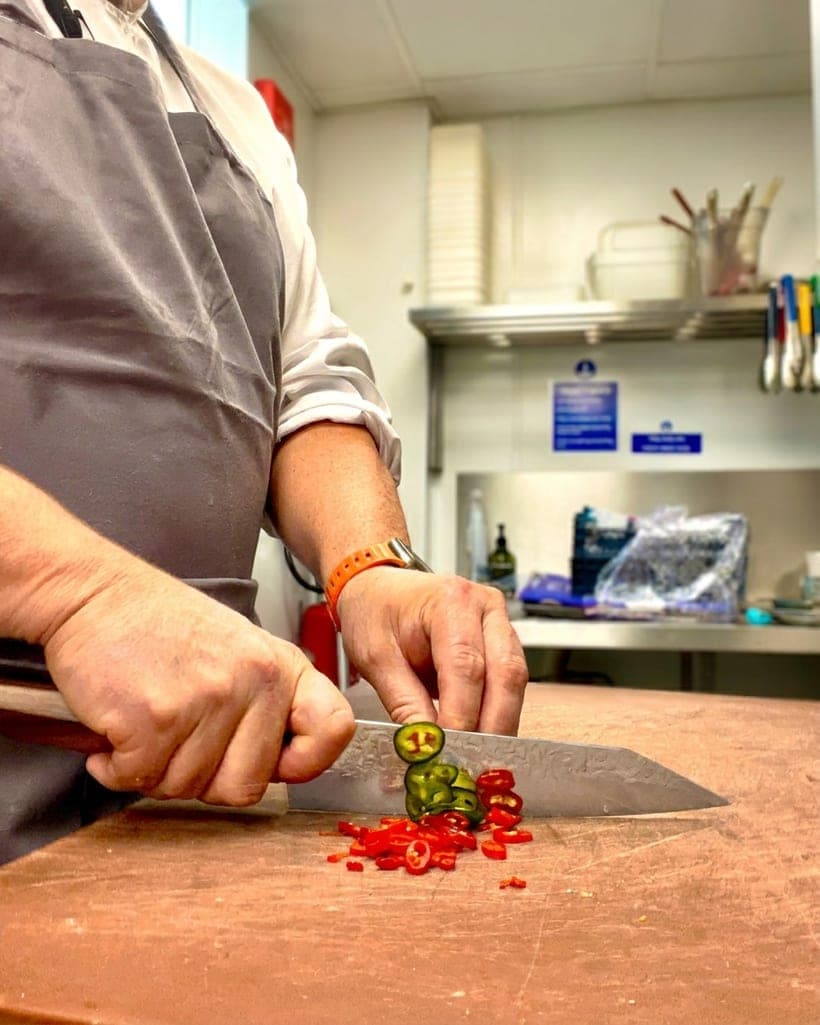
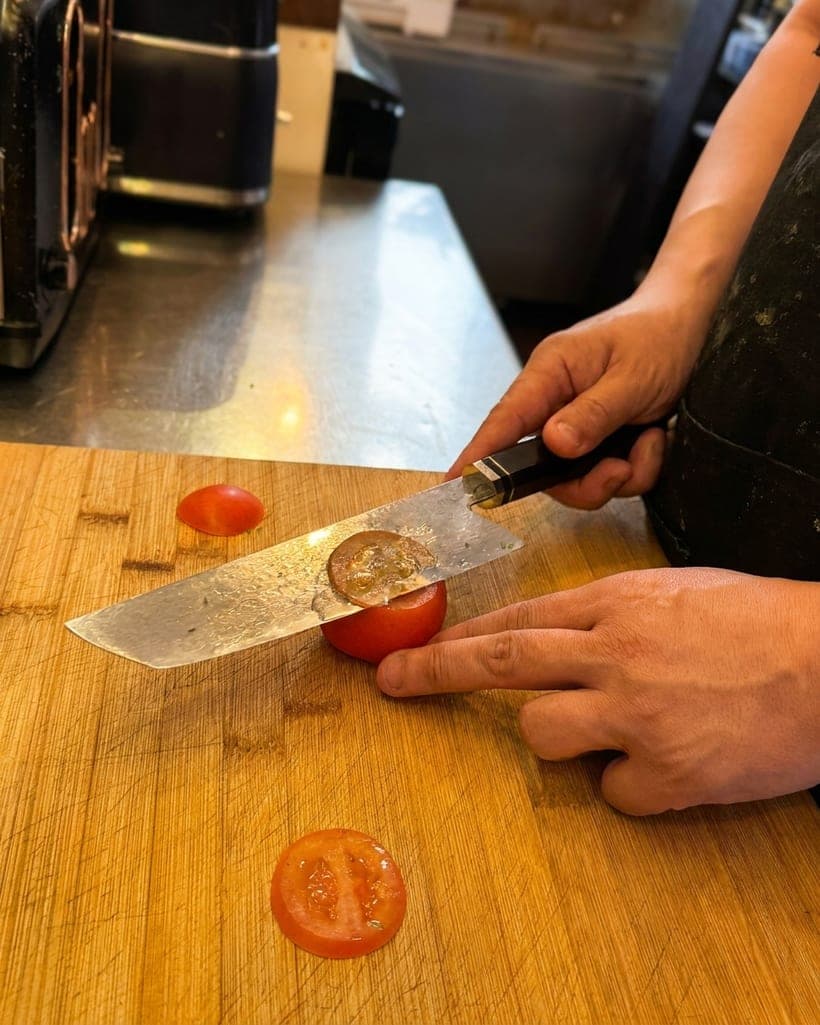
One of the most arresting and instantly identifiable finishes seen on gyuto knives today is the hammered, or tsuchime, pattern. This technique, which involves striking the blade’s surface with a ball-peen hammer or other custom tools, leaves behind deliberate indentations—each one unique, yet collectively forming a rhythmic, organic motif. To the untrained eye, the appeal may seem purely visual, evocative of hand-forged ancestry and wabi-sabi aesthetics. Yet this texture has a distinct functional role: it reduces the adhesion of cut foods, especially starchy vegetables or thin protein slices, by creating minute pockets of air between blade and ingredient.
For home cooks, this may be an advantage only occasionally noticed—less potato will stick, more carrot will slide away. But in the frantic ballet of a professional kitchen, these seconds saved and textures preserved under demanding conditions become a matter of both pride and practicality. The hammered finish’s growing popularity with Western knife buyers, who see it as the hallmark of “artisan” craft, has further propelled its adoption even among mid-tier and mass-produced gyutos. Yet as demand surges, the distinction between machine-stamped and hand-hammered textures blurs, raising questions about authenticity and transparency in an industry increasingly shaped by global consumer expectations.
Mirror Polished: The Pursuit of Perfection
At the other end of the spectrum lies the mirror polish—a finish so slick and gleaming it often seems impossibly flawless. Achieved through painstaking progression up the abrasiveness scale, from rough stones to exceedingly fine polishing compounds and cloths, a true mirror polish reflects both light and the devotion of the craftsman. The primary functional gain here is corrosion resistance, especially important for high-carbon steels that—despite their tremendous edge performance—are susceptible to oxidation. The smoothness of a mirror finish makes it easier to wipe clean and less likely to house micro-pockets where rust can take root.
Yet the pursuit of this perfection is fraught with challenges. It is a labor- and time-intensive process—one not easily mechanized without resorting to compromises. For makers, mirror polishing a blade is a statement of capability and a value proposition justifying sometimes eye-watering prices. For buyers, however, the allure sometimes crosses into the ceremonial. Few mirror-polished gyutos are subjected to the rigors of daily prep in restaurant kitchens; their owners often reserve them for special occasions or even as part of private collections. This paradox highlights a tension at the heart of modern Japanese cutlery—a reverence for tradition balanced against the demands of a global market increasingly divided between users and collectors.
Matte, Satin, and Kurouchi: Where Texture Meets Utility
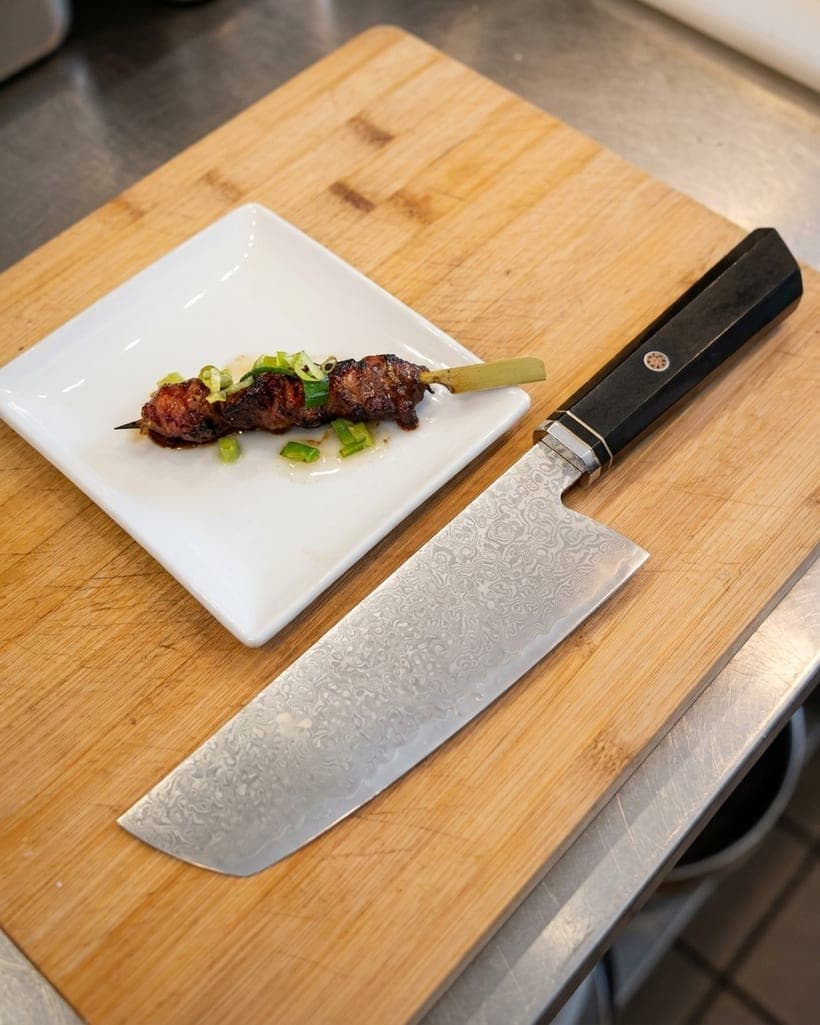
Between hammered and mirror lies a broad spectrum of finishes—the subtle brushed lines of satin, the stealthy allure of stonewashed or acid-etched coatings, and the unbridled rusticity of kurouchi, the latter so named for the black-oxide scale left on a blade after forging. Satin finishes, offering a gently lustrous look and an easy-to-maintain surface, are often the workhorse choice for professional kitchens. Like a well-tailored suit, they are not ostentatious but lend an everyday elegance and resist both fingerprint smudges and minor abrasions.
Kurouchi finishes, by contrast, embody perhaps the purest tradition. The blackened surface is not just a byproduct but a deliberate retention of the blade’s as-forged identity. This finish offers practical rust resistance and a distinct tactile experience, the roughness giving just enough tooth for secure gripping during fine work. While rarely seen on the most refined gyuto lines designed for export, kurouchi appeals to purists and those who value a narrative of transformation—the fire’s legacy left visible.
Trends, Opportunities, and Lessons
The proliferation of gyuto finishes is a microcosm of broader trends in consumer technology and luxury goods, where the line between function and artistry is continually redrawn. Social media and e-commerce have democratized access to blades that were once the exclusive purview of professional chefs in Kyoto or Tokyo. This proliferation creates opportunities for small blacksmiths to gain international recognition, but also challenges them to maintain quality and preserve tradition amid the pressures of scaling up. Meanwhile, Western brands are increasingly blending Japanese aesthetics with their own engineering, introducing a new hybridization to the global kitchen knife market.
The lesson for readers—whether they are casual home cooks, knife aficionados, or industry insiders—is one of discernment. Understanding the true function of a blade finish lets you move past marketing gloss and select a knife not only as a tool but as an extension of your own culinary values. The hammered and mirror-polished gyuto finishes reflect different worlds: one rooted in rustic practicality, the other in painstaking pursuit of perfection. Yet both, and all variants in between, remind us that craft lives in the details. They invite us to appreciate the interplay of old and new, function and beauty, work and wonder found in every shimmering slice.
So next time you reach for a gyuto, let your fingers and eyes linger on the blade’s surface. Each touch tells a story, each finish whispers of centuries past and kitchens yet to come. That is the quiet genius of the gyuto: a tool, an artwork, and a bridge between possibility and plate.