


A Cut Above: The Timeless Allure of the Japanese Knife
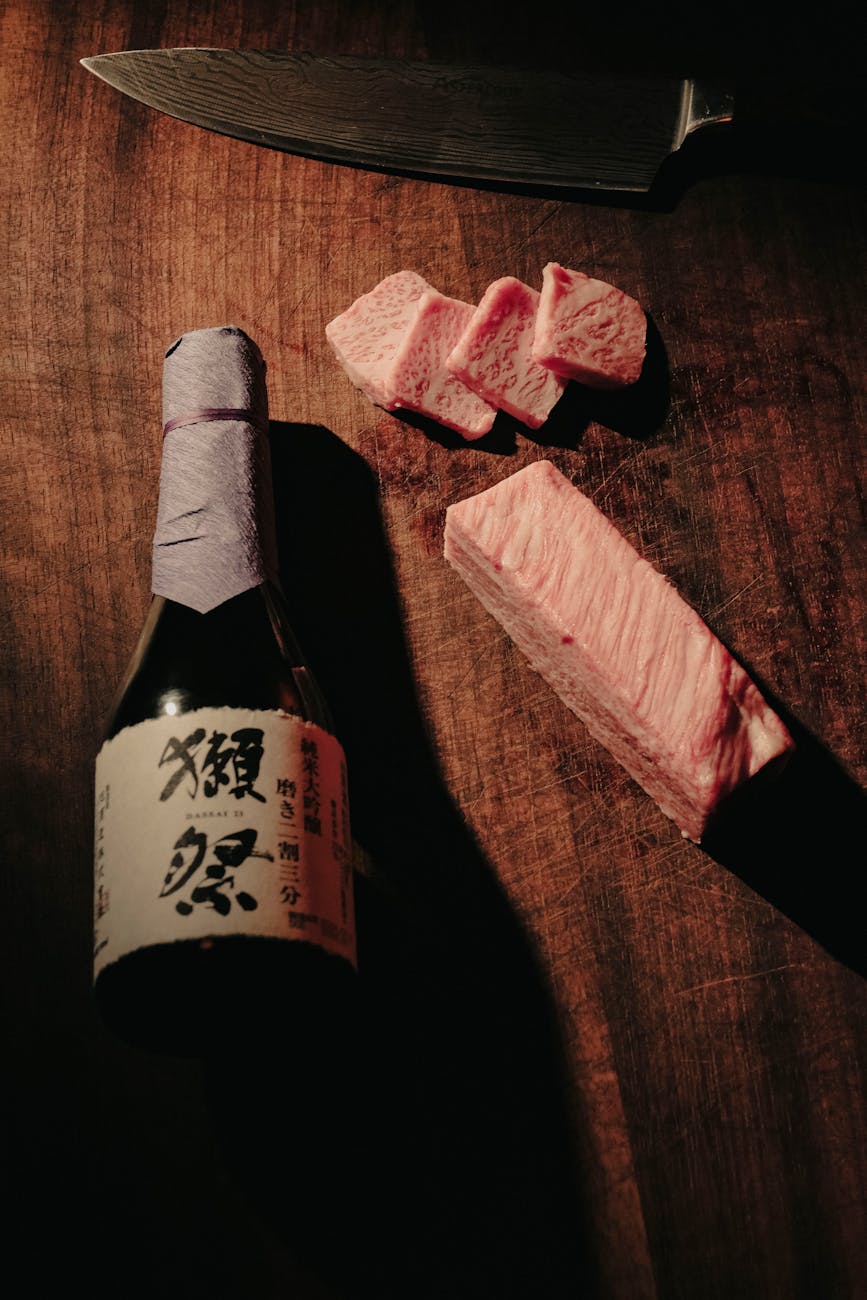
Few objects are as powerfully emblematic of human craftsmanship as the Japanese knife. At first glance, these remarkable blades look stripped of excess—usually a seamless integration of steel and wood, their forms lean and honest. Yet within their slender silhouettes lies a world’s worth of tradition, know-how, and obsessive dedication to perfection. A Japanese knife is more than just a tool; it is the distilled outcome of centuries spent chasing the ideal edge, and today, it is a status symbol for chefs and home cooks worldwide. What is it about these knives that inspires such reverence? And how do they continue to thrive at the intersection of history and innovation, while forging a path into modern kitchens across the globe?
A journey into the Japanese knife’s mystique begins in the bustling food markets of Tokyo and the quiet workshops of Sakai, Seki, or Takefu. Here, the artistry of the blade is practiced with the seriousness of sacred ritual. The roots reach back to the era of the samurai, when swordsmiths forged katana blades that defined not only the military power, but also the spiritual and aesthetic culture of feudal Japan. When the carrying of weapons was largely banned in the 19th century, many sword makers turned their attention from weapons of war to the tools of nourishment—kitchen knives.
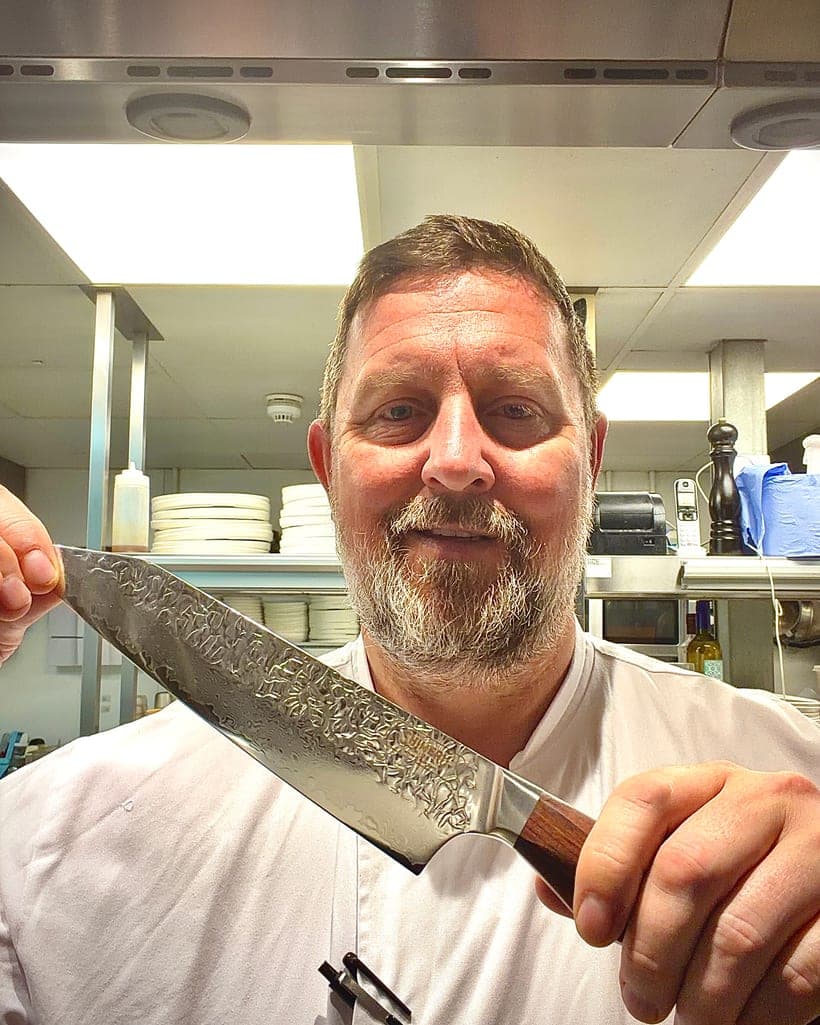
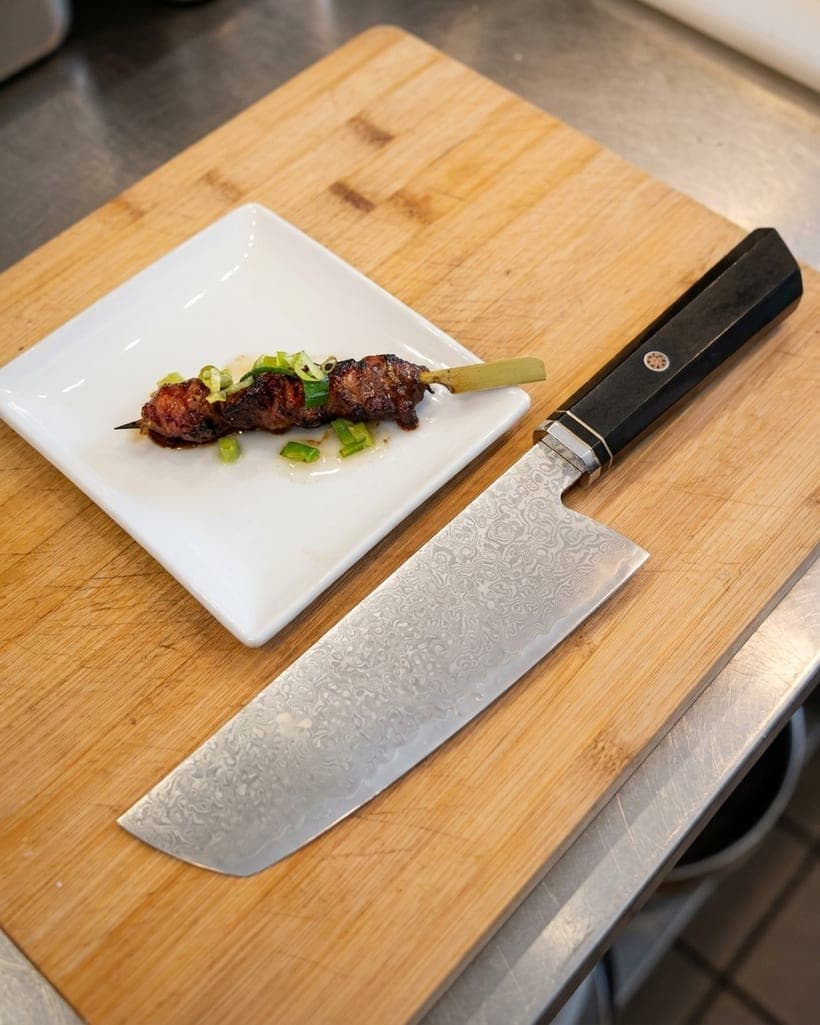
But unlike many historical crafts that become overtaken by industrial production, Japanese knives have held on to their artisanal character. Even today, renowned masters known as “shokunin” can spend years perfecting a particular aspect of knife making. Some specialize in forging steel, folding it and hammering it hundreds of times to create blades with a unique grain. Others dedicate themselves to the delicate art of sharpening, wielding whetstones with an almost meditative focus. The resulting knives do more than cut; they inspire respect for the ingredients, and for the act of cooking itself.
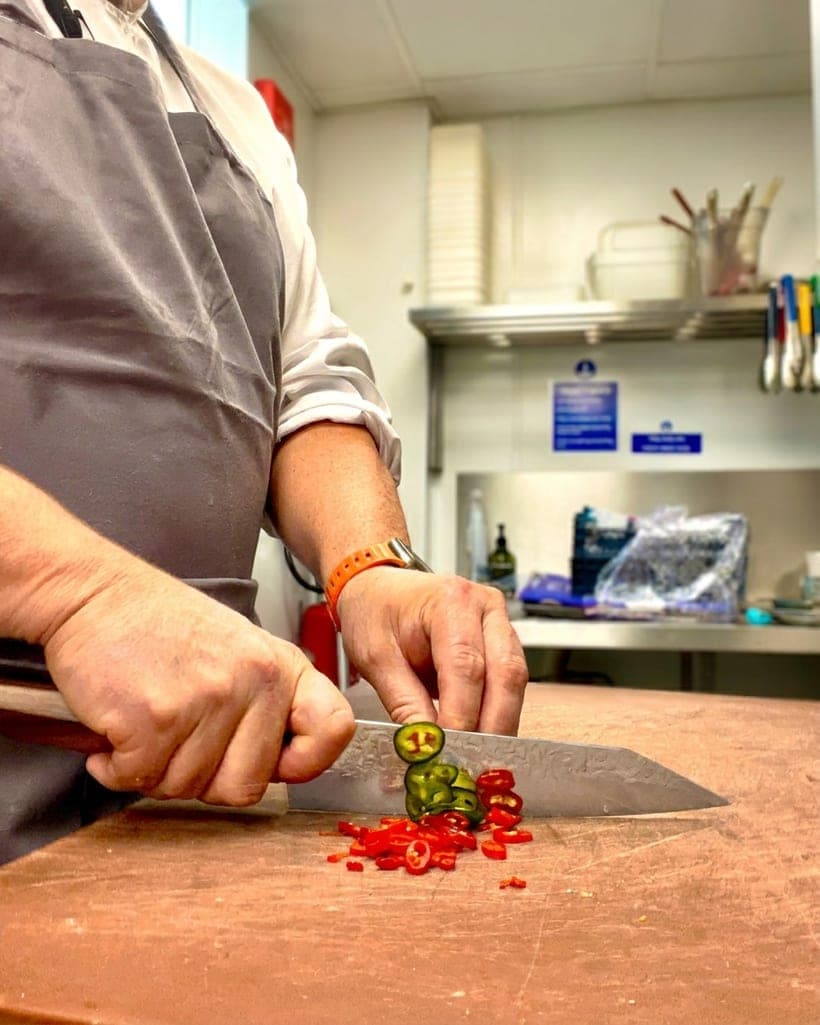
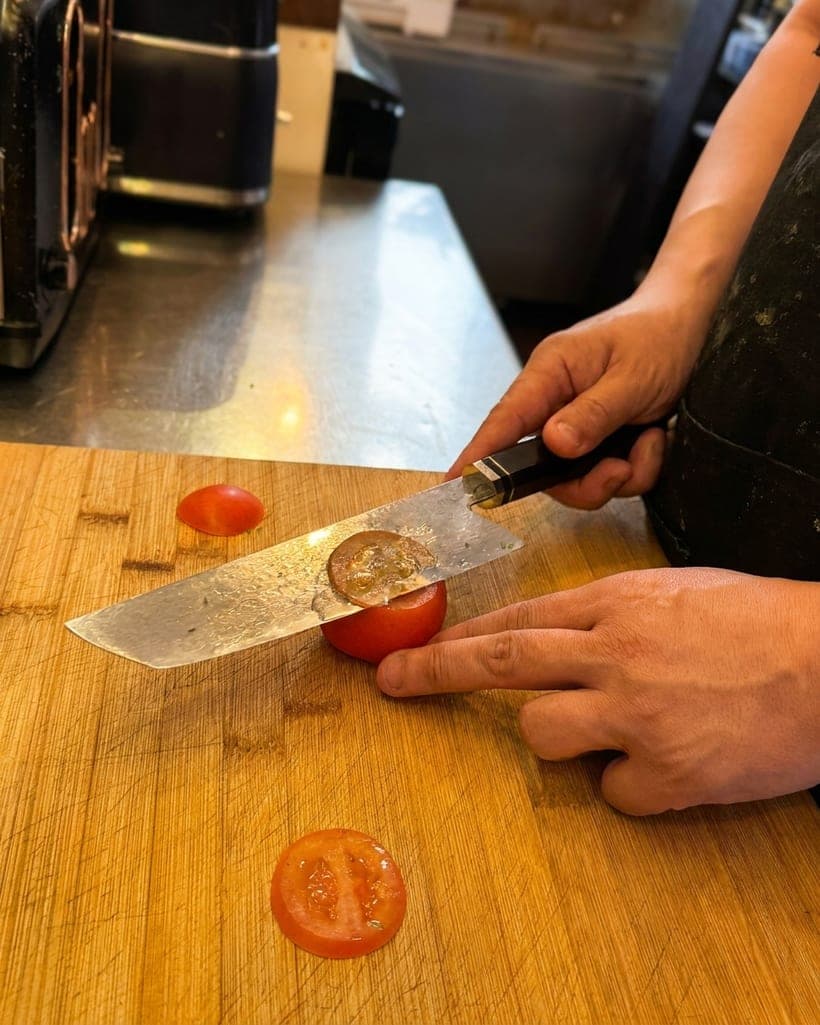
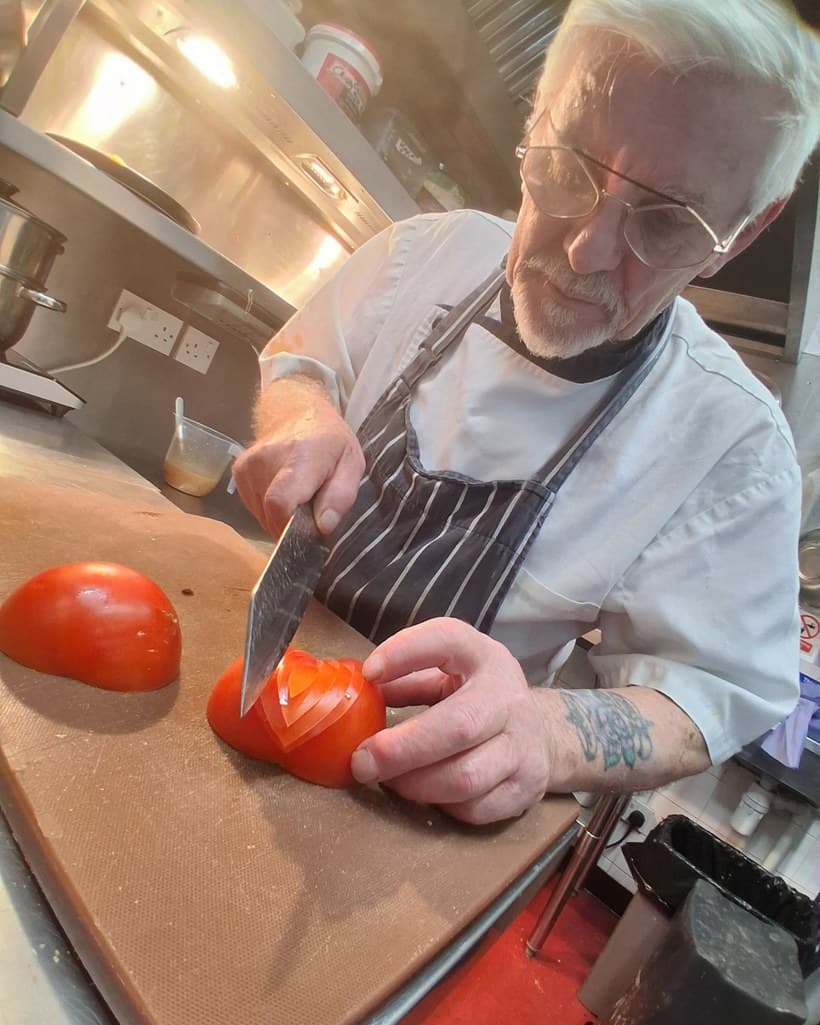
The uniqueness of Japanese knives rests in their precision. Where Western knives are typically designed as generalists—robust, able to hack through bone or chop vegetables with equal indifference—Japanese blades are marked by specialization. The yanagiba, with its long, slender profile, is meant solely for slicing sashimi with minimal damage to the tender flesh. The deba, thick and strong at the spine, is used to fillet fish. The usuba is a favorite for ultra-thin vegetable cuts. Even the all-purpose gyuto, sometimes called the “Japanese chef’s knife,” is crafted for controlled, exact cuts rather than brute force.
This level of specificity extends to the materials and construction. Japanese knives often use high-carbon steel, which can be honed to staggering sharpness, far surpassing most Western stainless steel. This steel, however, is more brittle and vulnerable to rust, requiring attentive care—here discipline becomes an implicit part of ownership. Some makers have blended traditional carbon with modern alloys to increase durability, a nod to international demand, but the ideal remains: a blade that is achingly sharp, light in the hand, and balanced like a dancer.
Globalization has played no small role in expanding the audience for such finely wrought tools. Cooking shows and social media have elevated the knife to near-mythic status, with celebrity chefs and food personalities extolling the wonders of Japanese craftsmanship. But this attention brings complications as well as opportunity. As demand surges—especially from abroad—artisans face mounting pressure to increase production or risk succumbing to cheaper, machine-made imitations. At the same time, an aging population threatens the transmission of skills, as fewer young Japanese are willing to endure years of low-paid apprenticeships for the hope of mastering the craft.
Some knife makers have responded by modernizing certain aspects of their work, integrating laser-cutting or machine-tempering processes to meet volume demands while preserving the final shaping and sharpening by hand. Others have embraced storytelling, leaning into their legacy as family-run operations whose blades evoke not just utility but connection to heritage. This duality, the blending of old and new, is visible in initiatives that pair seasoned masters with global design collaborators, resulting in knives that look as striking in a Brooklyn loft as in a Kyoto ryokan.
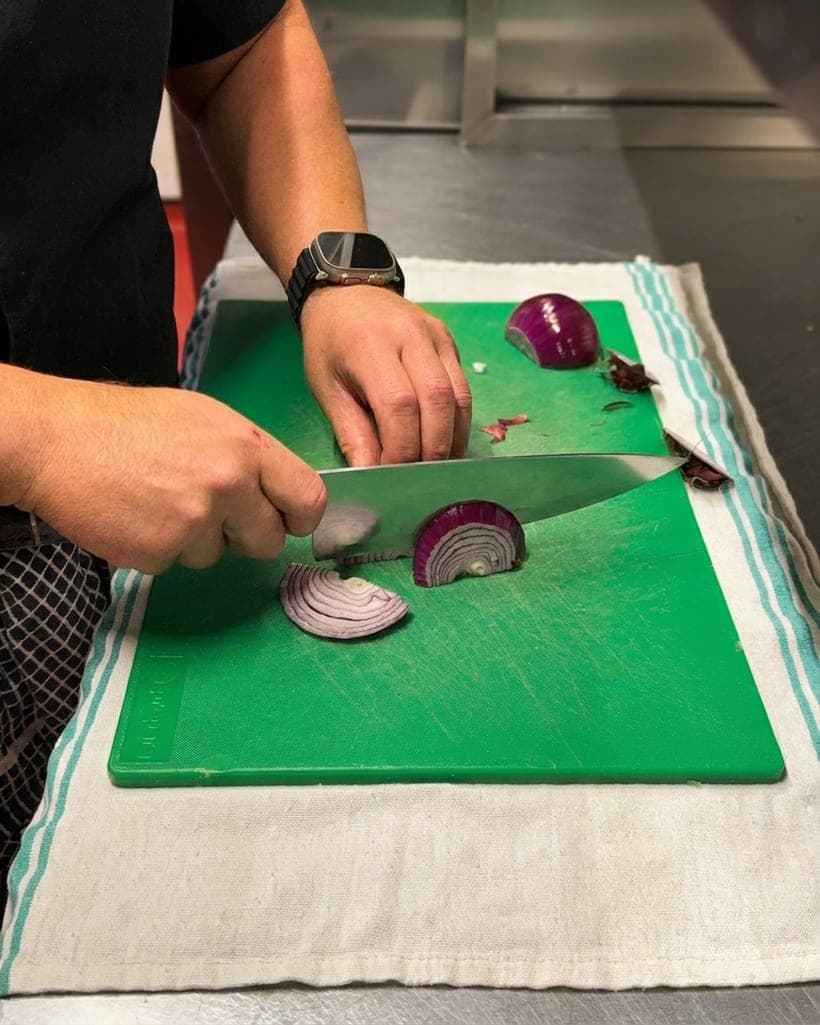
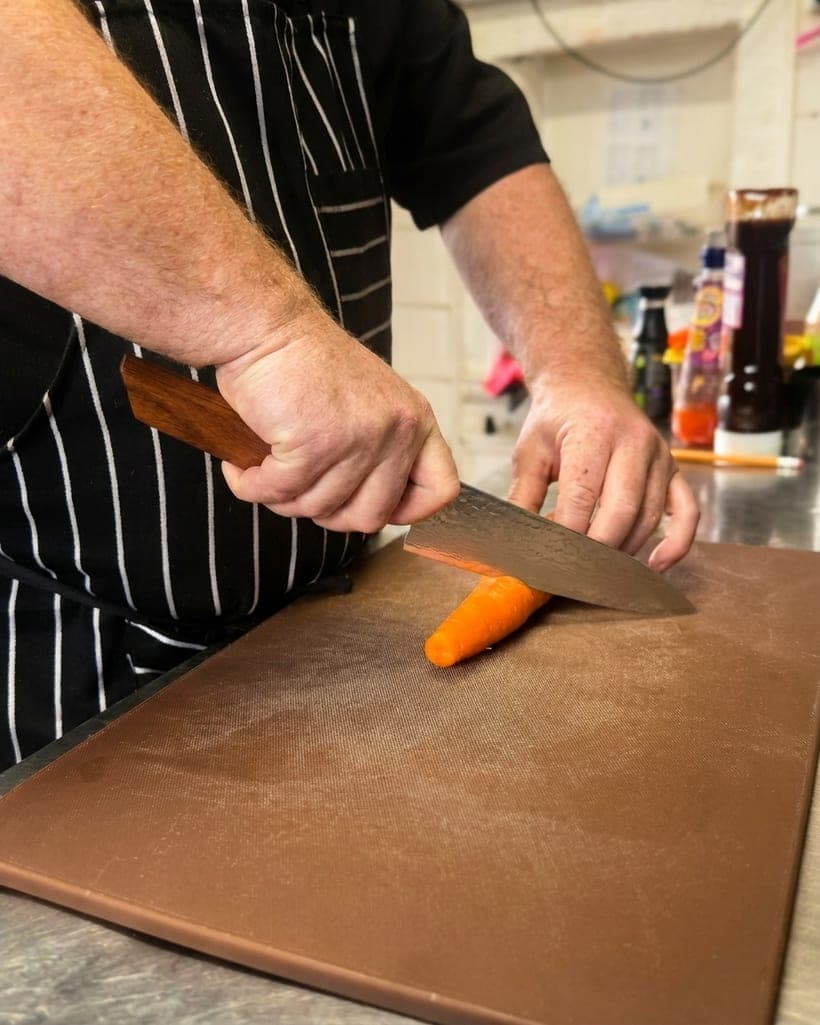
For cooks, amateur and professional alike, the draw of a Japanese knife is about more than aesthetics or even sharpness. It is the sense that every slice is a conversation with history, with the unnamed hands who forged a tool as much for beauty as for necessity. The care they demand—careful washing, hand-drying, periodic sharpening on whetstones—invites a pause, asking the user to slow down and pay attention. In a world where so much is disposable, where speed often trumps consideration, these knives insist on respect. For many, this ritualistic aspect is as appealing as the performance, offering a pocket of mindfulness in the chaos of daily life.
However, the market is not without its pitfalls. The rising popularity of Japanese knives has given rise to a parallel industry of counterfeit blades and “Japanese-style” products made far from Japan’s shores. Some of these mimic the look but lack the performance or longevity of the originals, sowing confusion among buyers. This highlights a central tension: as luxury and rarity increase, so too does the temptation to commoditize. Owners and would-be buyers are wise to learn the differences—not simply in branding, but in the construction methods and the reputation of the makers.
Yet even in the face of these challenges, the Japanese knife endures as a symbol of what can be achieved when quality is put above all else. It is an object that brings together past and present, local and global, utility and beauty. In the hands of a skilled cook, it is an extension of intention; in the hands of an enthusiast, it is a passport to a wider world of flavor and craft. For both, it serves as daily proof that genuine precision is not about making something harder than necessary, but about elevating the act of making itself.
It is perhaps this lesson, above all, that keeps people reaching for these blades—even when cheaper, easier knives clamor for attention. In their precision, Japanese knives remind us that the pursuit of quality is as much about how we approach our work, our materials, and our rituals as it is about the final outcome. They are, quite simply, a cut above.


